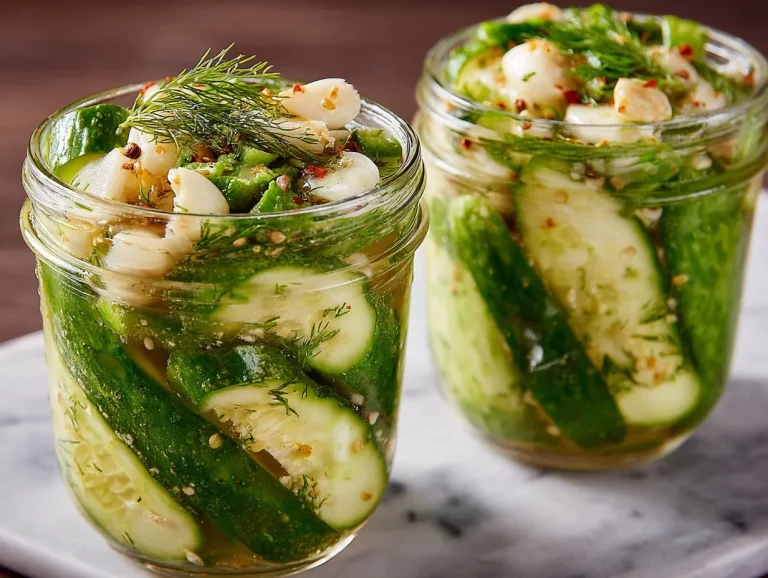
Crunchy Tangy Refrigerator Pickled Vegetables

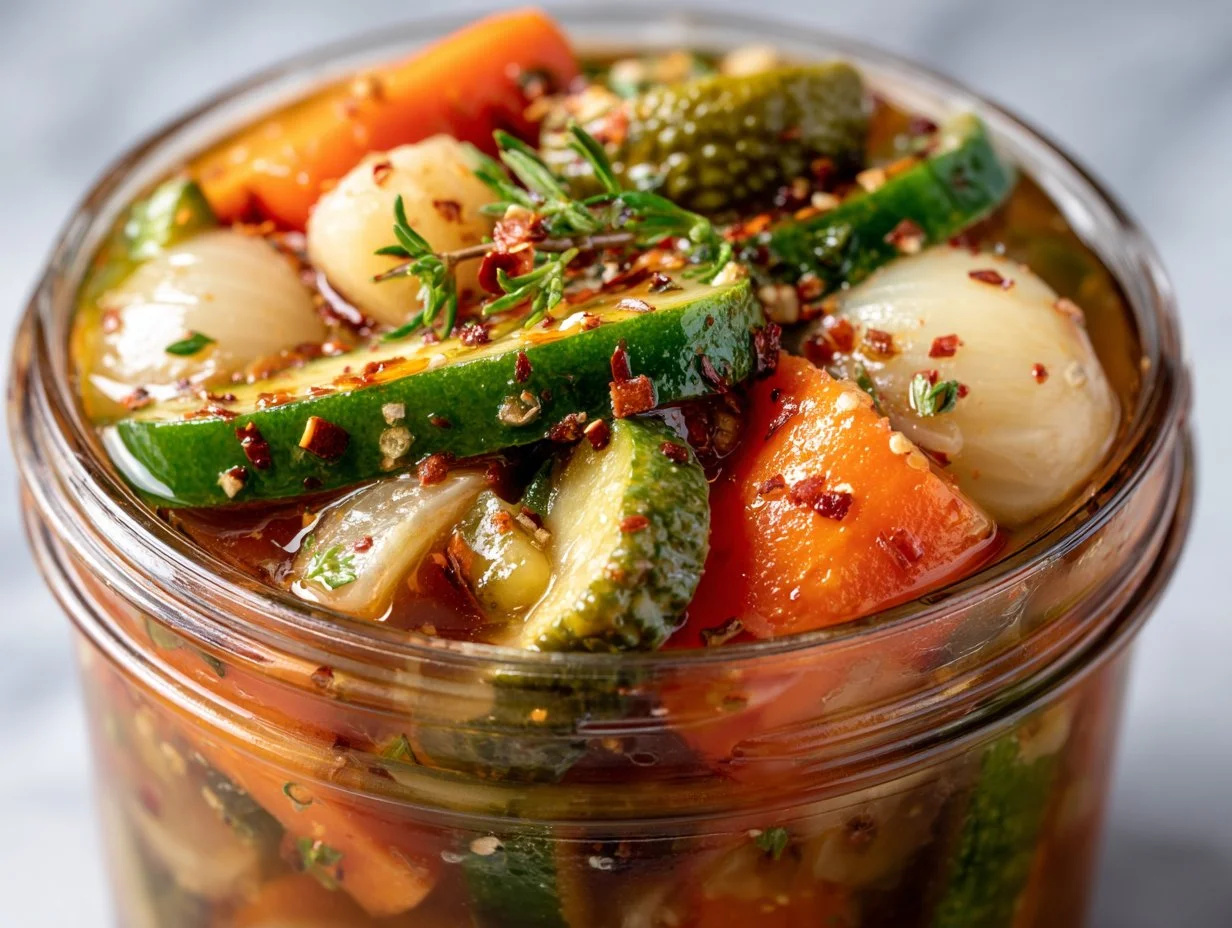
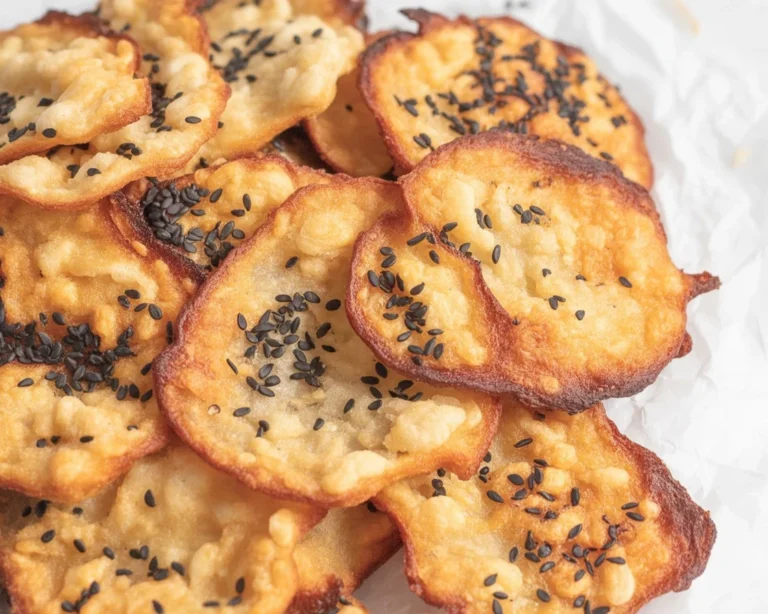
I first made these crunchy, tangy refrigerator pickled vegetables when I wanted a bright, no-fuss condiment to perk up weeknight sandwiches and snack plates. They’re quick to assemble, require no canning skills, and deliver that satisfying snap and vinegar bite that complements everything from grilled cheese to roasted meats. If you like fast pantry upgrades, these are a game-changer — and they pair especially well with crunchy sides like my crunchy cottage cheese chips for a light, balanced snack.
Why you’ll love this dish
This recipe gives you crisp, tangy pickles in a day without boiling jars or waiting weeks. It’s ideal when you want to:
- Brighten a sandwich, taco, or salad.
- Use up a mix of vegetables before they go soft.
- Make a healthy, low-calorie snack that keeps well in the fridge.
You can use inexpensive pantry staples — white or apple cider vinegar, a little sugar and salt, and bold spices — to transform ordinary veggies into a versatile condiment. They’re great for meal-prep, potlucks, and adding acidity to rich dishes.
“I made a jar on a whim and it disappeared in three days — the perfect combo of crisp and tangy.”
How this recipe comes together
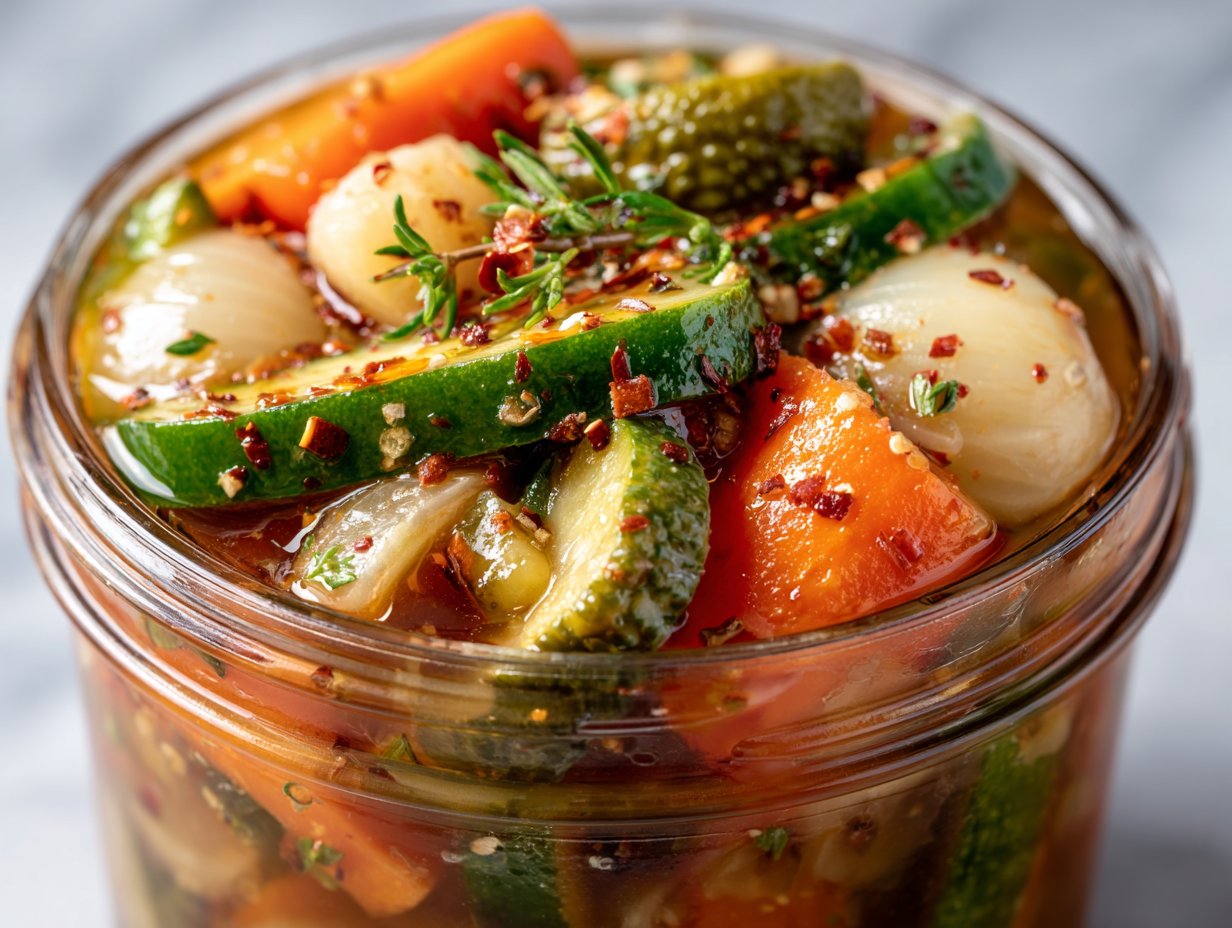
Quick overview so you know what to expect: wash and slice the vegetables; heat a simple brine of water, vinegar, sugar, and salt until dissolved; add whole spices and garlic to the hot brine; pack vegetables into a clean jar, pour the brine over them, cool, then refrigerate. The flavors marry in 24–72 hours and keep for a couple of weeks. No canning bath required — just cold storage.
What you’ll need
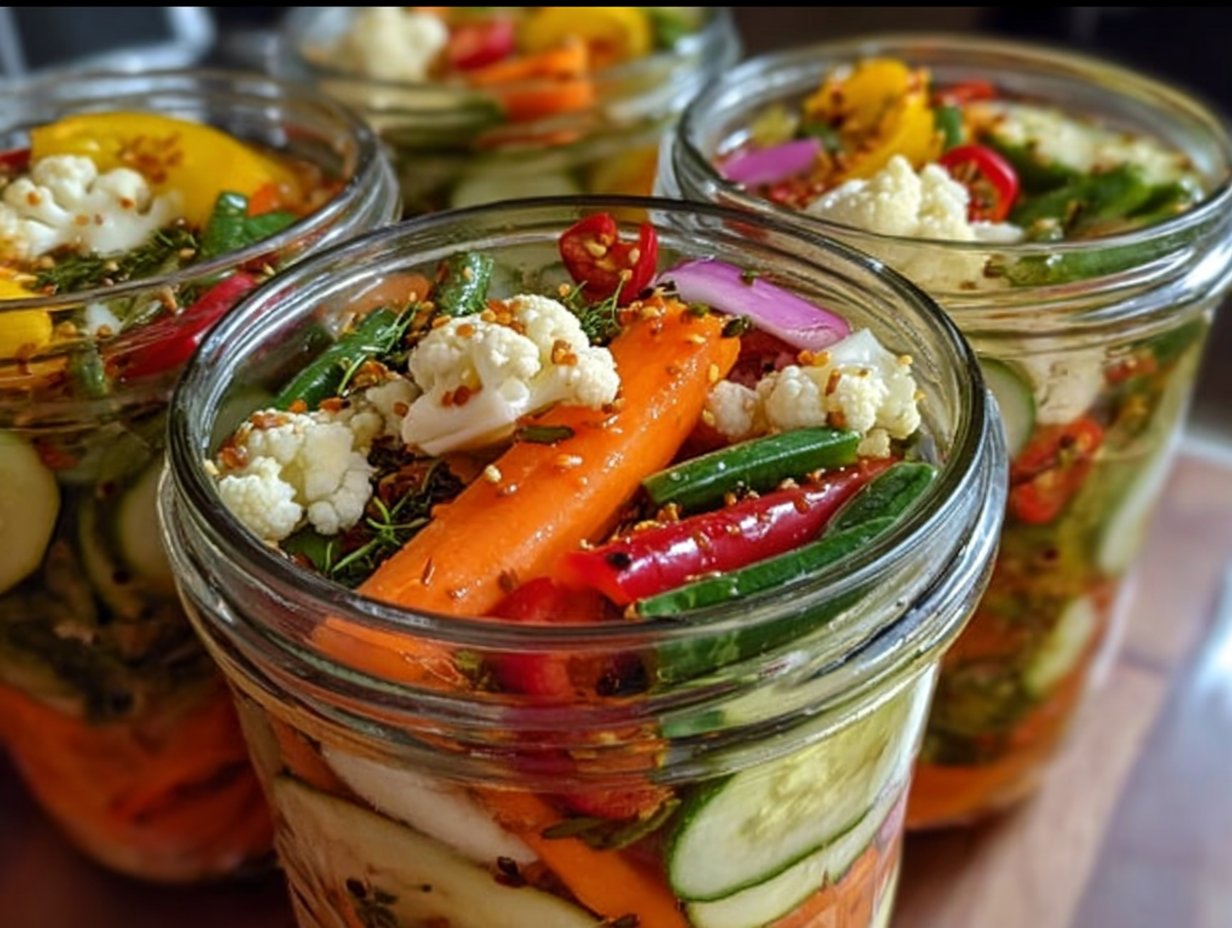
- 2 cups mixed vegetables (carrots, cucumbers, bell peppers, daikon, green beans — cut into sticks or thin slices)
- 1 cup water
- 1 cup vinegar (white or apple cider vinegar)
- 1 tablespoon sugar (adjust to taste or omit)
- 1 tablespoon salt (pickling or kosher salt preferred)
- 1 teaspoon mustard seeds
- 1 teaspoon whole peppercorns
- 1 teaspoon red pepper flakes (optional, for heat)
- 2 cloves garlic, smashed
- Fresh herbs like dill or thyme (optional, for aroma)
Notes/substitutions:
- Swap apple cider vinegar for white for a milder, fruitier note. Use rice vinegar for a sweeter, subtler tang.
- If you want crisper pickles, add a small piece of crushed ice to the jar before pouring the brine, or use a commercial crisping agent like Pickle Crisp (calcium chloride).
- Reduce sugar or use honey/maple for a different sweetness profile.
Step-by-step instructions
- Wash and cut the vegetables into uniform slices or sticks so they pickle evenly.
- In a small saucepan, combine the water, vinegar, sugar, and salt. Bring to a simmer and stir until the sugar and salt dissolve. Remove from heat.
- Add mustard seeds, peppercorns, red pepper flakes, and smashed garlic to the hot brine. Let the spices steep for a minute.
- Pack the vegetables tightly into a clean, heatproof jar, leaving about 1/2 inch headspace. Tuck in fresh herbs if using.
- Pour the hot brine over the vegetables, ensuring they’re fully submerged. Tap the jar gently to release trapped air bubbles.
- Let the jar cool to room temperature on the counter (about 30–60 minutes). Then seal with a lid and move to the refrigerator.
- Wait at least 24 hours before tasting. They’re best after 2–3 days when flavors meld. Consume within 2–3 weeks for peak crunch and safety.
Best ways to enjoy it
These pickles are versatile. Try them with:
- Sandwiches and burgers for a bright crunch.
- Charcuterie boards and cheese plates — they cut the richness of cheese and pâté.
- Grain bowls, tacos, or as a zesty topping for roasted meats.
- Chopped into salads or tossed with avocado for a tangy twist.
For a quick snack combo, serve with crunchy elements like my crunchy Thai chickpea salad to add texture and acidity.
Storage and reheating tips
- Store pickles in a sealed jar in the refrigerator. They keep well for about 2–3 weeks.
- No reheating is necessary — serve cold or at room temperature.
- If the brine becomes cloudy or you notice off smells, discard. These are refrigerator pickles, not shelf-stable canned goods, so keep them refrigerated at all times.
- To refresh slightly softened veggies, transfer them to a fresh brine (same ratio) and chill — this can restore some snap.
Pro chef tips
- Cut vegetables uniformly. Even thickness = even pickle and consistent crunch.
- Use whole seeds (mustard, peppercorns) for bursts of flavor and visual appeal. Ground spices cloud brines.
- Pack firmly but don’t crush. Close contact with brine ensures rapid flavor exchange.
- If you want extra crispness, briefly blanch carrots or green beans in boiling water for 30 seconds, then plunge into ice water before packing.
- Label jars with date made. Use within 2–3 weeks for best quality and safety. Also see how these pair with eggs like in my easy breakfast omelette — a spoonful brightens eggs beautifully.
Creative twists
- Spicy-sweet: add a tablespoon of honey and extra red pepper flakes.
- Asian-inspired: swap mustard seeds for a star anise and add a splash of soy sauce.
- Beet-pickled: include thin beet slices for vivid color and earthy sweetness.
- Fermented-style: for tangier, probiotic pickles, omit boiling the brine and submerge vegetables in salted water to ferment at room temperature for a few days (requires more careful monitoring).
- Vinegar-free quick pickle: use lemon juice diluted with water (not as shelf-stable; keep refrigerated and use quickly).
Your questions answered
Q: How soon can I eat these?
A: You can taste them after 24 hours, but they’re more flavorful after 48–72 hours.
Q: Do I need to sterilize the jar?
A: For refrigerator pickles, wash jars and lids in hot, soapy water and rinse well. You can briefly pour boiling water into the jar to warm/sterilize it, but a full water-bath canning process isn’t necessary because these are kept refrigerated.
Q: How long will they last in the fridge?
A: Best quality is 2–3 weeks. Discard if you detect off smells, mold, or unusual cloudiness.
Q: Can I use other spices?
A: Yes — coriander seeds, dill seeds, fennel, or sliced ginger all work. Keep whole spices for clarity in the brine.
Q: Are these safe for people on low-sodium diets?
A: You can reduce the salt, but salt aids flavor and texture. If reducing salt, taste and shorten recommended storage time; consult a dietitian for strict sodium-controlled plans.
Conclusion
Ready to make a jar? These quick refrigerator pickled vegetables are an easy way to add brightness to meals and use up surplus produce. For another take on quick pickles and extra flavor ideas, check out this full recipe for Crunchy Tangy Refrigerator Pickled Vegetables and compare variations with this guide to Quick Pickled Vegetables – My Quiet Kitchen.
- Crunchy Tangy Refrigerator Pickled Vegetables: Crunchy Tangy Refrigerator Pickled Vegetables
- Quick Pickled Vegetables – My Quiet Kitchen: Quick Pickled Vegetables – My Quiet Kitchen
Crunchy Tangy Refrigerator Pickled Vegetables
Ingredients
Vegetables
- 2 cups mixed vegetables (carrots, cucumbers, bell peppers, daikon, green beans — cut into sticks or thin slices) Use a mix of your favorite vegetables.
Brine
- 1 cup water
- 1 cup vinegar (white or apple cider vinegar) Apple cider vinegar gives a milder, fruitier note.
- 1 tablespoon sugar Adjust to taste or omit.
- 1 tablespoon salt (pickling or kosher salt preferred)
- 1 teaspoon mustard seeds
- 1 teaspoon whole peppercorns
- 1 teaspoon red pepper flakes (optional, for heat)
- 2 cloves garlic (smashed)
- Fresh herbs (optional, for aroma) Like dill or thyme.
Instructions
Preparation
- Wash and cut the vegetables into uniform slices or sticks so they pickle evenly.
- In a small saucepan, combine the water, vinegar, sugar, and salt. Bring to a simmer and stir until the sugar and salt dissolve. Remove from heat.
- Add mustard seeds, peppercorns, red pepper flakes, and smashed garlic to the hot brine. Let the spices steep for a minute.
- Pack the vegetables tightly into a clean, heatproof jar, leaving about 1/2 inch headspace. Tuck in fresh herbs if using.
- Pour the hot brine over the vegetables, ensuring they’re fully submerged. Tap the jar gently to release trapped air bubbles.
- Let the jar cool to room temperature on the counter (about 30–60 minutes). Then seal with a lid and move to the refrigerator.
- Wait at least 24 hours before tasting. They’re best after 2–3 days when flavors meld.