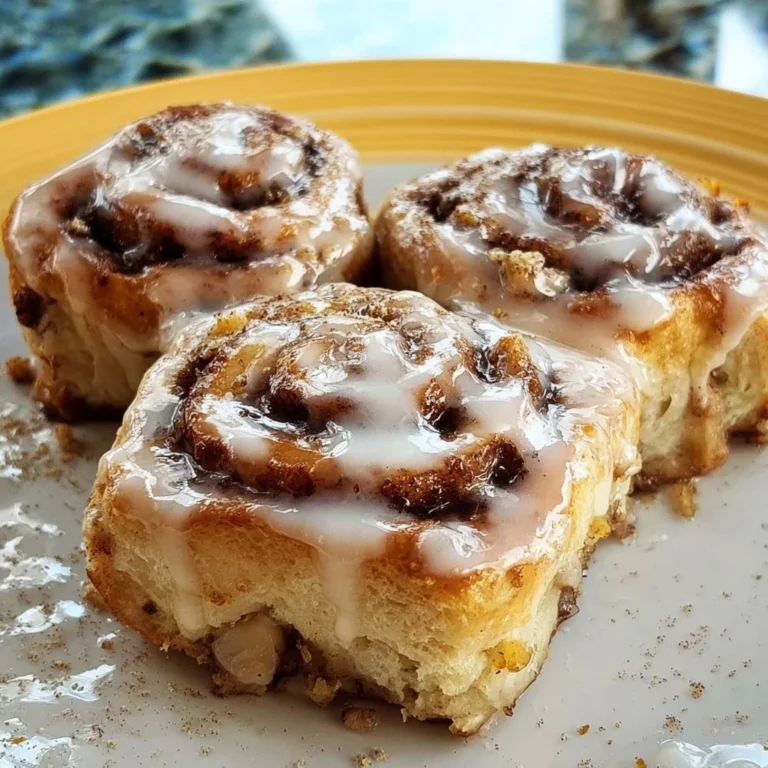
Cinnamon Rolls

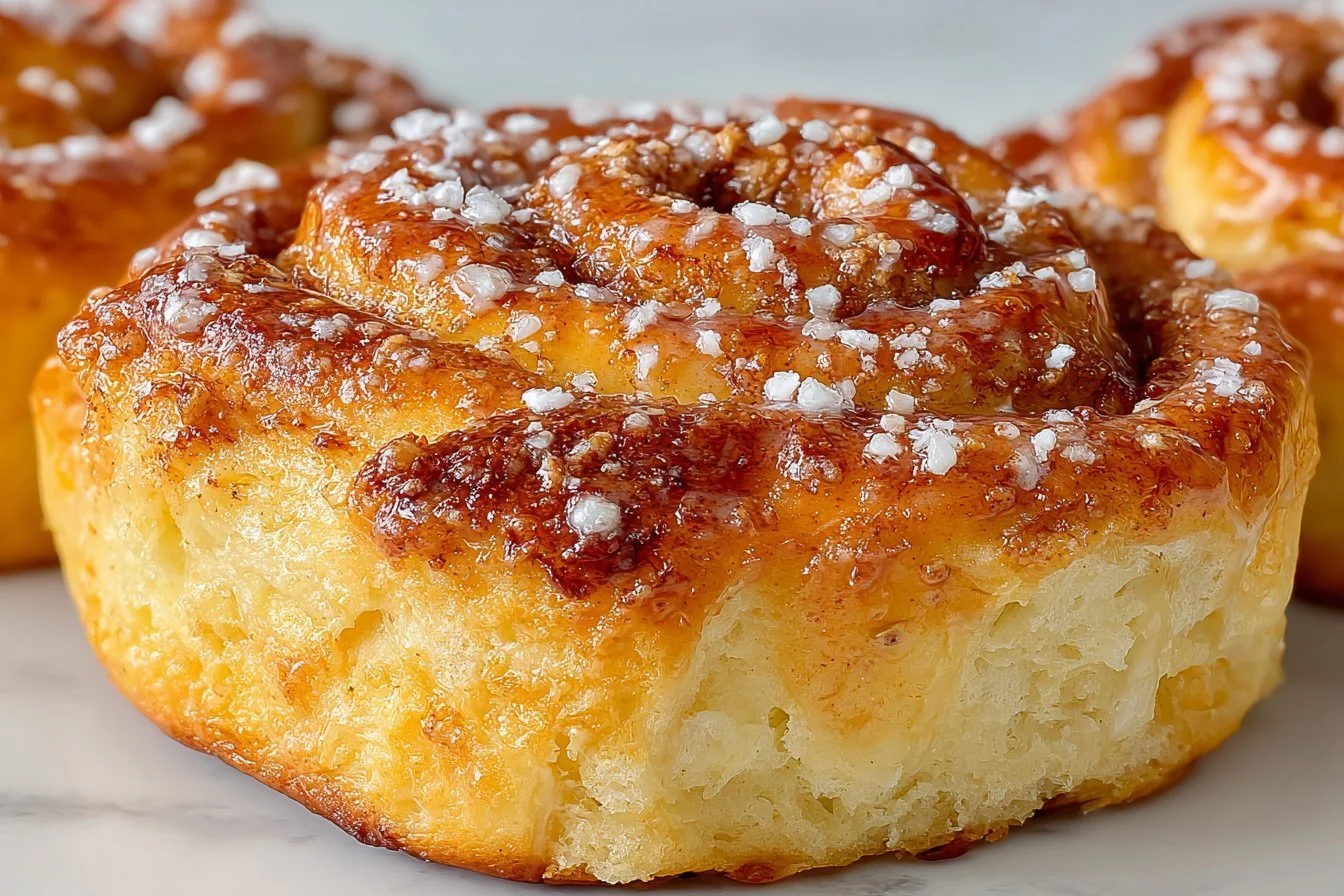
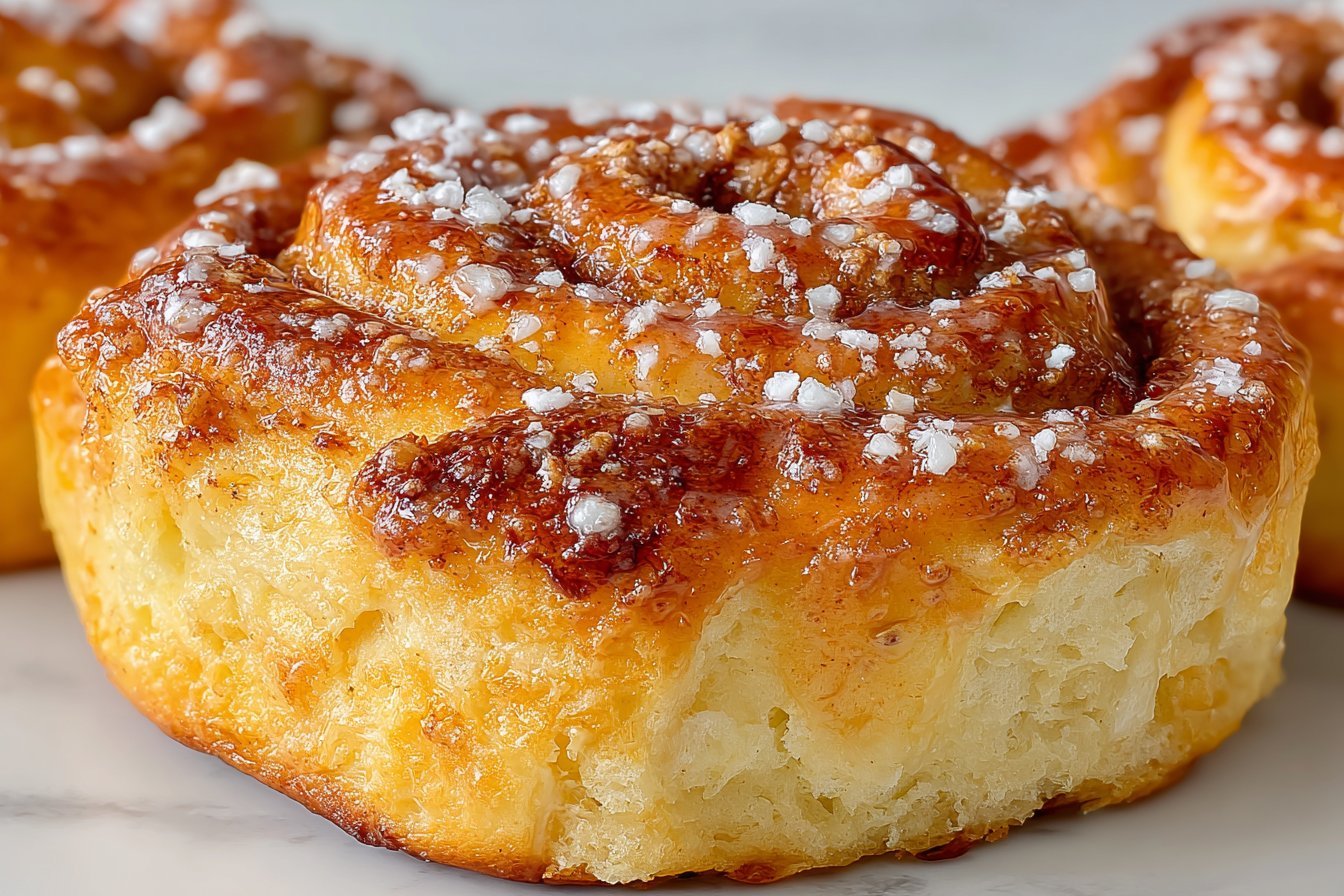
I grew up watching my grandmother roll dough at the kitchen table, and these cinnamon rolls are the kind of recipe that brings that warm, cozy memory back—thick, tender spirals of dough, a gooey brown-sugar center, and a glossy vanilla glaze. This version is straightforward enough for a weekend brunch, but impressive enough to serve guests or tuck into a holiday spread. If you want to make true homemade cinnamon rolls without complicated techniques, this recipe is built to deliver consistent, bakery-style results at home.
What makes this recipe special
This recipe strikes a balance between approachable and authentic. You get:
- A tender, enriched dough thanks to eggs and butter.
- A classic brown-sugar + cinnamon filling that caramelizes as the rolls bake.
- A simple powdered-sugar glaze that melts into the warm spirals for a glossy finish.
Why make these instead of store-bought? Freshly made rolls are softer, more aromatic, and let you control sweetness and mix-ins. They’re perfect for a slow weekend breakfast, holiday mornings, or anytime you want a comforting homemade treat.
“These rolls smelled like Sunday mornings—soft, buttery, and perfectly spiced. The glaze melted into every crease.” — A satisfied home baker
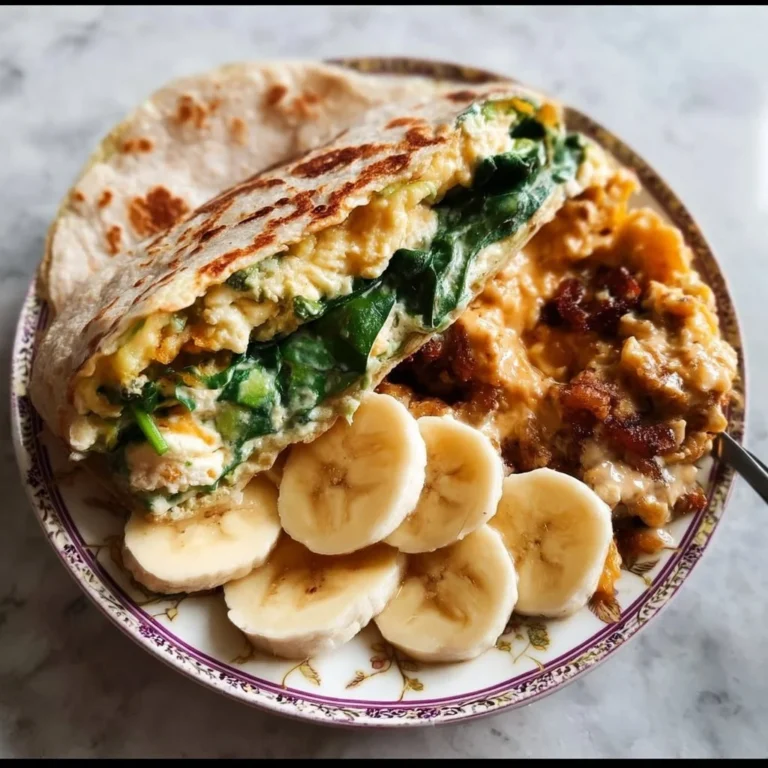
I also like pairing these with other cinnamon-roll experiments like my take on banana cinnamon rolls (banana-cinnamon rolls) for themed brunches.
The cooking process explained
Step-by-step overview so you know what to expect before you start:
- Bloom yeast in warm milk and sugar to activate it.
- Mix in melted butter, eggs, and salt to form a wet base.
- Add flour, then knead to build gluten and structure.
- Let the dough rise until doubled (first rise).
- Roll the dough into a rectangle and add the butter + brown sugar–cinnamon filling.
- Roll into a log, cut into 12 rolls, and let rise again until puffy (second rise).
- Bake until golden and finish with a simple powdered-sugar glaze.
This sets expectations for about 2–2½ hours total (most of that is hands-off rising), with ~35–45 minutes active time.
Key ingredients
- 4 cups all-purpose flour
- 1/2 cup granulated sugar (divided — 1/2 cup used for yeast bloom)
- 1 packet (2 1/4 tsp) active dry yeast
- 1/2 cup milk, warmed to about 110–115°F (43–46°C)
- 1/4 cup unsalted butter, melted
- 2 large eggs
- 1 teaspoon salt
- 1/2 cup brown sugar (for filling)
- 2 tablespoons ground cinnamon
- 1/4 cup unsalted butter, softened (for spreading)
- 1 cup powdered sugar (for glaze)
- 2 tablespoons milk (for glaze; adjust for consistency)
- 1 teaspoon vanilla extract
Notes and substitutions:
- Milk: Whole milk gives the best richness; use 2% if needed. For dairy-free, substitute with warm almond or oat milk and swap butter for a vegan spread (results differ slightly).
- Yeast: Active dry yeast works here; if using instant yeast, add it directly to the flour and reduce proof time slightly.
- Brown sugar: Light or dark brown both work—the darker version gives a molasses note.
- Want a flavor twist? Add a pinch of cardamom or nutmeg to the filling.
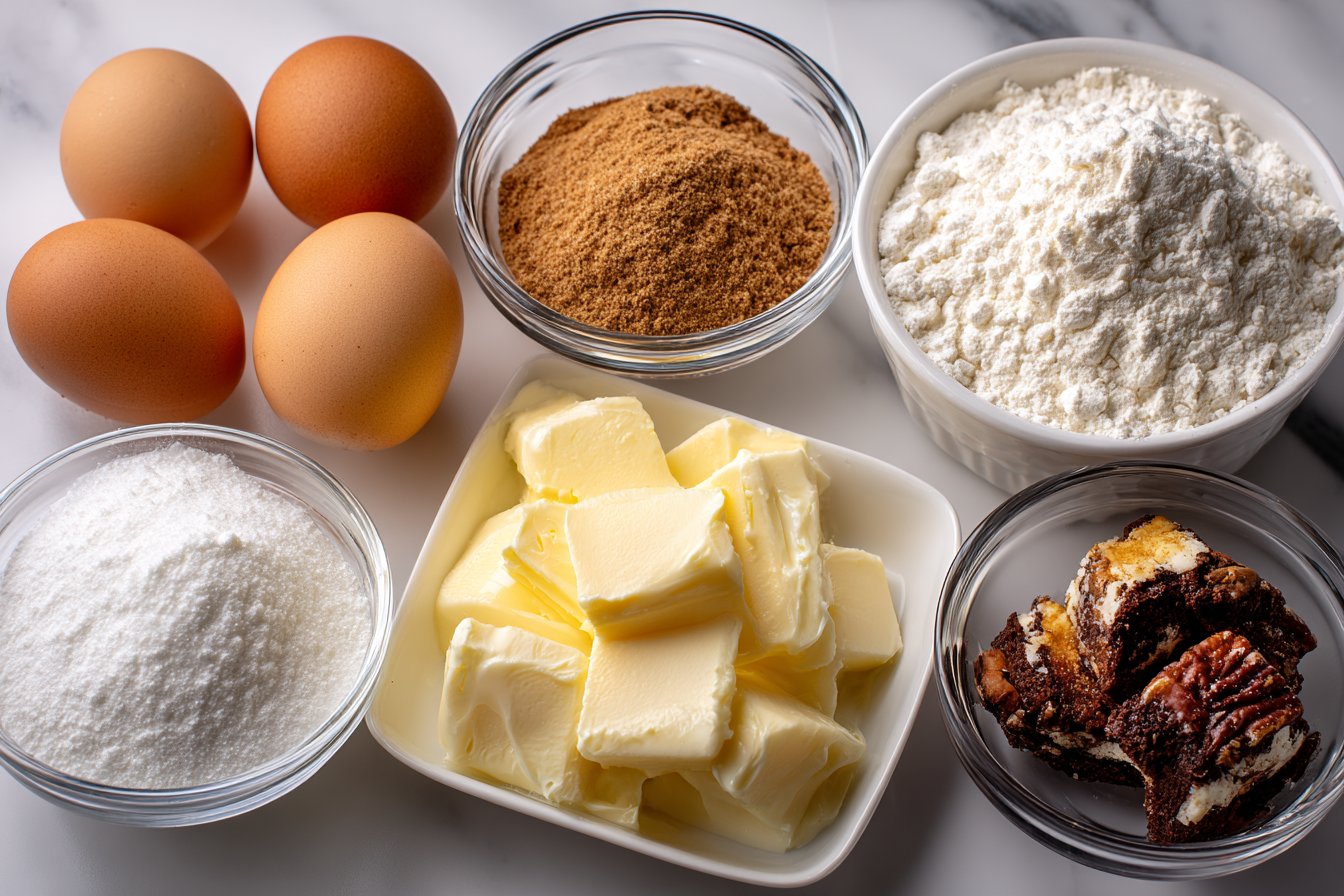
Step-by-step instructions
- Bloom the yeast: In a large bowl, combine warm milk (110–115°F), 1/2 cup granulated sugar, and the yeast. Stir once and let sit 5 minutes until foamy. If it doesn’t foam, the yeast may be dead—start over with fresh yeast.
- Combine wet ingredients: Whisk the melted butter, eggs, and salt into the foamy yeast mixture until uniform.
- Add flour: Gradually add the 4 cups of flour. Mix until a shaggy dough forms and no large dry pockets remain.
- Knead: Turn the dough onto a lightly floured surface. Knead 5–10 minutes until the dough is smooth, slightly tacky, and elastic. Alternatively, use a stand mixer with a dough hook on medium speed for 5–7 minutes.
- First rise: Lightly grease a bowl and place the dough inside. Cover with plastic wrap or a damp towel and let rise in a warm spot until doubled, about 1 hour.
- Roll out: Punch down the dough gently to release gas. On a floured surface, roll it into a 12 x 16-inch rectangle.
- Add filling: Spread the 1/4 cup softened butter over the rectangle. Mix the 1/2 cup brown sugar with 2 tablespoons cinnamon and sprinkle evenly. Press the sugar mixture gently into the butter so it sticks.
- Shape: Starting at the long edge, roll the dough tightly into a log. Pinch the seam to seal. Use a sharp knife or unflavored dental floss to cut into 12 equal rolls.
- Second rise: Arrange the rolls in a greased 9×13-inch baking dish. Cover and let rise for 25–30 minutes until puffy.
- Bake: Preheat oven to 375°F (190°C). Bake the rolls 20–25 minutes, until golden brown on top and cooked through. If the top browns too quickly, tent with foil.
- Make glaze: While the rolls are warm, whisk 1 cup powdered sugar, 2 tablespoons milk (add more if needed), and 1 teaspoon vanilla until smooth.
- Finish: Drizzle the glaze over warm rolls and serve.
Best ways to enjoy it
- Serve warm straight from the oven with coffee, chai, or hot chocolate. The glaze will sink into the crevices, making every bite gooey.
- Brunch idea: Plate a roll with Greek yogurt and fresh berries for contrast.
- For a party: Cut miniature portions or serve alongside savory dishes to balance sweetness.
- For a grab-and-go morning, wrap an individual roll in parchment and reheat for 20–30 seconds in the microwave.
Storage and reheating tips
- At room temperature: Cover rolls tightly with plastic wrap or a lid and store up to 2 days.
- Refrigerate: Place in an airtight container for up to 5 days. Reheat single rolls in the microwave for 20–30 seconds until warm.
- Freeze: Flash-freeze cooled, unglazed rolls on a sheet pan, then transfer to a freezer bag for up to 3 months. Thaw overnight in the fridge. Warm in a 350°F (175°C) oven for 10–12 minutes to refresh.
- Food safety: Don’t leave dairy-containing baked goods at room temperature for more than 2 hours when ambient temps exceed 90°F (32°C).
Helpful cooking tips
- Milk temperature matters: 110–115°F is warm enough to wake the yeast but not so hot it kills it. Use an instant-read thermometer if you’re unsure.
- Butter temperature: Melted butter goes into the dough; softened butter spreads for the filling. If the softened butter is too hard, it won’t spread; if too soft it will melt into the dough.
- Even slices: Use floss or a sharp serrated knife and a gentle sawing motion to get clean spirals.
- Control sweetness: Reduce glaze or use less brown sugar if you prefer less sweet rolls.
- Avoid overproofing: If rolls rise too long before baking, they can collapse in the oven. Look for puffy, slightly domed rolls—not huge and airy.
Creative twists
- Nutty: Add chopped pecans or walnuts to the filling for crunch.
- Sticky bun style: After rolling, pour a caramel-sugar layer with pecans into the baking pan before placing rolls on top.
- Apple-cinnamon: Sprinkle finely diced apples across the filling for a fruit-forward roll.
- Cardamom or orange: Mix a pinch of cardamom into the filling or add orange zest to the glaze for a bright note.
- Dietary swaps: Use a dairy-free butter and non-dairy milk to make them vegan-ish; texture will be slightly different.
For sweeter seasonal ideas, try pairing techniques from other recipes like these peach-inspired rolls (peach-pie cinnamon rolls) for a brunch mash-up.
Your questions answered
Q: Can I make the dough the night before?
A: Yes. After kneading, place the covered dough in the fridge overnight. In the morning, roll, fill, cut, and allow the second rise at room temperature before baking. Cold fermentation can deepen flavor.
Q: What if my dough is dense or doesn’t rise?
A: Check yeast freshness and milk temperature. If the yeast didn’t foam in the initial bloom, start again with new yeast. Also, knead until elastic; under-kneaded dough can be dense.
Q: Can I skip the second rise?
A: You can, but the texture will be tighter and less airy. For faster results, let the rolls rest 10–15 minutes while the oven preheats; they’ll still bake but with a slightly denser crumb.
Q: How do I prevent soggy bottoms?
A: Use a greased metal pan and avoid over-saturating the bottom with filling. Baking at 375°F ensures the bottoms crisp up properly.
Q: Can I double the recipe?
A: Yes. Use two pans and stagger baking times so each tray gets even oven heat.
Conclusion
If you want more inspiration for cinnamon-roll methods and variations, two helpful resources to read next are The Best Cinnamon Rolls You’ll Ever Eat for a rich, indulgent take and Easy Cinnamon Rolls (Only 1 Rise) – Sally’s Baking if you’re curious about a simplified one-rise approach. Both offer useful technique tips that complement this recipe.
Cinnamon Rolls

Ingredients
For the dough
- 4 cups all-purpose flour
- 1/2 cup granulated sugar (divided) 1/2 cup used for yeast bloom
- 1 packet active dry yeast 2 1/4 tsp
- 1/2 cup milk, warmed to about 110–115°F (43–46°C)
- 1/4 cup unsalted butter, melted
- 2 large eggs
- 1 teaspoon salt
For the filling
- 1/2 cup brown sugar (light or dark both work)
- 2 tablespoons ground cinnamon
- 1/4 cup unsalted butter, softened (for spreading)
For the glaze
- 1 cup powdered sugar
- 2 tablespoons milk (adjust for consistency)
- 1 teaspoon vanilla extract
Instructions
Dough Preparation
- In a large bowl, combine warm milk (110–115°F), 1/2 cup granulated sugar, and the yeast. Stir once and let sit 5 minutes until foamy.
- Whisk the melted butter, eggs, and salt into the foamy yeast mixture until uniform.
- Gradually add the 4 cups of flour. Mix until a shaggy dough forms and no large dry pockets remain.
- Turn the dough onto a lightly floured surface. Knead 5–10 minutes until the dough is smooth, slightly tacky, and elastic.
- Lightly grease a bowl and place the dough inside. Cover with plastic wrap or a damp towel and let rise in a warm spot until doubled, about 1 hour.
Filling & Shaping
- Punch down the dough gently to release gas. On a floured surface, roll it into a 12 x 16-inch rectangle.
- Spread the 1/4 cup softened butter over the rectangle. Mix the 1/2 cup brown sugar with 2 tablespoons cinnamon and sprinkle evenly.
- Roll the dough tightly into a log starting from the long edge. Pinch the seam to seal. Cut into 12 equal rolls.
- Arrange the rolls in a greased 9 x 13-inch baking dish. Cover and let rise for 25–30 minutes until puffy.
Baking & Glazing
- Preheat oven to 375°F. Bake the rolls for 20–25 minutes, until golden brown on top.
- While the rolls are warm, whisk 1 cup powdered sugar, 2 tablespoons milk, and 1 teaspoon vanilla until smooth.
- Drizzle the glaze over warm rolls and serve.