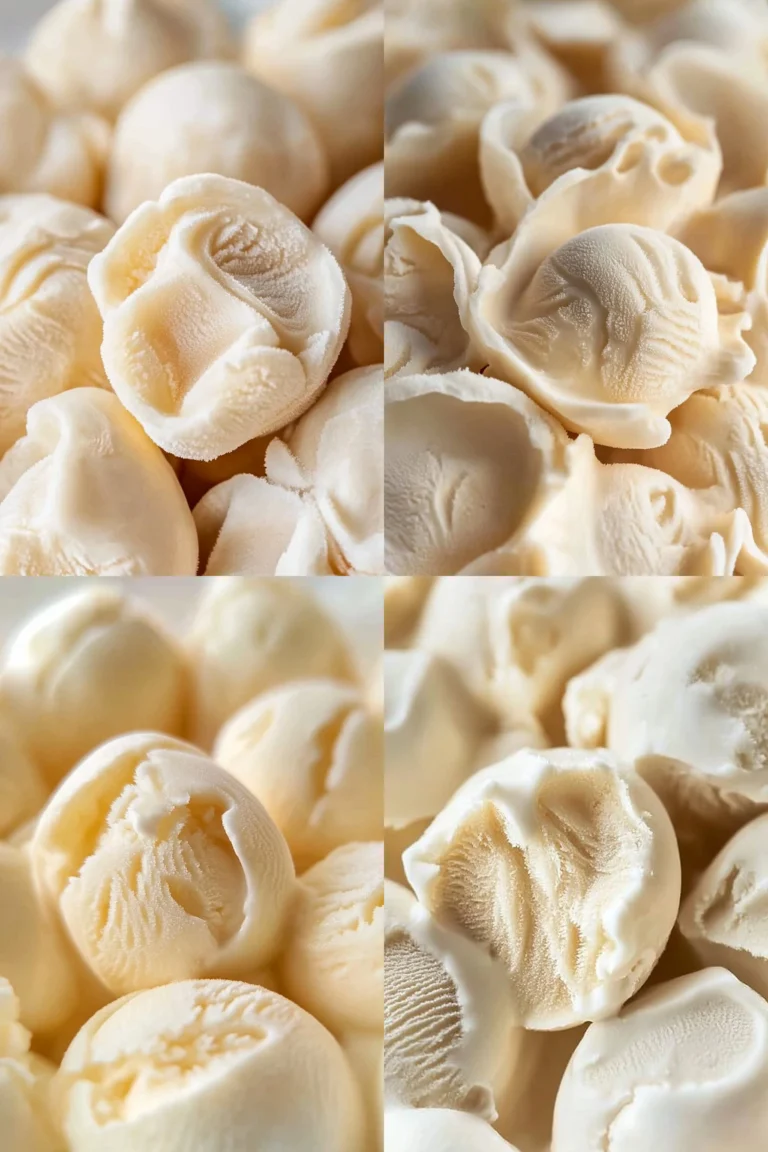
Homemade Gluten-Free Lasagna Noodles

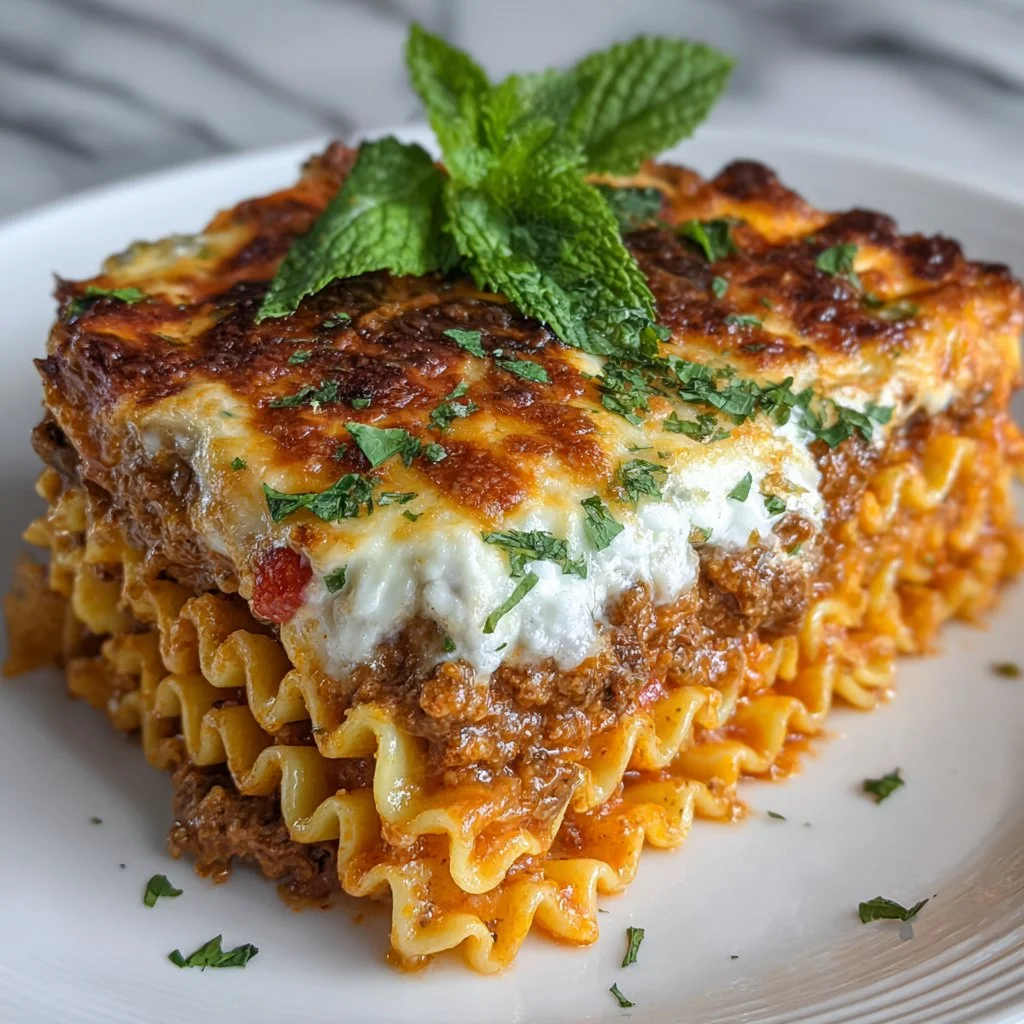
I’ve made these homemade gluten-free lasagna noodles more times than I can count — they roll thin, bake without odd textures, and actually taste like real pasta. This recipe uses a simple gluten-free 1:1 flour blend, whole eggs, extra yolks for richness, and a little water to reach the right dough consistency. It’s perfect when you want lasagna that layers neatly without the crumbly, gummy surprise that sometimes happens with boxed gluten-free sheets. For tips on assembling an outstanding pan, see my notes on the best homemade lasagna.
What makes this recipe special
Why you’ll love making your own gluten-free sheets
Making lasagna noodles from scratch when you’re gluten-free solves the two biggest problems: texture and control. Store-bought gluten-free sheets often vary in thickness and can break or become gluey under sauce. Rolling your own lets you:
- Control thickness so noodles hold up under bechamel and tomato sauce.
- Use familiar ingredients (eggs and a trusted 1:1 flour blend) for predictable results.
- Customize size to fit any baking dish.
It’s also a good activity for weekend cooking: kids can help dust the board while you run the sheets through the roller. If you want a quick complementary side for the meal, try pairing with my speedy 20-minute homemade bread for a crowd-pleasing combo.
“Finally — lasagna that layers cleanly and bakes with a tender bite. These homemade GF sheets were the missing piece.” — home cook review
How this recipe comes together
Step-by-step overview
This recipe is straightforward if you break it into three parts:
- Mix the dough in a food processor until it holds together but isn’t sticky.
- Rest briefly, then divide and feed the dough through a pasta roller in thin passes.
- Trim and either parboil briefly (optional) or dry the sheets before assembling your lasagna.
Expect 20–30 minutes of active time plus short rests. Knowing the sequence helps you set up the roller and sauce so everything comes together smoothly.
What you’ll need
Ingredient list and quick notes
- 300 grams (2 ¼ cups) gluten-free 1:1 flour blend (choose one with xanthan gum included for structure)
- ½ teaspoon table salt
- 2 large whole eggs
- 3 large egg yolks
- Water, added so total liquid weighs 185 grams (¾ cup) including the eggs
Notes and substitutions:
- If your 1:1 blend lacks xanthan gum, add 1/4 teaspoon xanthan gum to improve elasticity.
- For dairy-free diets, this dough is still egg-based — swapping eggs will require a different binder and is not recommended for this recipe.
- Weighing liquids and flour helps; gluten-free flours vary by cup measurement.
Directions to follow
How to prepare it, using a food processor and pasta roller
- Prep: Fit a food processor with the blade. Crack 2 whole eggs and 3 yolks into a small bowl and whisk gently. Measure water to bring total liquid to 185 grams (¾ cup), including eggs.
- Dry mix: Add 300 g gluten-free flour blend and ½ tsp salt to the food processor. Pulse a few times to combine.
- Add liquids: With the processor running, drizzle in the egg/water mixture until the dough forms a rough ball and pulls away from the bowl. It should be cohesive but not overly sticky. If too dry, add a teaspoon of water at a time; if too wet, add a tablespoon of flour.
- Knead briefly: Pulse 4–6 more times to knead. Turn dough out and press into a disk. Wrap in plastic and rest 20–30 minutes at room temperature (this hydrates the flour).
- Divide and flatten: Cut dough into 4 or 6 pieces. Keep pieces you’re not using covered.
- Roll by hand: Flatten one piece into a rough rectangle and feed it through the widest setting of your pasta roller.
- Progressively thin: Fold and pass 2–3 times on the widest setting to even the dough. Then gradually decrease the thickness setting, passing once per setting until you reach your desired thinness for lasagna (2–3 passes on a thin setting). Dust with a little flour between passes if the dough sticks.
- Cut sheets: Trim ragged edges and cut to fit your baking dish. If you plan to parboil, roll sheets loosely into bundles.
- Optional parboil: Drop sheets (one or two at a time) into rapidly boiling, salted water for 30–45 seconds. Transfer to an ice bath to stop cooking, then drain on a towel. Alternatively, you can dry sheets on a rack for 30–60 minutes before assembling.
- Assemble and bake: Layer as your lasagna recipe directs. Because these sheets are tender, reduce baking liquid slightly compared to commercial dried noodles.
If you like making quick sides while the lasagna bakes, consider the easy 20-minute homemade bread for warm dipping.
Best ways to enjoy it
Serving suggestions and pairings
- Classic: Layer with Bolognese, béchamel, and grated Parmigiano-Reggiano for a traditional take.
- Vegetarian: Use roasted mushrooms, spinach, ricotta, and a light tomato sauce.
- Plating: Let the lasagna rest 10–15 minutes before slicing for clean portions. Serve with a simple arugula salad dressed with lemon and olive oil.
- Wine pairings: A medium-bodied Sangiovese or a crisp Pinot Grigio complements tomato-forward lasagna.
Storage and reheating tips
Keeping leftovers fresh and safe
- Refrigerate: Store baked lasagna covered in the fridge for up to 4 days. Cool to room temperature no longer than 2 hours after baking to stay safe.
- Freeze: Wrap portions tightly or put in a freezer-safe container for up to 3 months. Thaw overnight in the fridge before reheating.
- Reheat: Cover with foil and bake at 350°F (175°C) until warmed through (20–30 minutes for a single portion; longer for a whole dish). Microwaving works for single slices; cover to prevent drying and check internal temperature — it should reach 165°F (74°C).
- Dry sheets: If you dried sheets instead of parboiling, store them flat between sheets of parchment in a single layer; they’ll keep for a few days in a cool, dry place.
Pro chef tips
Tricks for success with gluten-free pasta
- Use a balance of eggs and yolks: The extra yolks increase richness and help bind gluten-free flours.
- Dough texture: Aim for pliable but not sticky dough. Humidity and brand of flour change water needs.
- Rest time matters: Rest allows the flour to hydrate and yields smoother sheets.
- Roller technique: Don’t force a thick, sticky sheet through a thin setting — fold and reduce gradually.
- Parboil vs. dry: Parboiling gives the most reliable, pasta-like texture under heavy sauces. Drying works if you prefer a quicker assembly day and thinner layers.
- Keep scraps: Re-roll scraps up to two times — beyond that the dough can become tough.
- For meal prep: Make sheets, freeze them flat between parchment, and thaw when assembling.
If you want a speedy bread to serve alongside, try this reliable 20-minute homemade bread recipe that pairs nicely.
Different ways to try it
Creative variations and flavor swaps
- Herb-infused dough: Fold 1–2 teaspoons of dried oregano or chopped fresh basil into the dough for an aromatic twist.
- Spinach sheets: Purée blanched spinach with a little water and subtract that weight from the total liquid; reduce water accordingly.
- Gluten-free whole-grain: Use a 1:1 whole-grain blend formulated for pasta for a nuttier flavor; expect a slightly more fragile sheet.
- Eggless version: If you must avoid eggs, consider using a commercial egg replacer specifically for pasta — results will differ and may need a binder like psyllium husk.
Helpful answers
Common questions about homemade gluten-free lasagna noodles
Q: How long does making the dough and sheets take? A: Active time is about 20–30 minutes (mixing, resting prep, and rolling). Parboiling and assembly add time — plan 1–1.5 hours total if assembling a baked lasagna.
Q: Can I skip the food processor and mix by hand? A: Yes. Whisk the dry ingredients, make a well, add liquids, and fold until a dough forms. Knead on a lightly floured surface for 3–4 minutes. The food processor speeds the process but isn’t required.
Q: Do I have to parboil the sheets? A: No. Parboiling improves texture under heavy wet sauces and reduces risk of gummy layers. If you dry sheets until they’re tack-free, they can be used directly in the casserole with slightly reduced liquid.
Q: What’s the best flour blend to use? A: A high-quality gluten-free 1:1 blend with rice flour, starches, and xanthan gum is ideal. Avoid single flours (like only rice) — they lack the balance needed for pasta structure.
Q: Can I freeze raw sheets? A: Yes. Lay sheets flat between parchment, freeze in a single layer, then stack and store in a freezer bag. Thaw in the fridge before using or add directly to the lasagna and extend baking time.
Conclusion
Making your own gluten-free lasagna sheets gives you texture, control, and the comfort of a real, homemade pasta layer. For a step-by-step visual and an alternate approach, see the detailed walkthrough at Homemade Gluten-Free Lasagna Noodles Recipe » Easy to Make!. For additional tips on shaping and cutting gluten-free lasagna sheets, the guide at Gluten-Free Lasagna Sheets or Cut Pasta: Best Gluten-Free Pasta … is a helpful companion.
Gluten-Free Lasagna Noodles
Ingredients
Dough Ingredients
- 300 grams gluten-free 1:1 flour blend Choose one with xanthan gum included for structure.
- ½ teaspoon table salt
- 2 large whole eggs
- 3 large egg yolks Extra yolks increase richness.
- 185 grams water Added so total liquid including eggs weighs 185 grams.
Instructions
Preparation
- Fit a food processor with the blade. Crack 2 whole eggs and 3 yolks into a small bowl and whisk gently.
- Measure water to bring total liquid to 185 grams (¾ cup), including eggs.
- Add gluten-free flour blend and salt to the food processor. Pulse a few times to combine.
- With the processor running, drizzle in the egg/water mixture until the dough forms a rough ball and pulls away from the bowl.
- Knead briefly in the processor before turning dough out, pressing it into a disk, wrapping in plastic, and resting for 20–30 minutes.
Rolling and Cutting
- Cut the rested dough into 4 or 6 pieces.
- Flatten one piece into a rough rectangle and feed it through the widest setting of your pasta roller.
- Thin the dough progressively by passing it through thinner settings until the desired thinness is achieved.
- Trim ragged edges and cut the sheets to fit your baking dish.
Optional Step
- If preferred, parboil sheets in boiling salted water for 30–45 seconds before transferring to an ice bath.
- Alternatively, dry sheets on a rack for 30–60 minutes.
Assembly
- Layer the lasagna as desired, noting that these sheets may require slightly reduced baking liquid compared to commercial dried noodles.