Homemade Lasagna Noodles

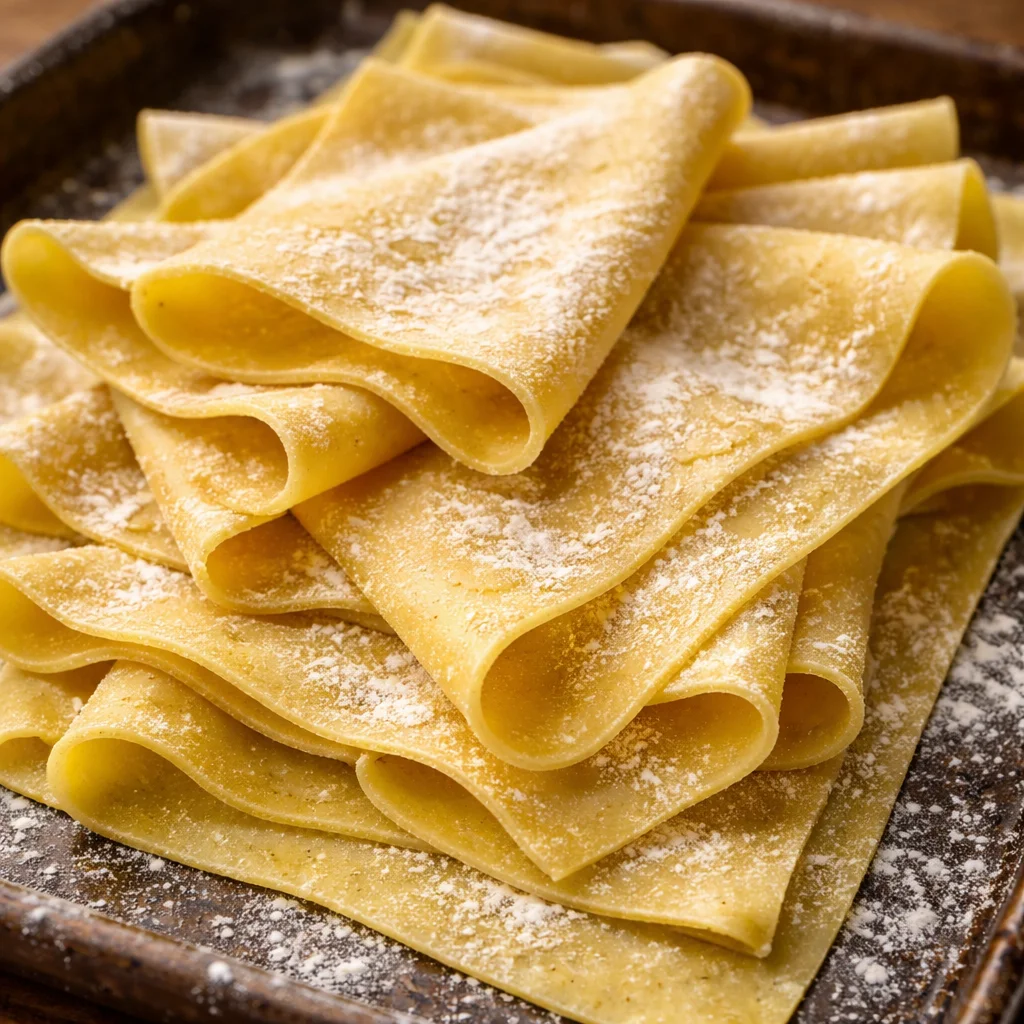
I still remember the first time I swapped store-bought sheets for fresh, pillowy lasagna noodles — the whole dish felt younger, brighter, and somehow more honest. Homemade lasagna noodles are simply flour, eggs, salt, and a little oil, but the texture and flavor they add to a layered bake are worth the few extra minutes. Make them when you want a show-stopping Sunday supper, an intimate weeknight dinner with leftovers, or any time you want lasagna that tastes hand-made from start to finish. If you already love making lasagna from scratch, pairing these sheets with a tried-and-true sauce takes the dish to another level — here’s a helpful best homemade lasagna guide that complements them well.
What makes this recipe special
Fresh pasta sheets change everything: they cook faster, absorb sauce more evenly, and give a silkier mouthfeel than dried noodles. This simple four-ingredient dough is forgiving, economical, and adaptable — perfect for cooks who want control over thickness and bite. Make them for holiday lasagnas, date-night dinners, or to impress a potluck crowd.
“These noodles gave my lasagna the tender, restaurant-quality lift I’d been chasing — worth every minute.” — home cook review
You can also use this dough to cut tagliatelle or pappardelle if you don’t need full lasagna sheets, and if you’re short on time there are smart shortcuts that still deliver great results; for ideas on quick homemade sides and breads that pair well, check out this easy homemade lasagna recipe for inspiration.
How this recipe comes together
Before you begin, here’s the quick overview so you know what to expect:
- Make a firm, slightly tacky dough from flour, eggs, salt, and oil.
- Knead briefly until smooth and elastic; then let it rest.
- Roll the dough through a pasta machine, reducing thickness gradually.
- Cut into lasagna-sized sheets and let them dry slightly before using or storing.
That’s it — no resting overnight required, and most of the hands-on time is rolling and shaping, not fiddly steps.
Gather these items
Key ingredients
- 2 cups all-purpose flour (can substitute half 00 flour or half semolina for more bite)
- 3 large eggs (room temperature)
- 1/2 teaspoon salt
- 1 tablespoon olive oil (optional for richness and elasticity)
Notes: If you need an egg-free version, use about 3/4 cup warm water plus 2 tablespoons olive oil and 2 1/4 cups flour, adjusting until the dough feels right. For a chewier, rustic noodle, swap 1/2 cup of the flour for semolina.
Cooking method
Step-by-step instructions to make the dough and sheets (short preview)
- Combine dry ingredients, then add eggs and oil.
- Bring the dough together, knead until smooth, and rest.
- Roll through a pasta machine in stages to your desired thickness.
- Cut into sheets sized for your pan and let them dry briefly before assembling the lasagna.
These stages are purposely simple so you can read ahead and time sauce and baking accordingly.
Directions to follow
- Add the 2 cups of all-purpose flour and 1/2 teaspoon salt to the bowl of a food processor. Pulse once to combine.
- Beat the 3 large eggs lightly in a measuring cup and add the tablespoon of olive oil. Pour the egg mixture into the processor.
- Pulse in short bursts until the mixture forms coarse crumbs that start to come together into a shaggy dough.
- Turn the dough onto a floured surface. Knead for 3–5 minutes until the dough is smooth and slightly springy. If it’s sticky, dust with a little flour; if too dry, dampen with a tiny splash of water.
- Wrap the dough tightly in plastic wrap and let it rest at room temperature for 30 minutes. This relaxes the gluten and makes rolling much easier.
- Divide the dough into 2 or 3 pieces. Flatten one piece and feed it through your pasta machine on the widest setting several times, folding once or twice until it’s smooth.
- Gradually reduce the roller setting, one notch at a time, until you reach the thickness you want (for lasagna, aim for a thin but not translucent sheet — roughly setting 5–6 on many machines; adjust for your model).
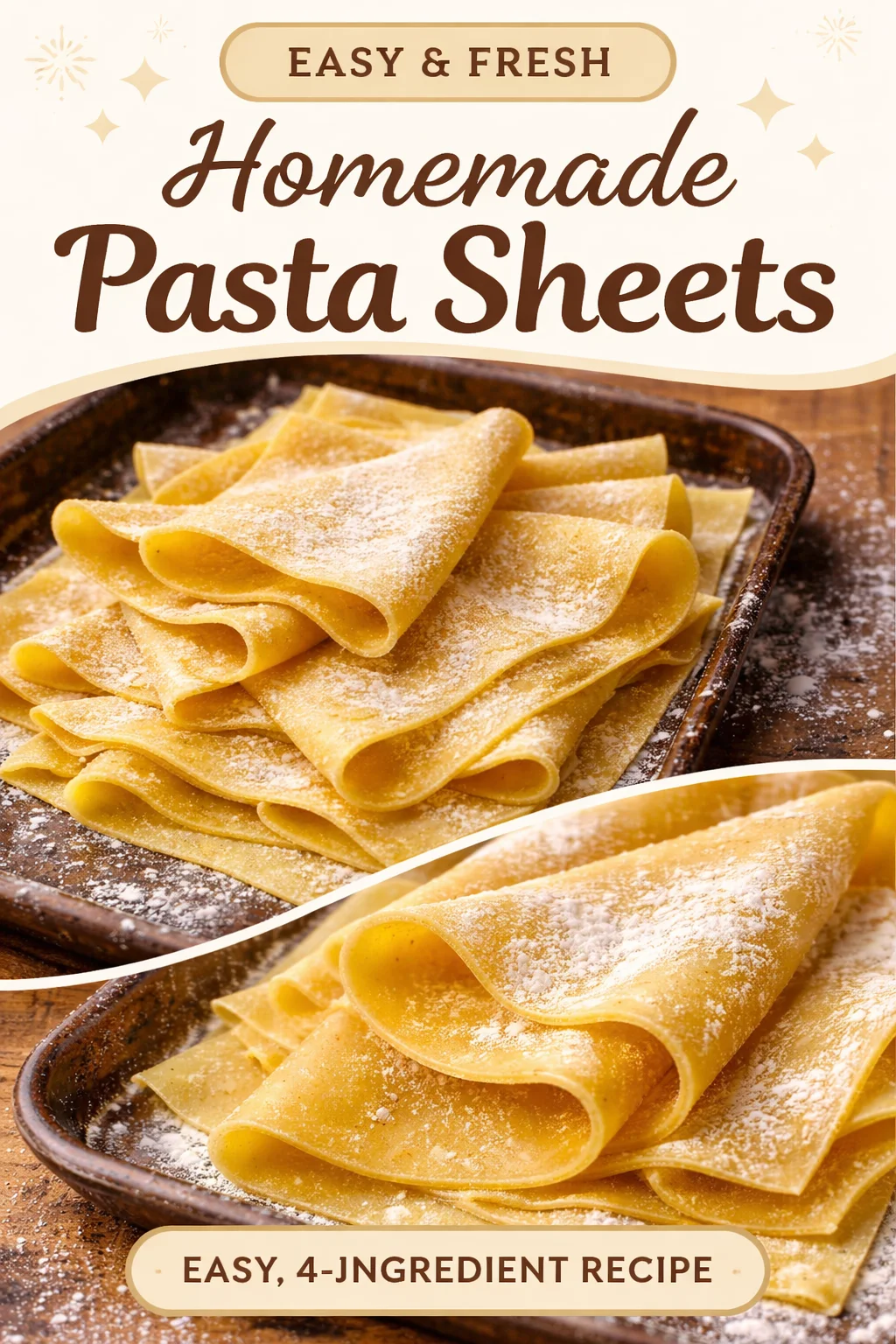
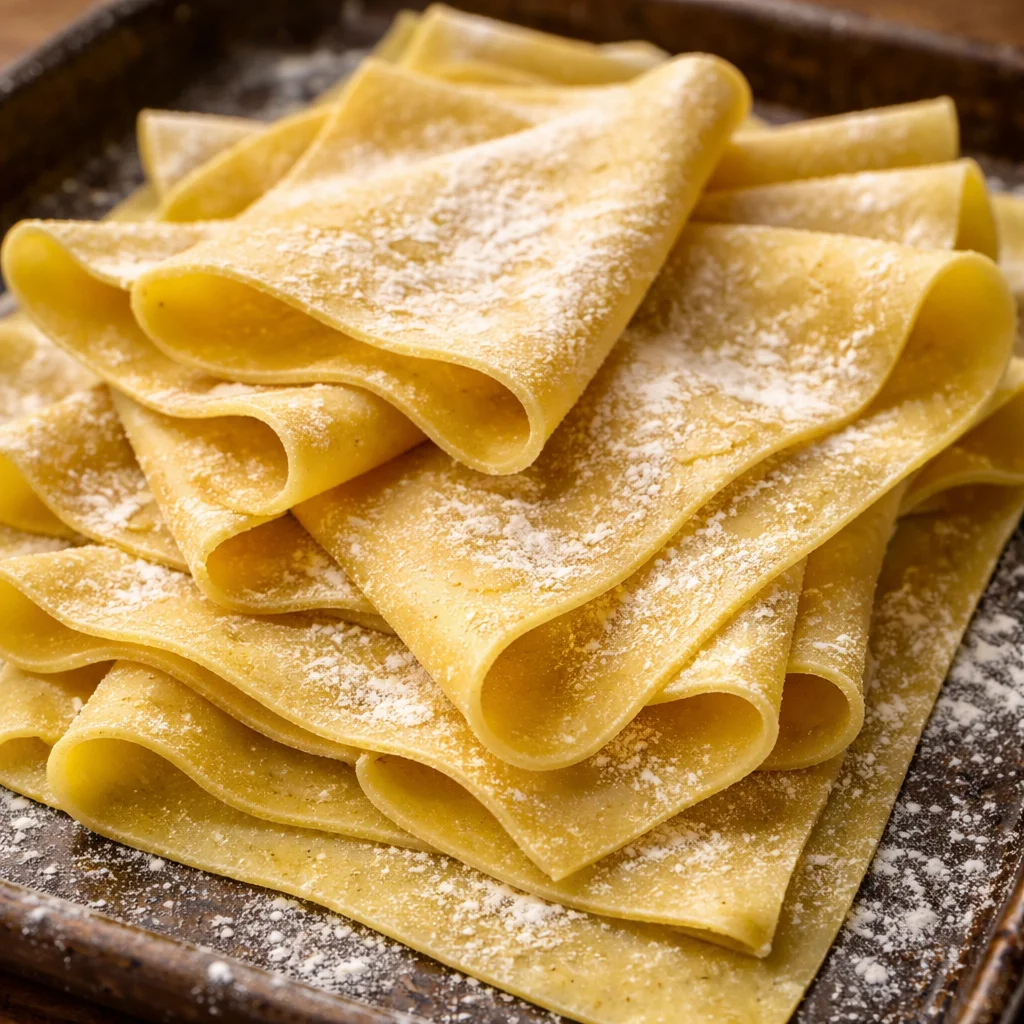
- Cut the rolled dough into sheets that match the size of your baking pan. Lay sheets on a lightly floured surface or hang them to dry for 20–30 minutes before assembling, or stack with parchment between layers for storage.
Short, active steps make the process manageable even if this is your first time with a pasta machine.
Best ways to enjoy it
Serving suggestions
- Traditional: Layer with ragù, béchamel, and plenty of fresh mozzarella for a classic lasagna.
- Light option: Use a ricotta-spinach filling and tomato sauce for a brighter, lighter bake.
- Non-baked: Briefly blanch sheets (30–60 seconds) and toss with pesto and roasted vegetables for a cold pasta salad.
- Presentation tip: Trim clean edges, brush with a little olive oil, and tile sheets with a slight overlap so the finished cut looks tidy.
Pair these noodles with a crisp green salad and crusty bread — if you want a quick homemade loaf to serve alongside, this 20-minute bread recipe complements lasagna nicely.
How to store & freeze
Keeping leftovers fresh
- Refrigerate: Fresh, uncooked sheets wrapped well (plastic or airtight container) will keep in the fridge for up to 48 hours.
- Freeze: Layer sheets between parchment paper, stack, and seal in a freezer bag. They’ll keep up to 2 months. Thaw in the refrigerator before using.
- Cooked lasagna: Cool to room temperature, cover tightly, and refrigerate for up to 3 days; reheat at 350°F (175°C) until warmed through.
- Food safety: Because the dough contains raw eggs, refrigerate promptly and do not leave at room temperature longer than two hours.
If you plan to freeze assembled lasagna, partially bake (about 20 minutes), cool, then wrap tightly for best texture and food safety.
Pro chef tips
Helpful cooking tips
- Egg size matters: Large eggs are standard; if yours are smaller, add a teaspoon or two of water to reach the right dough consistency.
- Knead just enough: Over-kneading can make pasta tough. Aim for a smooth, elastic ball in about 3–5 minutes.
- Machine technique: Always roll several times on the widest setting first to create an even sheet. Reduce thickness incrementally.
- Drying time: Don’t over-dry. Slightly tacky sheets stick together better in the lasagna and meld with sauces.
- Shortcut: If pressed for time, roll the dough by hand with a rolling pin — it takes longer but works fine.
For a fast accompaniment or to practice rolling skills, try this other 20-minute bread that’s great with lasagna.
Creative twists
Recipe variations
- Whole wheat: Replace up to half the flour with whole-wheat pastry flour for nuttier flavor.
- Herb-infused dough: Add 1–2 teaspoons finely chopped fresh herbs or 1 teaspoon dried to the dough for subtle flavor.
- Spinach pasta: Puree 2 ounces blanched spinach and add to the eggs for green, nutrient-rich sheets (reduce water slightly).
- Gluten-free: Use a specialty gluten-free 1:1 flour blend and add an extra egg or 1–2 tablespoons water for cohesion.
Small swaps let you tailor texture and nutrition without losing the essential fresh-pasta experience.
Your questions answered
Q: How long does fresh lasagna pasta take to cook in the oven?
A: Fresh sheets don’t need full pre-boiling; when layered with a saucy filling, they usually cook through during the lasagna’s bake (about 45–60 minutes at 375°F). If you’re worried, briefly blanch each sheet 30–60 seconds before layering.
Q: Can I make the dough ahead?
A: Yes. Wrapped tightly, raw dough keeps in the refrigerator for up to 48 hours. For longer storage, freeze the dough ball for up to 2 months; thaw overnight in the fridge before rolling.
Q: Are raw eggs safe in pasta dough?
A: Using raw eggs in pasta is traditional and safe if you handle and store the dough properly — keep it refrigerated, and don’t leave it at room temperature for extended periods. If you’re concerned, cook sheets briefly before assembling, or use a pasteurized egg product.
Q: My sheets are tearing while rolling. What went wrong?
A: Tear usually means the dough wasn’t rested long enough or is too dry. Let it rest covered for another 15–30 minutes, and knead in a touch of water or oil to hydrate before rolling again.
Conclusion
Making your own lasagna noodles is a small extra step that yields a big payoff in texture and flavor — the result is tender layers that cling to sauce and melt in the mouth. If you want more detailed techniques and visuals on rolling and drying lasagna sheets, this homemade lasagne pasta sheets guide walks through machine settings and shaping. For a beginner-friendly, photo-driven walkthrough with tips on assembly and baking, see this beginner’s guide to fresh homemade lasagna noodles. Happy rolling — and enjoy the difference that fresh pasta makes.
Lasagna Sheets
Ingredients
Pasta Dough Ingredients
- 2 cups all-purpose flour Can substitute half with 00 flour or semolina for more bite
- 3 large eggs Room temperature
- 1/2 teaspoon salt
- 1 tablespoon olive oil Optional for richness and elasticity
Instructions
Preparation
- Add the flour and salt to the bowl of a food processor and pulse to combine.
- Beat the eggs lightly, add olive oil, and pour into the processor.
- Pulse in short bursts until the mixture forms coarse crumbs.
- Turn the dough onto a floured surface and knead for 3-5 minutes until smooth.
- Wrap the dough tightly in plastic wrap and let it rest at room temperature for 30 minutes.
Rolling and Cutting
- Divide the dough into 2 or 3 pieces, flatten one piece and feed it through a pasta machine at the widest setting.
- Gradually reduce the roller setting until you reach desired thickness.
- Cut the rolled dough into sheets that match the size of your baking pan.
- Let sheets dry on a lightly floured surface for 20-30 minutes before use or storage.