Lavender Frosting

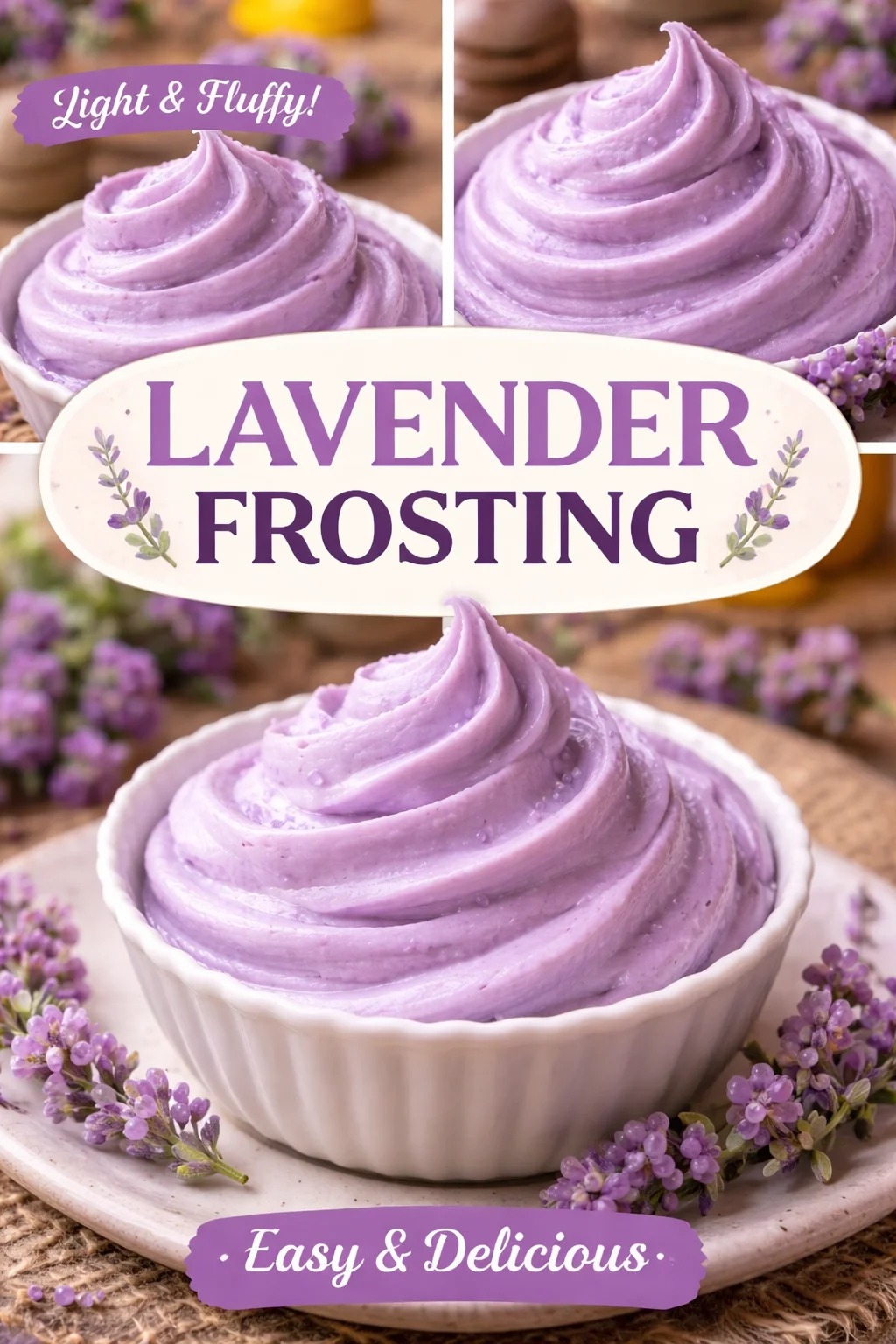
I still remember the first time I swapped plain vanilla for lavender in buttercream — the room filled with a soft, floral perfume and my cupcakes suddenly felt like a spring afternoon. This lavender frosting is a simple, elegant twist on classic American buttercream that brightens cakes, cupcakes, and cookies with fragrant, floral notes without being overpowering. If you already enjoy a silky buttercream base, this recipe is a quick way to make desserts feel special for showers, tea parties, or a calming weekend bake. For a refresher on a basic buttercream approach, I often cross-reference American buttercream techniques like those in my favorite guide to American buttercream basics: American buttercream basics.
Why you’ll love this dish
Lavender frosting takes ordinary cakes and cupcakes up a notch with minimal extra work. It’s:
- Delicate but noticeable — a little lavender goes a long way.
- Fast to make: about 10 minutes of active time once ingredients are measured.
- Very versatile: it pairs beautifully with lemon, honey, vanilla, and berry desserts.
- Great for special occasions: tea parties, bridal showers, or Easter brunch.
“Light, floral, and not too sweet — this frosting feels grown-up but still kid-friendly. A tiny pinch of lavender makes all the difference.” — home baker review
Pair it with spiced cupcakes or fruit-forward cakes; for instance, it’s lovely alongside cozy fall flavors like the apple cider cupcakes I like to serve at gatherings: apple cider cupcakes with spiced buttercream.
How this recipe comes together
This recipe is straightforward. You’ll soften and whip butter until fluffy, then slowly incorporate powdered sugar for structure. The lavender is best finely ground and added with cream and vanilla so it blends evenly. A short high-speed beat finishes the frosting into a light, spreadable texture. Expect a total hands-on time of about 10–15 minutes and very little cleanup.
What you’ll need
- 1 cup unsalted butter, softened (room temperature)
- 4 cups powdered sugar (confectioners’ sugar), sifted if lumpy
- 2–4 tablespoons heavy cream (start with 2 and add to reach consistency)
- 1–2 tablespoons culinary lavender, finely ground (start with 1 tbsp and taste)
- 1 teaspoon vanilla extract
- Pinch of salt
Notes and substitutions:
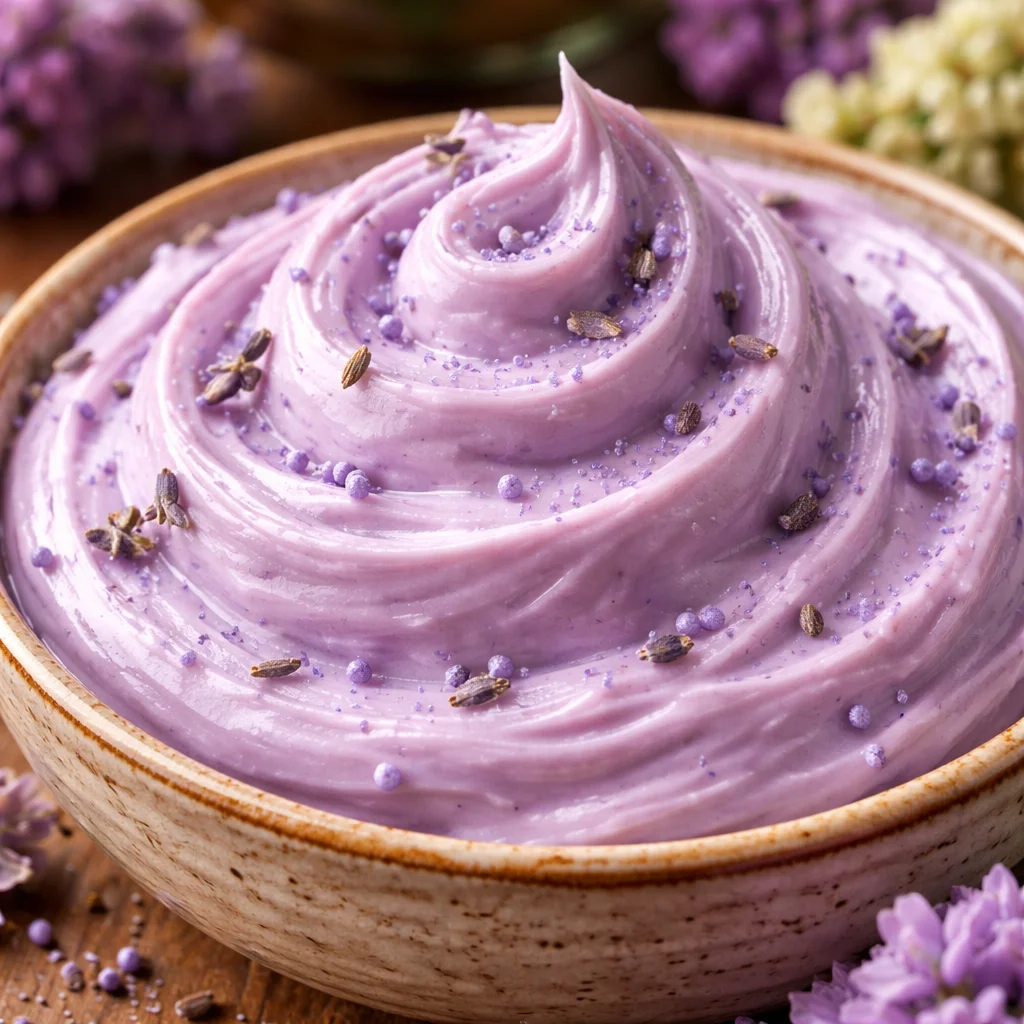
- Use culinary-grade lavender (not ornamental). If you only have whole buds, grind them in a spice grinder or mortar and pestle until very fine to avoid gritty bits.
- Heavy cream gives a richer mouthfeel; milk or half-and-half can be used for a lighter option.
- For a less-sweet frosting, reduce powdered sugar slightly, but you may need more cream to loosen it.
Directions to follow
- In a large bowl, beat the softened butter on medium speed until it becomes pale and fluffy (about 2–3 minutes).
- Gradually add the powdered sugar, about 1 cup at a time, mixing on low speed after each addition until mostly incorporated. Scrape the bowl as needed.
- Add 2 tablespoons heavy cream, the finely ground lavender, vanilla, and a pinch of salt. Mix on low to combine.
- Increase to high speed and beat the frosting until light and airy and spreadable, about 2–3 minutes. If it’s too stiff, add more cream 1 teaspoon at a time; if too loose, add a little more powdered sugar.
- Taste and adjust: if the lavender is too light, you can stir in up to 1 additional teaspoon ground lavender (go slowly — more can get soapy).
- Use immediately to frost cakes or cupcakes, or store as directed below.
If you want technique pointers for creaming and achieving a silky texture, I often reference American buttercream technique notes to fine-tune mixing speed and sugar incorporation: American buttercream technique.
Best ways to enjoy it
- Spread or pipe the frosting on vanilla, lemon, or almond cupcakes for an elegant finish.
- Pair with a simple lemon layer cake — the citrus cuts the floral sweetness beautifully.
- Use as a filling between thin cake layers for a delicate wedding-cake feel.
- Dollop over shortbread cookies or sugar cookies and garnish with a single lavender bud or a sprinkle of lemon zest.
- For a rustic look, frost a carrot or honey cake and scatter edible flowers or toasted almonds on top.
How to store & freeze
- Room temperature: If the frosted item will be eaten within a few hours and your kitchen is cool, you can leave small cupcakes out for up to 6–8 hours.
- Refrigerator: Store unfrosted frosting in an airtight container for up to 2 weeks. Frosted cakes should be refrigerated if not served the same day; bring to room temperature before serving for best texture (about 30–60 minutes).
- Freezer: Freeze in an airtight container up to 3 months. Thaw in the fridge overnight, then whip briefly to restore texture.
- Food safety: Because this is butter-based (not egg-based), refrigeration is safest for long storage. Discard if it develops off odors or color.
Pro chef tips
- Bloom the lavender: Briefly steep the ground lavender in warm cream for 5–10 minutes, then strain for a smoother, subtler flavor. This releases aromatics without leaving grainy bits.
- Grind very fine: Use a coffee grinder reserved for spices or a mortar and pestle so the buds don’t feel gritty.
- Add aromatics last and taste as you go — floral flavors intensify as the frosting rests.
- Avoid overbeating once powdered sugar is fully incorporated; too much air can make the frosting unstable for tall piped designs. For piping, chill briefly to firm up.
- If you want a pastel hue, add a drop of purple gel food coloring and mix gently until uniform.
For troubleshooting and balancing buttercream texture, I recommend reading tips from a trusted source on perfect vanilla buttercream: best vanilla buttercream recipe.
Creative twists
- Lemon-Lavender: Add 1 tablespoon lemon zest and 1 teaspoon fresh lemon juice for bright floral-citrus frosting.
- Honey Lavender: Replace 1 tablespoon cream with 1 tablespoon honey and lower powdered sugar by 2 tablespoons for a softer, honeyed flavor.
- Lavender Violet: Fold in a spoonful of violet jam or a tiny amount of natural purple coloring for a floral color match.
- Dairy-free: Use vegan butter and coconut cream (measure for desired consistency), but expect a slightly different mouthfeel.
- Swiss meringue version: For a silkier, less-sweet frosting, make a Swiss meringue base and fold in lavender-infused butter (note: method differs — requires cooking egg whites).
Helpful answers
Common questions
Q: Can I use lavender essential oil instead of dried lavender?
A: It’s better to use culinary dried lavender. Essential oils are concentrated and can be overpowering or not food-grade; if you do use a food-grade lavender oil, use a single drop and taste carefully.
Q: How much lavender is too much?
A: Start with 1 tablespoon of finely ground culinary lavender for this quantity. 2 tablespoons is the maximum I recommend for a noticeable but pleasant flavor. Beyond that, the frosting can taste soapy or bitter.
Q: Can I make this ahead for a party?
A: Yes. Make the frosting and store it airtight in the fridge up to 2 weeks or freeze up to 3 months. Bring to room temperature and re-whip before using.
Q: Will the lavender look gritty?
A: If you grind the buds very fine or bloom them in warm cream and strain, you’ll avoid grit. Using whole or coarsely crushed buds will give texture — useful if you want visible specks.
Q: Can I color this frosting?
A: Yes — gel colors are best. A tiny drop of purple or pink gel will tint without thinning the frosting.
Conclusion
This lavender frosting is a small step that transforms simple desserts into something memorable — floral, balanced, and easy to make. If you enjoy exploring floral buttercreams, you might like a classic take on lavender buttercream with slightly different proportions and notes; here’s a helpful variation from Sugar & Sparrow: Lavender Buttercream Frosting – Sugar & Sparrow. For a lemon-lavender twist and additional technique ideas, Nancy’s Lavender Place offers a complementary take worth checking out: Lavender Buttercream Frosting with Lemon – Nancy’s Lavender Place.
Lavender Frosting
Ingredients
Frosting Base
- 1 cup unsalted butter, softened (room temperature) Ensure the butter is at room temperature for easy mixing.
- 4 cups powdered sugar, sifted if lumpy Sifting prevents lumps in the frosting.
- 2-4 tablespoons heavy cream Start with 2 tablespoons and adjust for desired consistency.
- 1-2 tablespoons culinary lavender, finely ground Start with 1 tablespoon and taste; more can be added carefully.
- 1 teaspoon vanilla extract Enhances flavor.
- 1 pinch salt Balances sweetness.
Instructions
Preparation
- In a large bowl, beat the softened butter on medium speed until it becomes pale and fluffy (about 2–3 minutes).
- Gradually add the powdered sugar, about 1 cup at a time, mixing on low speed after each addition until mostly incorporated. Scrape the bowl as needed.
- Add 2 tablespoons heavy cream, the finely ground lavender, vanilla, and a pinch of salt. Mix on low to combine.
- Increase to high speed and beat the frosting until light and airy and spreadable, about 2–3 minutes.
- If it’s too stiff, add more cream 1 teaspoon at a time; if too loose, add a little more powdered sugar.
- Taste and adjust: if the lavender is too light, you can stir in up to 1 additional teaspoon ground lavender.
Usage
- Use immediately to frost cakes or cupcakes, or store as directed.