Barefoot Contessa Thumbprint Cookie Recipe

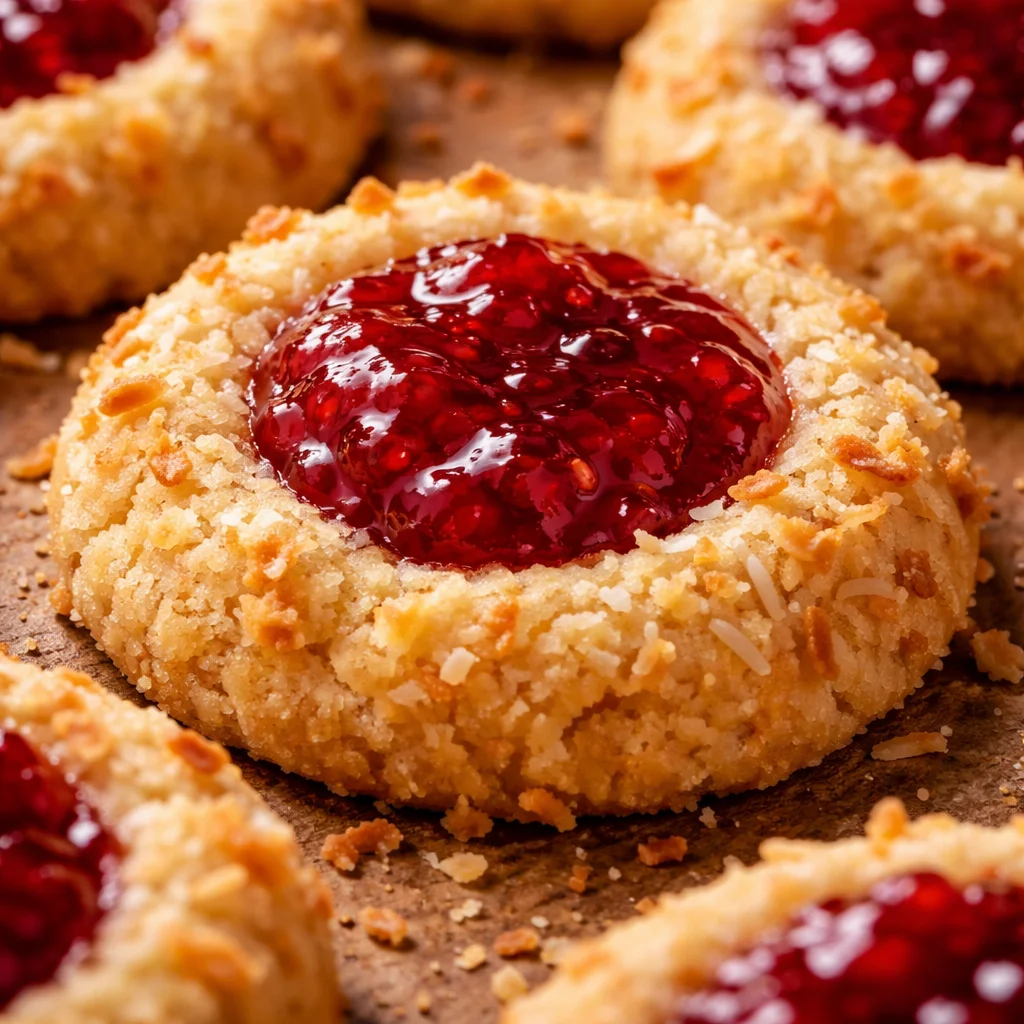
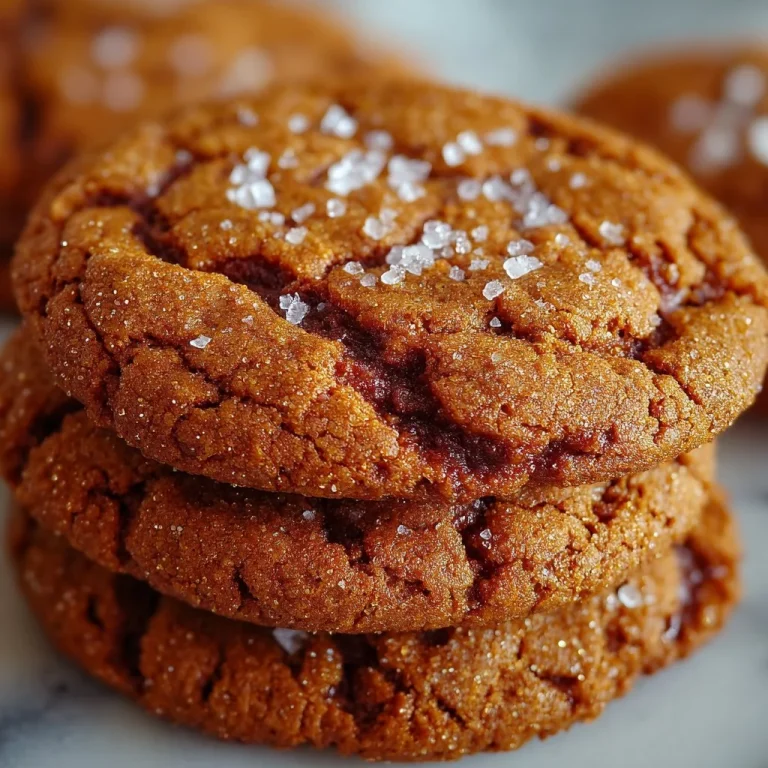
I first made these thumbprint cookies the winter I wanted a simple, make-ahead treat for holiday plates and school bake sales. They’re small, buttery, and finished with a jewel-like spoonful of jam — exactly the kind of cookie that disappears fast. This version, modeled after Ina Garten’s Barefoot Contessa thumbprints, adds shredded coconut and an optional hint of almond or lemon, which brightens the classic and makes them especially giftable. If you like chewy, not-too-sweet cookies that travel well, these are a keeper; they’re also a lovely companion to other seasonal bakes like the best soft gingerbread recipe for a holiday cookie box.
Why you’ll love this dish
These cookies are simple but elegant: a crisp edge, tender center, and a glossy dollop of jam that gives a pop of fruity acidity. They’re perfect for:
- Holiday cookie exchanges — make ahead and freeze unfilled dough or baked cookies.
- Kid-friendly baking — kids love pressing the thumbprint and filling the jam.
- Gifting — they look handmade and keep well in tins.
“A holiday classic with a tropical twist — the coconut gives them extra chew and keeps them from feeling bland.” — home baker’s review
Beyond nostalgia, this recipe is forgiving. Little dough chilling time helps with shaping, and you won’t need special equipment beyond a mixer and baking sheets. If you like texture contrasts, the coconut adds chew; if you prefer subtler flavors, omit it and keep the jam front and center.
How this recipe comes together
Quick overview so you know what to expect:
- Cream butter and sugar until pale and fluffy. Add the egg and extracts.
- Stir together flour, salt, and coconut. Fold into the butter mixture until a soft dough forms.
- Chill the dough for about 30 minutes for easier rolling and neater cookies.
- Roll tablespoon-sized pieces, press centers, fill with jam, and bake 15–20 minutes.
- Cool briefly on the sheet, then transfer to racks to finish cooling.
This flow keeps the hands-on time short and gives you predictable results: tender centers, lightly golden edges, and clean jam wells. For other small-batch cookie projects, these same steps mirror what I follow when pairing flavors with my go-to soft gingerbread recipe.
What you’ll need
Key ingredients and notes:
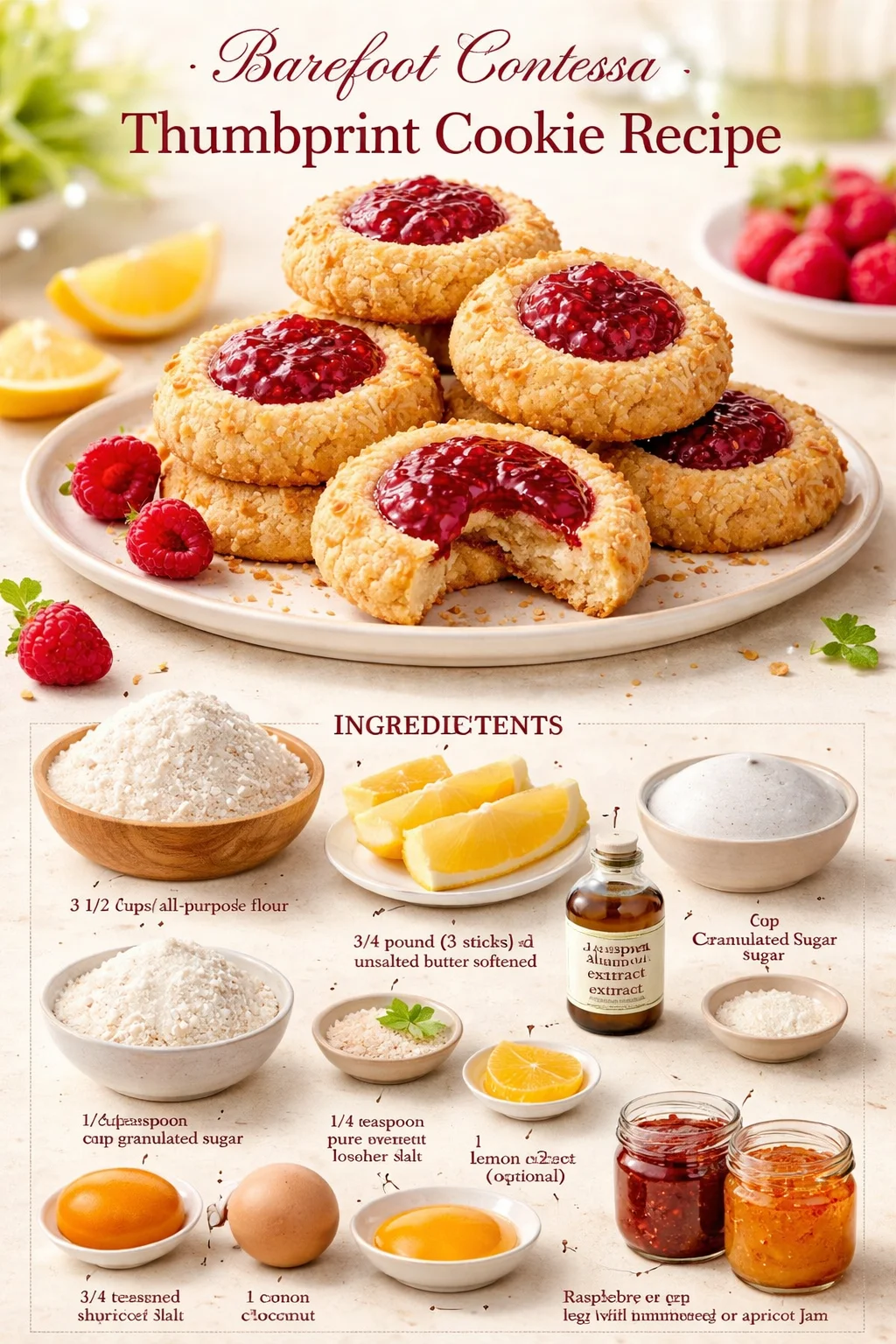
- 3 1/2 cups all-purpose flour (spoon and level for accuracy; swap half for whole-wheat pastry flour for a nuttier flavor)
- 3/4 pound (3 sticks) unsalted butter, softened to room temperature
- 1 cup granulated sugar
- 1 large egg (keep a little beaten with 1 tablespoon water for egg wash)
- 1 teaspoon pure vanilla extract
- 1/4 teaspoon almond extract (optional; a little goes a long way)
- 1/4 teaspoon coarse kosher salt
- 1 tablespoon lemon zest (optional; adds brightness)
- 7 ounces sweetened shredded coconut
- Raspberry or apricot jam (or a mix) — use a thick jam to avoid spreading
Substitutions: for a dairy-free version use a high-quality vegan butter; measure texture — if dough feels too dry, add 1 tsp milk; too sticky, chill longer. For lower sugar, try 3/4 cup sugar and a tablespoon of honey, but expect a slightly different browning behavior.
Step-by-step overview
Follow these clear steps for tidy, reliable thumbprints.
- Preheat and prep: Heat oven to 350°F (175°C). Line two baking sheets with parchment paper.
- Cream butter and sugar: In a large bowl, beat the softened butter and sugar together with a hand mixer or stand mixer until light and fluffy (about 3–5 minutes).
- Add egg and flavorings: Beat in the whole egg, then mix in vanilla. Add almond extract and lemon zest if using.
- Combine dry ingredients: In a separate bowl, whisk flour, salt, and shredded coconut.
- Make the dough: Add the dry mix to the wet mixture gradually. Stir gently until a soft dough forms — do not overmix.
- Chill: Wrap the dough and refrigerate for about 30 minutes to firm up.
- Shape: Scoop about 1 tablespoon per cookie, roll into balls, and place on prepared sheets about 2 inches apart.
- Make thumbprints: Use your thumb or the back of a measuring spoon to press a shallow well into each ball.
- Fill with jam: Spoon a small amount of jam into each indentation. Avoid overfilling.
- Bake: Bake for 15–20 minutes, until edges are lightly golden. Watch the first sheet to adjust time for your oven.
- Cool: Let cookies cool on the sheet for a few minutes, then move them to a wire rack to cool completely.
For more detailed shaping tips and how dough should feel at each stage, check my notes from similar cookie projects like the soft gingerbread cookies routine.
Best ways to enjoy it
Serving suggestions to make them shine:
- Presentation: Arrange on a tiered platter for parties or stack in a gift tin with parchment and tissue.
- Pairings: Serve with Black tea, Earl Grey for the lemon-zested version, or a cappuccino for brunch.
- Combo idea: Offer both raspberry and apricot jams on the same tray so guests can pick their favorite. A light dusting of powdered sugar after cooling adds a festive look.
Storage and reheating tips
How to keep them fresh:
- Room temperature: Store in an airtight container layered with parchment for up to 5 days.
- Refrigeration: If your jam is particularly soft or you’re in a hot climate, refrigerate and bring to room temperature before serving.
- Freezing:
- Dough: Freeze unbaked, shaped balls on a tray. Once solid, transfer to a freezer bag; bake from frozen, adding 2–3 minutes to the time.
- Baked cookies: Freeze fully cooled cookies in a single layer, then stack with parchment. Thaw at room temperature.
Food safety: Because these cookies contain egg, store at room temp only if consuming within a few days and keep them cool out of direct sunlight; if storing longer than 48 hours in warm conditions, refrigerate.
Pro chef tips
Small techniques that make a big difference:
- Use a cookie scoop for uniform dough balls so baking is even.
- Chill time matters — well-chilled dough yields cleaner thumbprints and less spreading.
- Keep jam thick: If your jam is runny, reduce it on the stove briefly to thicken or use a preserves-style jam.
- Egg wash tip: Lightly brush cookie edges (not the jam) for a glossy finish.
- Coconut texture: If you prefer less chew, pulse the shredded coconut briefly in a food processor to break it down.
For coconut-forward inspiration, I often reference a chewy-coconut approach I use in similar cookies: chewy coconut-oatmeal cookies.
Creative twists
Flavor swaps and variations to try:
- Chocolate jam: Use chocolate-hazelnut spread in the well and refrigerate until set for a decadent bite.
- Nutty crust: Roll the balls lightly in finely chopped toasted pecans before pressing for crunch.
- Citrus jam: Swap apricot for marmalade and add extra lemon zest for a bright, tangy cookie.
- Gluten-free: Replace the flour with a 1:1 gluten-free blend and add 1–2 tablespoons of extra coconut to help structure.
- Mini thumbprints: Make smaller 3/4-teaspoon balls for bite-sized treats — bake 2–3 minutes less.
Common questions
Q: Can I make the dough ahead of time?
A: Yes. You can chill the formed dough balls overnight or freeze them for up to 3 months. Bake from chilled (add 1–2 minutes) or from frozen (add 2–3 minutes).
Q: My jam bubbled over — how do I prevent that?
A: Use a thick jam or reduce runny jam over low heat until slightly thickened. Fill the wells modestly; jam will soften and settle during baking.
Q: Do I have to use coconut?
A: No — coconut adds chew and flavor. Omit it to make a more traditional shortbread-like thumbprint, or swap in finely chopped nuts for texture.
Q: Is it safe to eat with raw eggs?
A: The recipe uses a fully mixed egg baked into the cookie. If you’re concerned about raw eggs in the egg wash, skip the wash or use pasteurized eggs.
Q: How many cookies does this recipe yield?
A: Expect roughly 40–48 cookies depending on how large you make each tablespoon portion.
Conclusion
If you want the classic Barefoot Contessa thumbprint with a slight tropical tweak, this recipe is easy to batch, gift, and customize. For the original Barefoot Contessa technique and her jam thumbprint approach, consult Jam Thumbprint Cookies | Recipes – Barefoot Contessa. For Ina Garten’s version and her baking tips, see Jam Thumbprint Cookies Recipe | Ina Garten | Food Network.
Coconut Thumbprint Cookies

Ingredients
Cookie Base
- 3.5 cups all-purpose flour Spoon and level for accuracy; swap half for whole-wheat pastry flour for a nuttier flavor.
- 3/4 pound unsalted butter, softened Softened to room temperature.
- 1 cup granulated sugar
- 1 large egg Keep a little beaten with 1 tablespoon water for egg wash.
- 1 teaspoon pure vanilla extract
- 1/4 teaspoon almond extract Optional; a little goes a long way.
- 1/4 teaspoon coarse kosher salt
- 1 tablespoon lemon zest Optional; adds brightness.
- 7 ounces sweetened shredded coconut
Jam Filling
- to taste Raspberry or apricot jam Use a thick jam to avoid spreading.
Instructions
Preparation
- Preheat oven to 350°F (175°C) and line two baking sheets with parchment paper.
- In a large bowl, beat the softened butter and sugar together with a hand mixer or stand mixer until light and fluffy (about 3–5 minutes).
- Beat in the whole egg, then mix in vanilla. Add almond extract and lemon zest if using.
- In a separate bowl, whisk flour, salt, and shredded coconut.
- Gradually add the dry mix to the wet mixture, stirring gently until a soft dough forms — do not overmix.
- Wrap the dough and refrigerate for about 30 minutes to firm up.
Shaping and Baking
- Scoop about 1 tablespoon of dough per cookie, roll into balls, and place on prepared sheets about 2 inches apart.
- Use your thumb or the back of a measuring spoon to press a shallow well into each ball.
- Spoon a small amount of jam into each indentation, avoiding overfilling.
- Bake for 15–20 minutes, until edges are lightly golden. Watch the first sheet to adjust time for your oven.
- Let cookies cool on the sheet for a few minutes, then move them to a wire rack to cool completely.