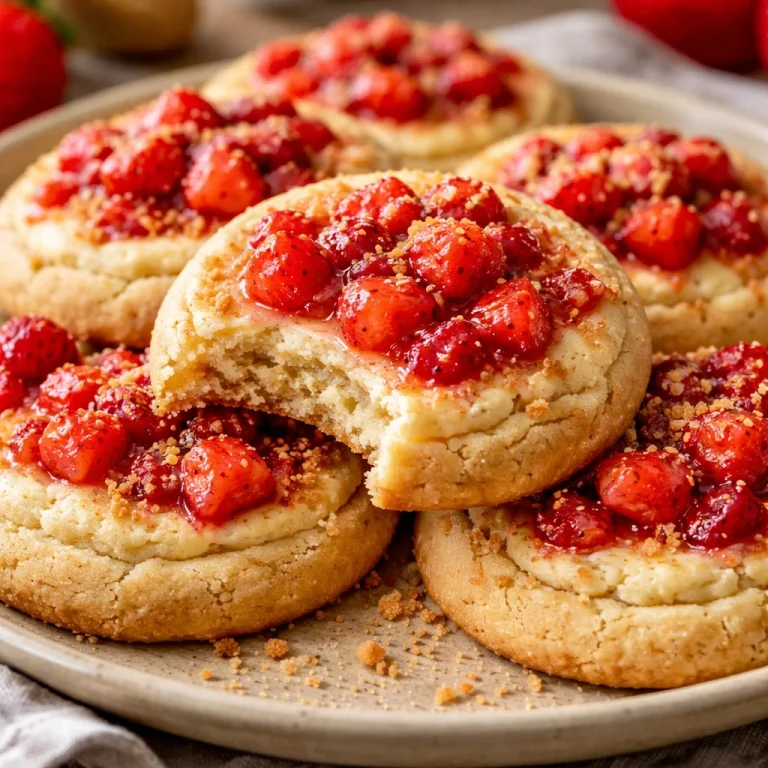
Butterball Cookies

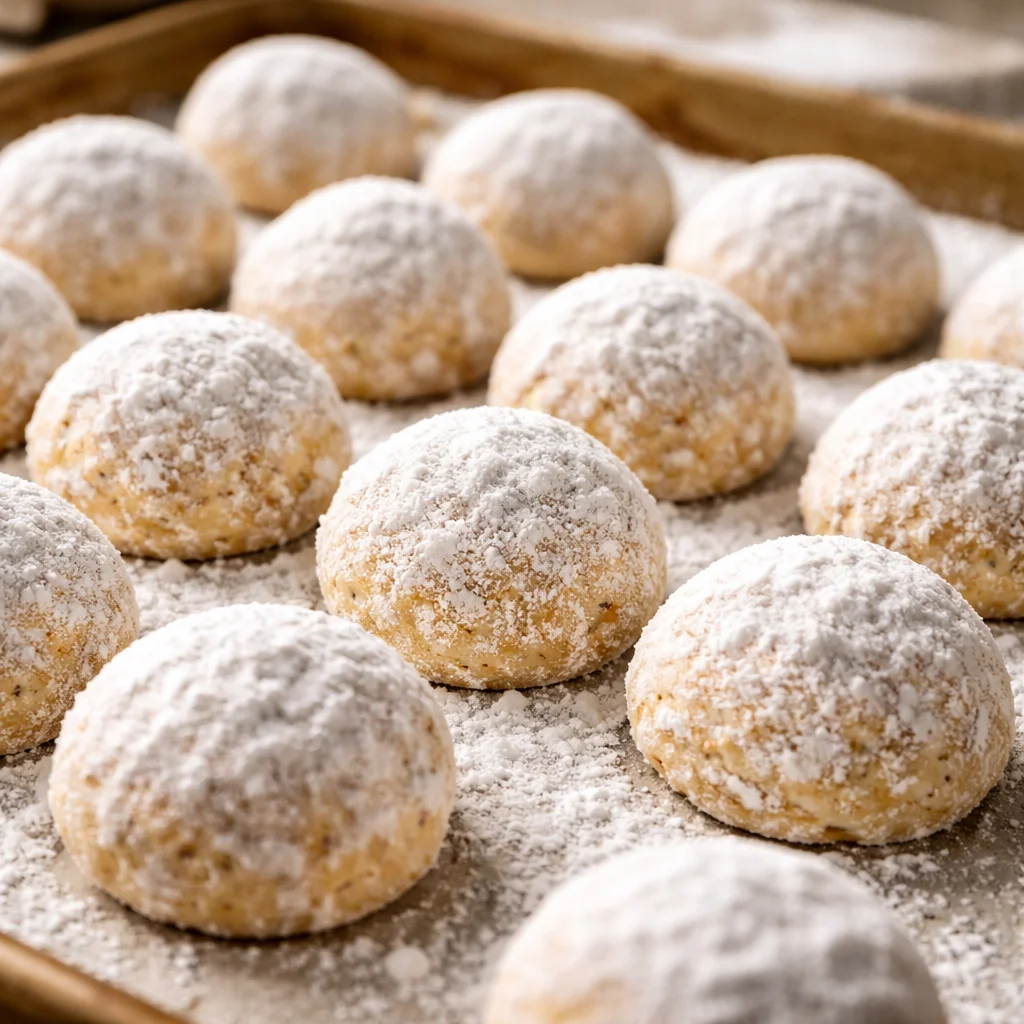
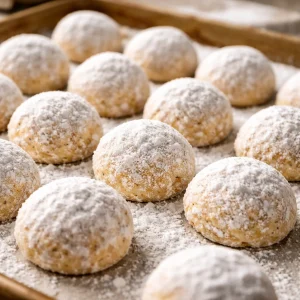
I’ve baked these butterball cookies for holiday platters and lazy afternoons alike — they’re tiny, buttery, and dusted in powdered sugar so they feel like a treat with minimal fuss. This simple shortbread-style cookie (often called snowball or Russian tea cake in other kitchens) shines because of high-quality butter and a gentle hand when mixing — the result is a tender, melt-in-your-mouth bite that’s perfect for gift tins, cookie exchanges, or a quiet cup of tea. If you want a quick, classic cookie to rely on, this is the one I reach for again and again — I keep a pinned version of my butterball cookies post for notes on batch sizes.
Why you’ll love this dish
These cookies are comfort in a bite: buttery, simple, and easy to scale. They take a handful of pantry staples and turn them into petite cookies that look fancy but require almost no technique. Make them for holidays, a children’s bake sale (kid-friendly shaping), or when you want an elegant dessert for guests without hours of work. They’re also naturally egg-free, which makes them a handy option if you need to avoid eggs.
“Crisp at the edges, tender inside, and that snow of powdered sugar — everyone asked for the recipe.” — a satisfied holiday guest
How this recipe comes together
Short overview before you start: soften butter, cream with powdered sugar, flavor with vanilla, fold in flour, and (optionally) stir in chopped nuts. Roll into small balls, bake until the bottoms just show a hint of gold, cool completely, then dust heavily with powdered sugar. Expect about 20–24 cookies depending on size. No chilling is required, but a quick 15–20 minute chill will help if your kitchen is warm.
Key ingredients
- 1 cup unsalted butter, softened (room temperature, not melted)
- 1/2 cup powdered (confectioners’) sugar, plus more for dusting
- 1 teaspoon vanilla extract
- 2 cups all-purpose flour
- 1/4 cup chopped nuts (optional — walnuts or pecans are classic)
Notes and substitutions: use salted butter but reduce added salt elsewhere; for a slightly nuttier texture try finely ground almonds (see an almond-flour approach in this almond-flour swap). If you want gluten-free, experiment with a 1:1 gluten-free flour blend and test for texture adjustments.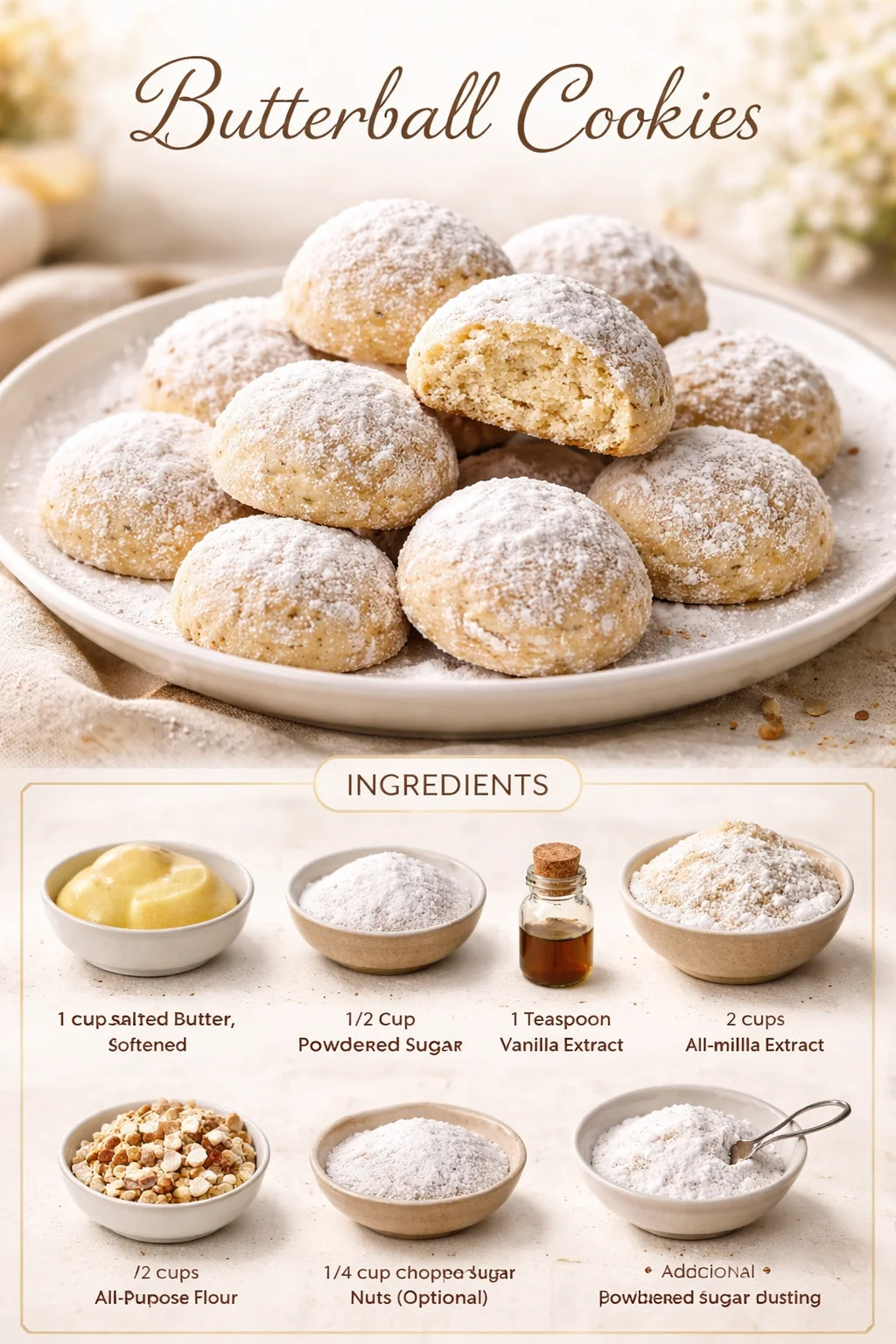
Step-by-step instructions
- Preheat your oven to 350°F (175°C). Line a baking sheet with parchment paper.
- In a large bowl, beat the softened butter and 1/2 cup powdered sugar together until light and fluffy — about 2–3 minutes with an electric mixer.
- Add the vanilla and mix until incorporated.
- Gradually add the flour and gently combine until a soft dough forms. Avoid overmixing; stop when no streaks of flour remain.
- Fold in the chopped nuts if using.
- Scoop and roll the dough into small balls (about 1-inch diameter) and place them 1–1.5 inches apart on the prepared sheet.
- Bake for 15–20 minutes, or until the bottoms are lightly golden but the tops remain pale.
- Let the cookies cool on the sheet for 5 minutes, transfer to a wire rack to cool completely, then dust generously with powdered sugar just before serving.
Best ways to enjoy it
Serve warm with a second dusting of powdered sugar so each bite melts on the tongue. They pair beautifully with a strong coffee, black tea, or a milky hot chocolate. For a dessert platter, arrange with biscotti and a few chocolate-dipped shortbreads; if you want a candy-bar riff, try pairing with an Almond Joy-style cookies for a mixed tin that’s nutty and chocolatey.
How to store & freeze
Store cooled cookies in an airtight container at room temperature for up to 5 days. Place wax paper between layers to prevent sticking from the powdered sugar. For longer storage, freeze uncoated cookies in a single layer on a baking sheet until firm, then transfer to a freezer-safe bag for up to 3 months. Thaw at room temperature and dust with fresh powdered sugar before serving. As always, keep cookies away from heat and moisture to maintain texture.
Pro chef tips
- Use room-temperature butter (around 65–68°F) for proper creaming; too cold and it won’t aerate, too soft and the cookies will spread.
- Sift powdered sugar before mixing to avoid lumps and ensure a silky dough.
- Measure flour by spooning into the cup and leveling with a knife, or weigh it (2 cups AP ≈ 250 g) for consistent results.
- If your dough feels greasy in hot weather, chill the rolled balls for 15–20 minutes before baking to hold shape. For more quick-bake inspiration and simple cookie techniques, I like the minimal-ingredient approach in this 3-ingredient peppermint cloud cookies post.
Creative twists
- Chocolate-dusted: after the powdered sugar stage, dip half of each cookie in melted dark chocolate and let set.
- Citrus-zest: add 1 teaspoon grated orange or lemon zest to the dough for a bright lift.
- Spiced: stir in 1/2 teaspoon ground cinnamon or finely ground cardamom for warmth.
- Nut-free: omit nuts and add 1 tablespoon of finely chopped, toasted oats for texture. For other flavor blends, try a cherry-and-almond version inspired by an almond-cherry cookies recipe — fold in tiny bits of dried cherries and slivered almonds before baking.
Common questions
Q: Can I make the dough ahead of time?
A: Yes. You can shape the balls and refrigerate them in an airtight container up to 24 hours before baking. For longer storage, freeze shaped balls for up to 3 months and bake from frozen, adding a minute or two to the baking time.
Q: My cookies spread — what went wrong?
A: Most likely the butter was too soft or your oven temperature is low. Chill the shaped dough briefly and ensure the oven is fully preheated to 350°F (175°C). Also check your flour measurement.
Q: Can I use brown sugar instead of powdered sugar in the dough?
A: No — powdered sugar is needed for the fine, tender texture. Brown sugar will add moisture and chewiness and change the cookie type. If you want a caramel note, add a tablespoon of light brown sugar but keep most of the sugar as powdered.
Q: Are these cookies safe for people with egg allergies?
A: Yes. Traditional butterball cookies are egg-free, but always check other added ingredients (like coated chocolates) for cross-contamination warnings if you’re serving someone with a severe allergy.
Conclusion
If you want a small, elegant cookie that’s easy to scale and beloved by most palates, these butterball cookies are a reliable choice. For a classic reference and slightly different method, I compare techniques with the detailed take found at Butterball Cookies (snowball/Russian tea cakes). If you prefer proven community-tested recipes and notes on timing, take a look at the long-standing Butterball Cookies Recipe at Allrecipes.
Butterball Cookies
Ingredients
Main ingredients
- 1 cup unsalted butter, softened (room temperature, not melted)
- 1/2 cup powdered sugar (plus more for dusting)
- 1 teaspoon vanilla extract
- 2 cups all-purpose flour
- 1/4 cup chopped nuts (optional — walnuts or pecans are classic)
Instructions
Baking
- Preheat your oven to 350°F (175°C). Line a baking sheet with parchment paper.
- In a large bowl, beat the softened butter and 1/2 cup powdered sugar together until light and fluffy — about 2–3 minutes with an electric mixer.
- Add the vanilla and mix until incorporated.
- Gradually add the flour and gently combine until a soft dough forms. Avoid overmixing; stop when no streaks of flour remain.
- Fold in the chopped nuts if using.
- Scoop and roll the dough into small balls (about 1-inch diameter) and place them 1–1.5 inches apart on the prepared sheet.
- Bake for 15–20 minutes, or until the bottoms are lightly golden but the tops remain pale.
- Let the cookies cool on the sheet for 5 minutes, then transfer to a wire rack to cool completely.
- Dust generously with powdered sugar just before serving.