Dill Pickle Spears

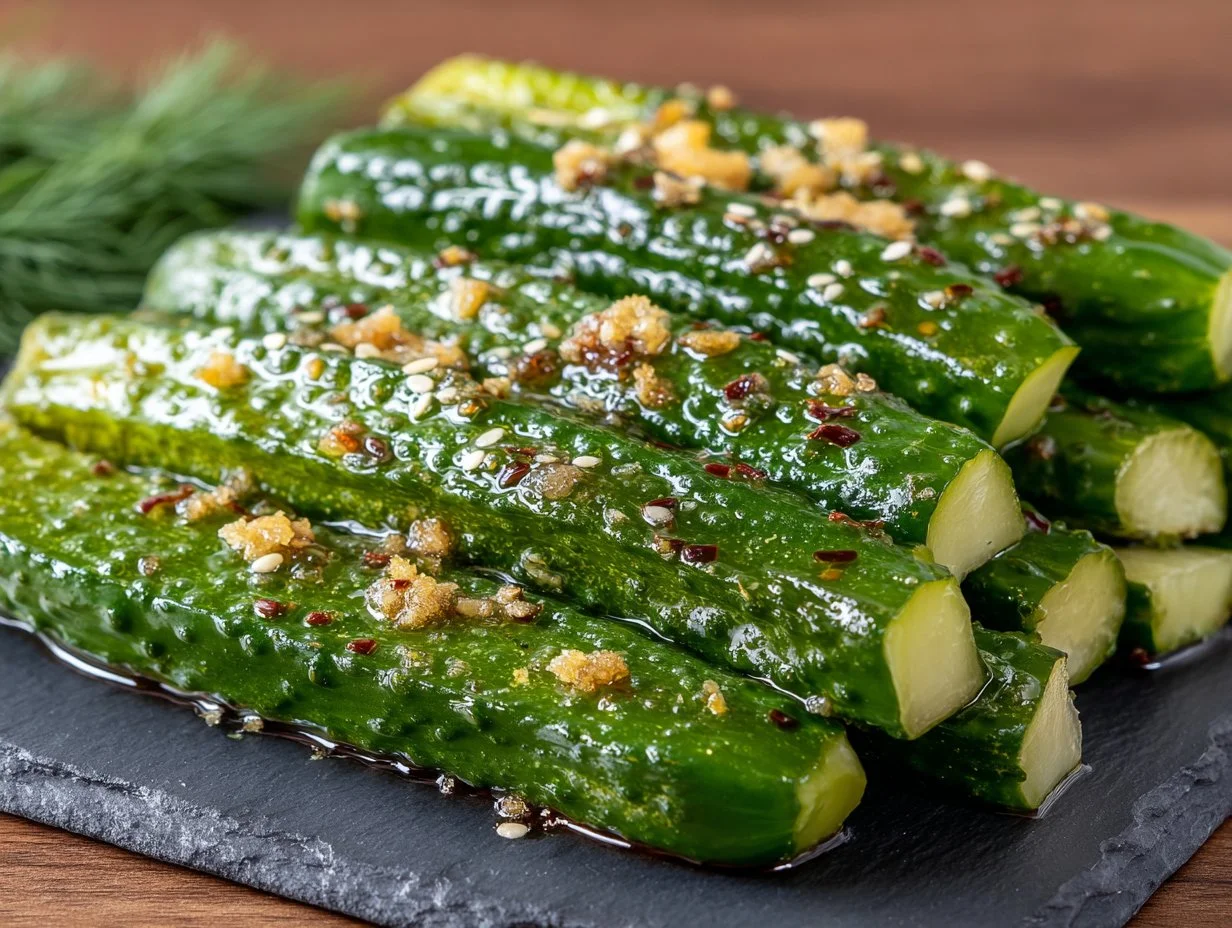
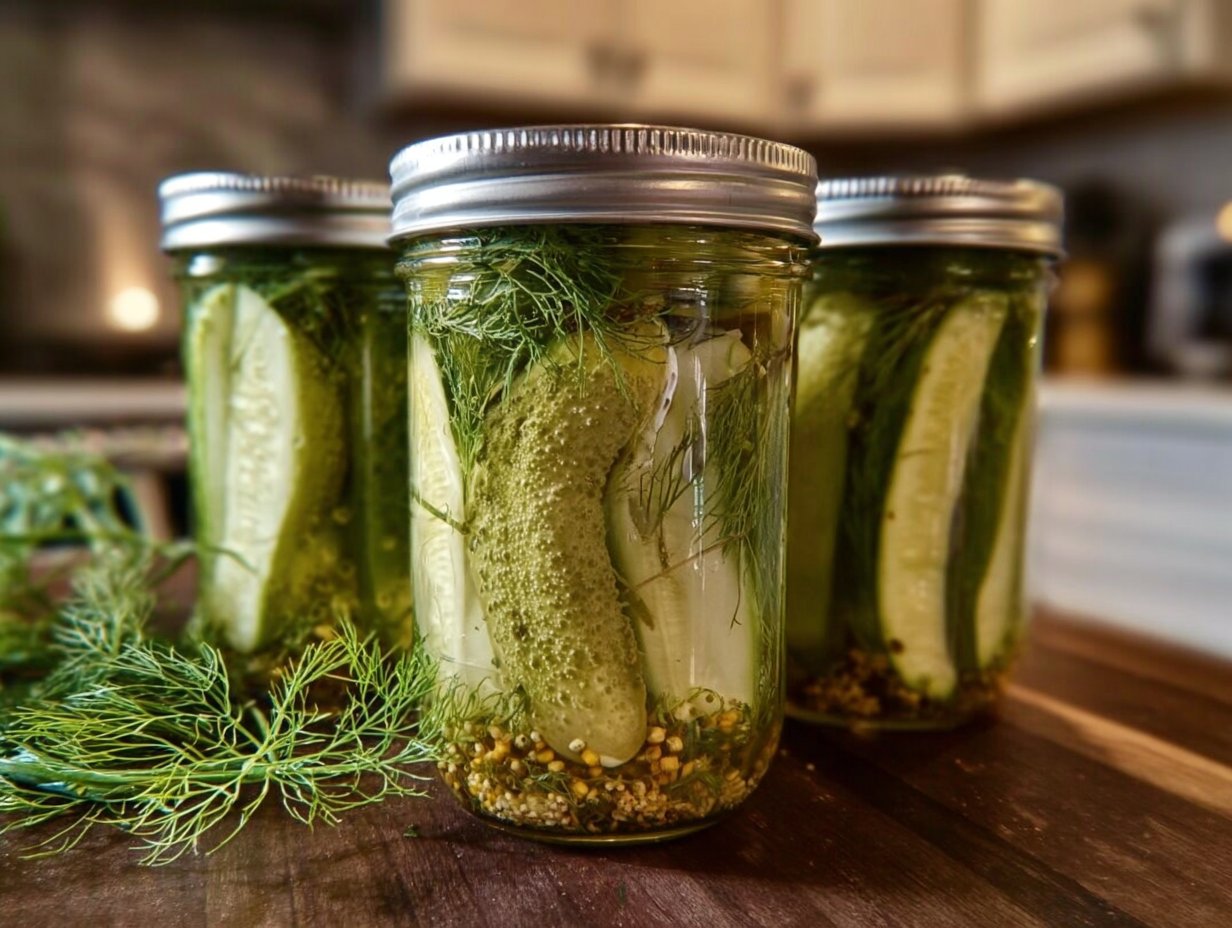
I grew up with a mason jar of crisp dill pickle spears in the fridge—perfect for snacking, sandwiches, and sneaking into lunches. These pickles are brined, lightly spiced, and either canned for the pantry or kept as quick refrigerator pickles. The recipe below yields classic, crunchy spears that benefit from a 24-hour salt soak and a mellow, tangy brine. If you like bright, herbal pickles that hold their crunch, this method delivers.
Why you’ll love this dish
Homemade dill pickle spears are a pantry staple for good reason: they’re cheap to make when cucumbers are in season, totally customizable, and infinitely useful — from lunchboxes and charcuterie boards to topping grilled sandwiches. This recipe balances a short hot brine with a long cold salt soak so the cucumbers stay crisp and flavorful.
“These spears stayed crunchy even after months on the shelf — the perfect tang with a touch of dill and mustard seed.” — a longtime canner
Benefits at a glance:
- Budget-friendly: transforms bulk cucumbers into long-lasting snacks.
- Kid-friendly and lunchbox-ready.
- Versatile: can be canned for long storage or kept in the fridge for faster use.
- Reliable crunch thanks to the 24-hour soak and optional pickle crisp.
I sometimes pair these with crunchy snacks like air-fryer spicy dill pickle chips for a full pickle-forward platter — a fun way to use leftovers or mixing jars. (air-fryer spicy dill pickle chips)
Step-by-step overview
This is the quick flow so you know what to expect before starting:
- Clean and quarter cucumbers into spears.
- Soak spears in a cold, salted brine for 24 hours to draw out excess moisture and firm texture.
- Drain and pack spears into pint jars with dill, mustard seed, and optional pickle crisp.
- Boil the vinegar-salt-sugar brine and pour over cucumbers, leaving 1/2" headspace.
- Either refrigerate jars after cooling (refrigerator pickles) or process in a water bath canner for 10 minutes for shelf-stable storage.
- Wait 1–2 weeks for best flavor; check seals after 12–24 hours if canning.
What you’ll need
Key ingredients (makes several pints):
- 4 lbs pickling cucumbers (3–5 inches long), washed and trimmed
- 6 Tbsp canning salt (for the 1-gallon soak)
- 1 gallon cold water (for the soak)
- 12 fresh dill sprigs (or 6 tsp dried dill seed as substitute)
- 6 tsp whole mustard seeds (about 1 tsp per pint)
- Pickle crisp (calcium chloride), optional — 1/8 tsp per pint jar
- 3 1/2 cups water (for brine)
- 3 1/2 cups white vinegar (5% acidity — do not use a weaker vinegar)
- 1/4 cup canning salt or kosher salt (for brine)
- 2 Tbsp sugar (balances acidity)
- 1 Tbsp pickling spice (see note — whole spice mix works best)
Notes and substitutions:
- Vinegar must be 5% acidity for safe pickling; check the label.
- If you don’t have canning salt, use kosher salt but measure by weight if possible; different salts have different grain sizes.
- Pickle crisp (calcium chloride) is optional but helps maintain crunch; it’s not the same as calcium carbonate found in some baking supplies.
Directions
- Wash cucumbers thoroughly, scrubbing off any spines. Trim blossom ends only if damaged.
- Cut each cucumber lengthwise into quarters to form spears. Shorter cucumbers will fit easier into pints.
- In a large bowl, dissolve 6 Tbsp canning salt in 1 gallon cold water to make the soaking brine.
- Submerge the cucumber spears in the cold salted water. Cover and refrigerate (or keep cool) for 24 hours. This step firms the cucumbers and improves crunch.
- After 24 hours, drain and discard the soak water. Pack spears snugly into wide-mouth pint jars, leaving 1/2 inch headspace. Trim ends if necessary to fit.
- In each jar add: 1 tsp whole mustard seeds and 2 fresh dill sprigs (or 1 tsp dried dill seed). Add 1/8 tsp pickle crisp per pint if using.
- Prepare a water bath canner (bring water to a gentle simmer) if you plan to can for shelf storage.
- Make the hot brine: combine 3 1/2 cups water, 3 1/2 cups white vinegar (5% acidity), 1/4 cup canning or kosher salt, 2 Tbsp sugar, and 1 Tbsp pickling spice in a pot. Bring to a boil, stirring so sugar and salt dissolve. Remove pickling spice if you prefer a clearer brine (or use a spice bag).
- Pour the boiling brine over the packed cucumbers in jars, maintaining 1/2 inch headspace. Wipe rims, apply two-piece lids, and finger-tighten rings.
- For refrigerator pickles: let jars cool completely, then store in the refrigerator. They’re ready in about 1–2 weeks and best kept chilled.
- For shelf-stable canning: process jars in a boiling water bath canner for 10 minutes. After processing, turn off heat and let jars sit in the canner for 5 additional minutes before transferring to a towel to cool undisturbed.
- After 12–24 hours, test seals. Refrigerate any jars that didn’t seal and use those first. Properly sealed jars keep peak quality for about 12 months. Refrigerate after opening.
- For best flavor, wait at least 1–2 weeks before eating so flavors mellow and develop.
Best ways to enjoy it
Serve these spears as a snack, sandwich topper, or part of a relish tray. They’re fantastic with deli sandwiches, alongside fried chicken, or cut into spears for grazing plates. Try adding a spear to a burger for extra tang or chop them into a creamy potato salad for bright acidity.
If you want fried pickle bites or a sandwich-ready crisp coating, pair them with recipes like this dill-pickle parmesan chicken for a full meal idea. (dill-pickle parmesan chicken)
Storage and reheating tips
- Shelf-stable: properly processed and sealed jars are best within 12 months. For safety, always check the seal before storing.
- Refrigerated jars: keep them chilled and use within 2–3 months for best texture.
- Unsealed jars: store in the fridge and consume within a few weeks.
- Reheating: pickles aren’t meant to be reheated. Serve cold or at room temperature.
- Freezing: don’t freeze pickles — freezing melts cell walls and makes them mushy.
Helpful cooking tips
- Always use 5% acidity vinegar for canning. Lower acidity can be unsafe.
- Keep the 1/2" headspace—too little can prevent proper seal formation.
- Use a spice bag for the pickling spice if you want easy removal and a clearer brine.
- If your pickles turn soft, it’s usually due to overripe cucumbers or skipping the cold salt soak. Super-firm cucumbers (just harvested) make the best pickles.
- To speed flavoring, make refrigerator pickles and let them sit at least one week before sampling.
Try a different crunchy pickle snack approach with air-fryer fried pickles if you want hot-and-crunchy rather than cold-and-crisp. (air-fryer fried pickles)
Creative twists
- Spicy dill spears: add 1–2 sliced fresh jalapeños per jar.
- Garlic-dill: tuck a clove or two of garlic into each jar for an assertive punch.
- Sweet dill: increase sugar to 1/4 cup for a sweeter, bread-and-butter nuance.
- Bread-and-butter style: add thinly sliced onions and more sugar; adjust spices to taste.
- Herb-forward: swap fresh dill for a mix of dill and tarragon for a different herbal note.
FAQ
How long does the 24-hour soak matter?
The 24-hour salt soak firms cucumbers by drawing out some water and helps maintain crunch after pickling. Skipping it can give softer pickles, especially with larger or older cucumbers.
Can I use regular table salt instead of canning salt?
You can, but measure carefully—table salt is finer and saltier by volume. If using table salt, reduce slightly or, better yet, weigh salt if possible. Kosher salt works well; follow the recipe’s volume but expect slight variance in saltiness.
Is the 10-minute water bath processing time strict?
Yes—when canning, follow tested processing times for safety. This recipe calls for a 10-minute water bath processing time; always adjust for your altitude per USDA guidelines if you’re at higher elevations.
My jars didn’t seal. Are those pickles safe?
If a jar fails to seal, refrigerate it and use within a few weeks. Reprocess within 24 hours using a fresh lid if you want to try sealing again, or simply store in the fridge.
Can I skip the sugar?
Yes. Sugar rounds out the flavor but is not required for safety. Omit it if you prefer a fully savory/tart pickle.
Conclusion
If you want more ideas and variations on dill pickles, these resources are helpful: Love & Lemons’ approachable Dill Pickles Recipe offers a fresh take on herb-forward pickling, and Creative Canning’s Dill Pickle Spears has troubleshooting and canning tips that pair well with this method. For more detailed inspiration, see Dill Pickles Recipe – Love and Lemons and Dill Pickle Spears – Creative Canning.
Dill Pickle Spears
Ingredients
For the soaking brine
- 6 Tbsp canning salt (for the 1-gallon soak)
- 1 gallon cold water (for the soak)
For the pickles
- 4 lbs pickling cucumbers (3–5 inches long, washed and trimmed)
- 12 sprigs fresh dill (or 6 tsp dried dill seed as substitute)
- 6 tsp whole mustard seeds (about 1 tsp per pint)
- 1/8 tsp pickle crisp (calcium chloride) (optional — per pint jar)
For the hot brine
- 3.5 cups water (for brine)
- 3.5 cups white vinegar (5% acidity — do not use a weaker vinegar)
- 1/4 cup canning salt or kosher salt (for brine)
- 2 Tbsp sugar (balances acidity)
- 1 Tbsp pickling spice (see notes — whole spice mix works best)
Instructions
Preparation
- Wash cucumbers thoroughly, scrubbing off any spines. Trim blossom ends only if damaged.
- Cut each cucumber lengthwise into quarters to form spears. Shorter cucumbers will fit easier into pints.
- In a large bowl, dissolve 6 Tbsp canning salt in 1 gallon cold water to make the soaking brine.
- Submerge the cucumber spears in the cold salted water. Cover and refrigerate for 24 hours.
Canning
- After 24 hours, drain and discard the soak water. Pack spears snugly into wide-mouth pint jars, leaving 1/2 inch headspace.
- In each jar add: 1 tsp whole mustard seeds and 2 fresh dill sprigs (or 1 tsp dried dill seed). Add 1/8 tsp pickle crisp per pint if using.
- Prepare a water bath canner (bring water to a gentle simmer) if you plan to can for shelf storage.
- Make the hot brine: combine 3 1/2 cups water, 3 1/2 cups white vinegar, 1/4 cup canning or kosher salt, 2 Tbsp sugar, and 1 Tbsp pickling spice in a pot. Bring to a boil.
- Pour the boiling brine over the packed cucumbers in jars, maintaining 1/2 inch headspace. Wipe rims, apply two-piece lids, and finger-tighten rings.
- For refrigerator pickles, let jars cool completely, then store in the refrigerator. They’re ready in about 1–2 weeks.
- For shelf-stable canning, process jars in a boiling water bath for 10 minutes.
- After 12–24 hours, test seals. Refrigerate any jars that didn’t seal.
Enjoying
- Serve as a snack, sandwich topper, or part of a relish tray.