Gluten Free Coconut Flour Oatmeal Cookies


I’ve been making these coconut flour oatmeal cookies for quick weekday treats and weekend coffee breaks alike. They’re a simple gluten-free cookie that manages a pleasant oat chew with the light, slightly sweet snap of coconut flour. If you need a naturally grain-forward cookie that’s easy to tweak for kids, lunchboxes, or a last-minute dessert, this one hits the mark.
Why you’ll love this dish
These cookies are fast, pantry-friendly, and forgiving. Coconut flour gives them a mild coconut background without overpowering the oats, while the rolled oats keep each bite familiar and textured. They’re perfect when you want something gluten-free that doesn’t rely on specialty flours or long prep. Make them for an afternoon snack, to pack with school lunches, or to bring to a potluck where someone needs a gluten-free option.
“Lightly sweet, not dry, and the oats make them feel like a proper cookie—not a specialty diet afterthought.”
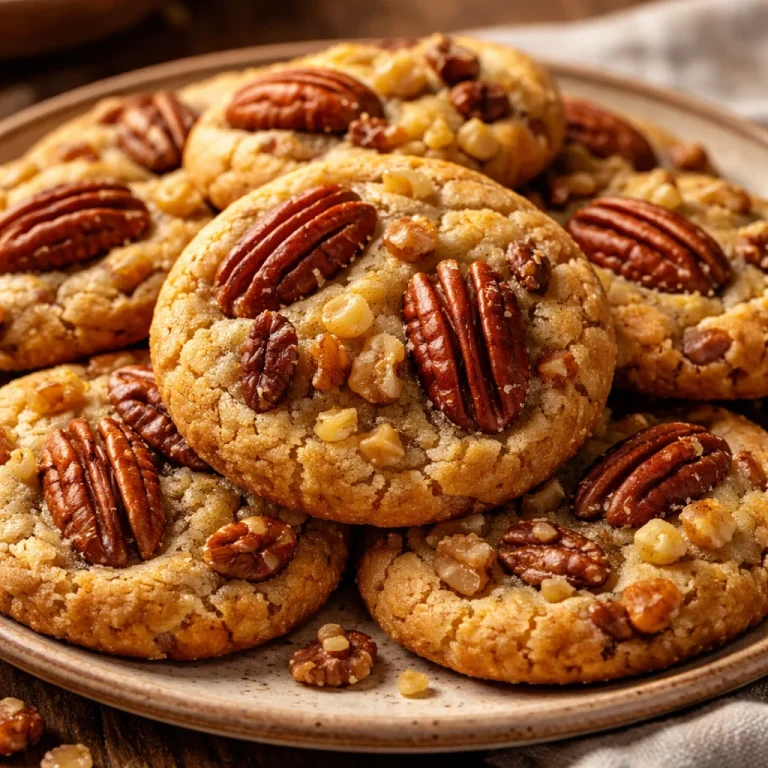
If you like nut-forward oatmeal flavors, compare texture and flavor with my take on maple pecan oatmeal cookies for another gluten-free option with crunch.
How this recipe comes together
Quick overview so you know what to expect:
- Dry ingredients are whisked together first so the coconut flour distributes evenly.
- Wet ingredients are mixed separately to ensure eggs and melted fat are smooth.
- Combine wet into dry; coconut flour absorbs moisture fast so the dough thickens quickly.
- Scoop the dough, flatten lightly if you prefer a wider cookie, and bake about ten minutes.
- Cool briefly on the sheet (they firm up as they cool), then move to a rack.
This simple flow keeps the cookies tender and prevents overworking the oats.
What you’ll need
Key ingredients (makes about 12–16 cookies depending on size):
- 1 cup coconut flour (measure accurately; scoop and level)
- 1 cup rolled oats (old-fashioned oats preferred for texture)
- 1/2 cup brown sugar or coconut sugar (for less refined option)
- 1/2 cup butter or coconut oil, melted (butter = richer flavor)
- 2 eggs
- 1 teaspoon vanilla extract
- 1/2 teaspoon baking powder
- 1/4 teaspoon salt
Notes and substitutions inline:
- Coconut flour is extremely absorbent. If your dough looks crumbly, add 1 tablespoon of milk (dairy or plant) at a time until it just holds.
- To keep the cookies dairy-free, use solid coconut oil melted or a vegan butter.
- Rolled oats add chew; quick oats will make the texture softer and denser.
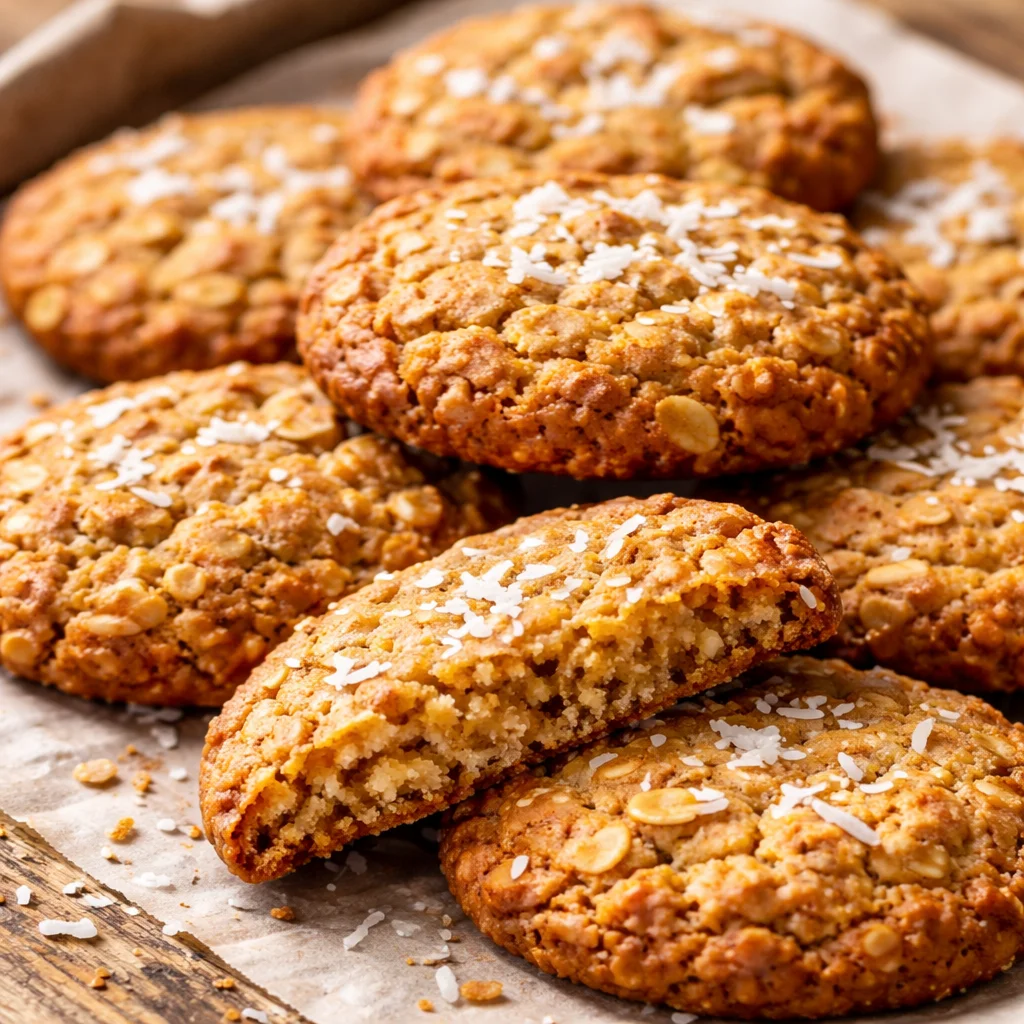
How to prepare it
- Preheat the oven to 350°F (175°C). Line a baking sheet with parchment paper.
- In a large bowl, whisk together the coconut flour, rolled oats, brown sugar, baking powder, and salt until evenly blended.
- In a separate bowl, whisk the melted butter or coconut oil with the eggs and vanilla until smooth.
- Pour the wet mix into the dry ingredients and stir until the dough comes together. It should be slightly sticky; if it’s too dry, add a teaspoon or two of milk.
- Use a cookie scoop or tablespoon to drop spoonfuls of dough onto the prepared sheet. Space them about 2 inches apart. Slightly flatten with the back of the scoop or your fingers for a flatter cookie.
- Bake 10–12 minutes, or until edges are lightly golden and centers look set.
- Let the cookies cool on the baking sheet for 3–5 minutes so they firm up, then transfer to a wire rack to cool completely.
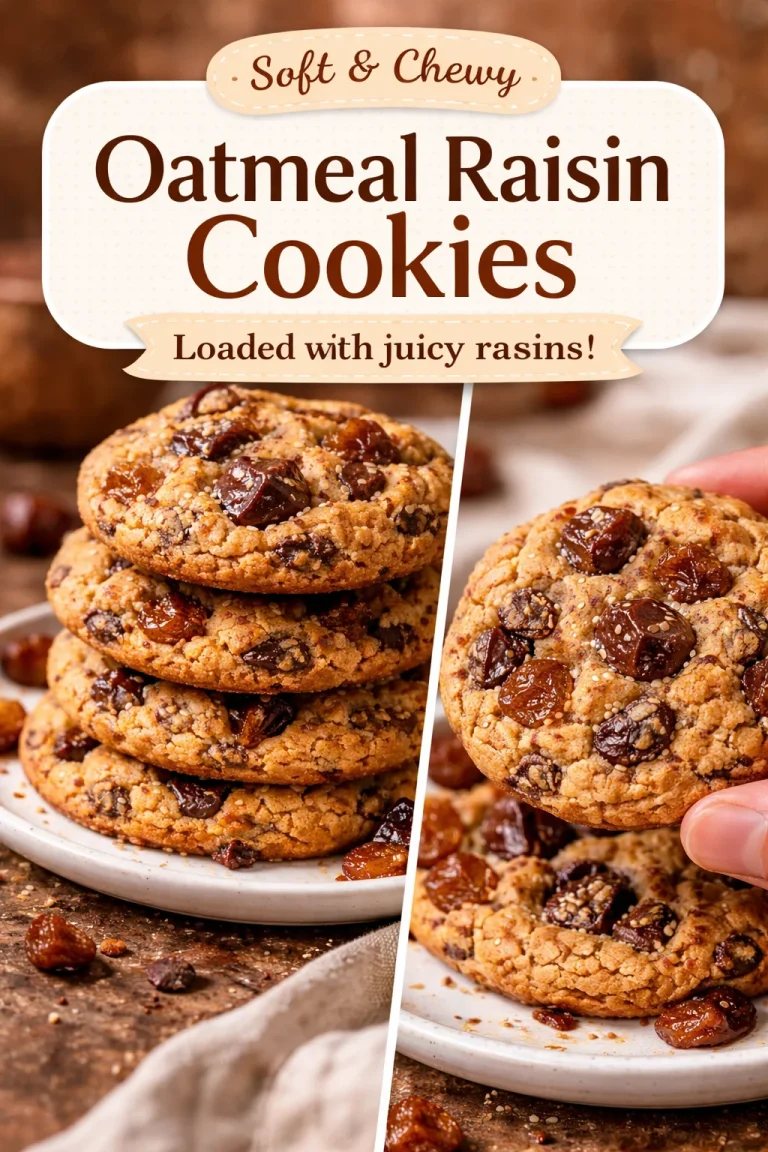
For more notes on achieving a chewy texture, you might like this method used in my chewy coconut oatmeal cookies recipe.
Best ways to enjoy it
These cookies are versatile. Serve them:
- Warm with a pat of butter or a smear of nut butter.
- Paired with coffee, tea, or a cold glass of milk for kids.
- Crumbled over yogurt or ice cream as a crunchy topping.
- Boxed up with parchment for gifts or lunchbox treats.
For an elegant platter, arrange with sliced fruit and a small bowl of honey or jam for dipping.
How to store & freeze
Short-term: Let cookies cool completely, then store in an airtight container at room temperature for up to 3 days. Add a slice of apple to the container to keep them moist (replace the apple each day).
Refrigeration: Store up to 7 days in the fridge in an airtight container.
Freezing: Layer cookies between sheets of parchment in a freezer-safe container or bag. Freeze up to 3 months. Thaw at room temperature for 20–30 minutes or warm in a 300°F (150°C) oven for 5–7 minutes.
Always follow safe food handling: cool fully before sealing to avoid condensation and potential spoilage.
Pro chef tips
- Measure coconut flour accurately—spoon into the cup and level; don’t scoop directly.
- Coconut flour soaks up liquid fast. If you plan to add mix-ins (chocolate chips, nuts), account for the extra dry weight by adding a tablespoon or two of liquid if the dough stiffens.
- For even cookies, chill the scooped dough 10–15 minutes before baking. Chilled dough spreads less.
- If you want crisper edges, flatten slightly and bake for an extra 1–2 minutes, watching closely.
- Use room-temperature eggs so they incorporate more smoothly and evenly.
Creative twists
- Mix-ins: Stir in 1/2 cup chocolate chips, chopped pecans, or dried cranberries.
- Citrus-kissed: Add 1 teaspoon grated orange or lemon zest to the wet mix.
- Spiced: Toss in 1/2 teaspoon cinnamon and a pinch of nutmeg for a warm flavor profile.
- Lower sugar: Substitute erythritol or monk fruit sweetener cup-for-cup if labeled for baking.
- Vegan attempt: Use two flax “eggs” (2 tbsp ground flax + 6 tbsp water, chilled 10 minutes), but expect a denser cookie; you may need an extra tablespoon or two of moisture.
Try a coconut-forward variation similar to my coconut oat cookies for more texture ideas.

Your questions answered
Q: How long does this recipe take from start to finish?
A: Active time is about 15 minutes mixing and scooping. Bake time is 10–12 minutes. Total time including cooling is roughly 35 minutes.
Q: Can I swap coconut flour for almond or all-purpose flour?
A: No—coconut flour is not 1:1 interchangeable. It’s much more absorbent. If you want almond flour, follow a recipe developed for almond flour (for example, see my almond flour oatmeal cookies) because ratios and egg counts differ.
Q: Will these cookies be dry?
A: They can be if the coconut flour soaks up too much liquid. Use the suggested measurements, but be ready to add a teaspoon or two of milk if the dough looks crumbly. Cooling on the baking sheet helps them finish setting without drying out.
Q: Are these cookies kid-friendly and freeze well for lunchboxes?
A: Yes. They’re simple, mildly sweet, and freeze well. Thaw in a lunchbox by midday or pop in a microwave for 10–15 seconds to warm.
Q: Can I make the dough ahead?
A: You can make the dough and refrigerate up to 24 hours. Bring it to room temperature or add a splash of milk before baking if it firms up too much.
Conclusion
If you want recipe inspiration or alternative methods, here are two helpful references with similar coconut flour oatmeal cookie ideas: Easy Coconut Flour Oatmeal Cookies – Clean Plate Mama and Coconut Flour Oatmeal Cookies | Bucket List Tummy.
Enjoy baking — and remember, coconut flour is forgiving when you watch moisture.
Coconut Flour Oatmeal Cookies

Ingredients
Dry Ingredients
- 1 cup coconut flour Measure accurately; scoop and level.
- 1 cup rolled oats Old-fashioned oats preferred for texture.
- 1/2 cup brown sugar or coconut sugar For a less refined option.
- 1/2 cup baking powder
- 1/4 teaspoon salt
Wet Ingredients
- 1/2 cup butter or coconut oil, melted Use butter for a richer flavor.
- 2 large eggs Use room temperature for better incorporation.
- 1 teaspoon vanilla extract
Instructions
Preparation
- Preheat the oven to 350°F (175°C). Line a baking sheet with parchment paper.
- In a large bowl, whisk together the coconut flour, rolled oats, brown sugar, baking powder, and salt until evenly blended.
- In a separate bowl, whisk the melted butter or coconut oil with the eggs and vanilla until smooth.
- Pour the wet mix into the dry ingredients and stir until the dough comes together. If it’s too dry, add a teaspoon or two of milk until it becomes slightly sticky.
- Use a cookie scoop or tablespoon to drop spoonfuls of dough onto the prepared sheet, spacing them about 2 inches apart. Flatten slightly with the back of the scoop or fingers.
Baking
- Bake for 10–12 minutes, or until the edges are lightly golden and centers look set.
- Let the cookies cool on the baking sheet for 3–5 minutes before transferring to a wire rack to cool completely.