Homemade Flaky Biscuit

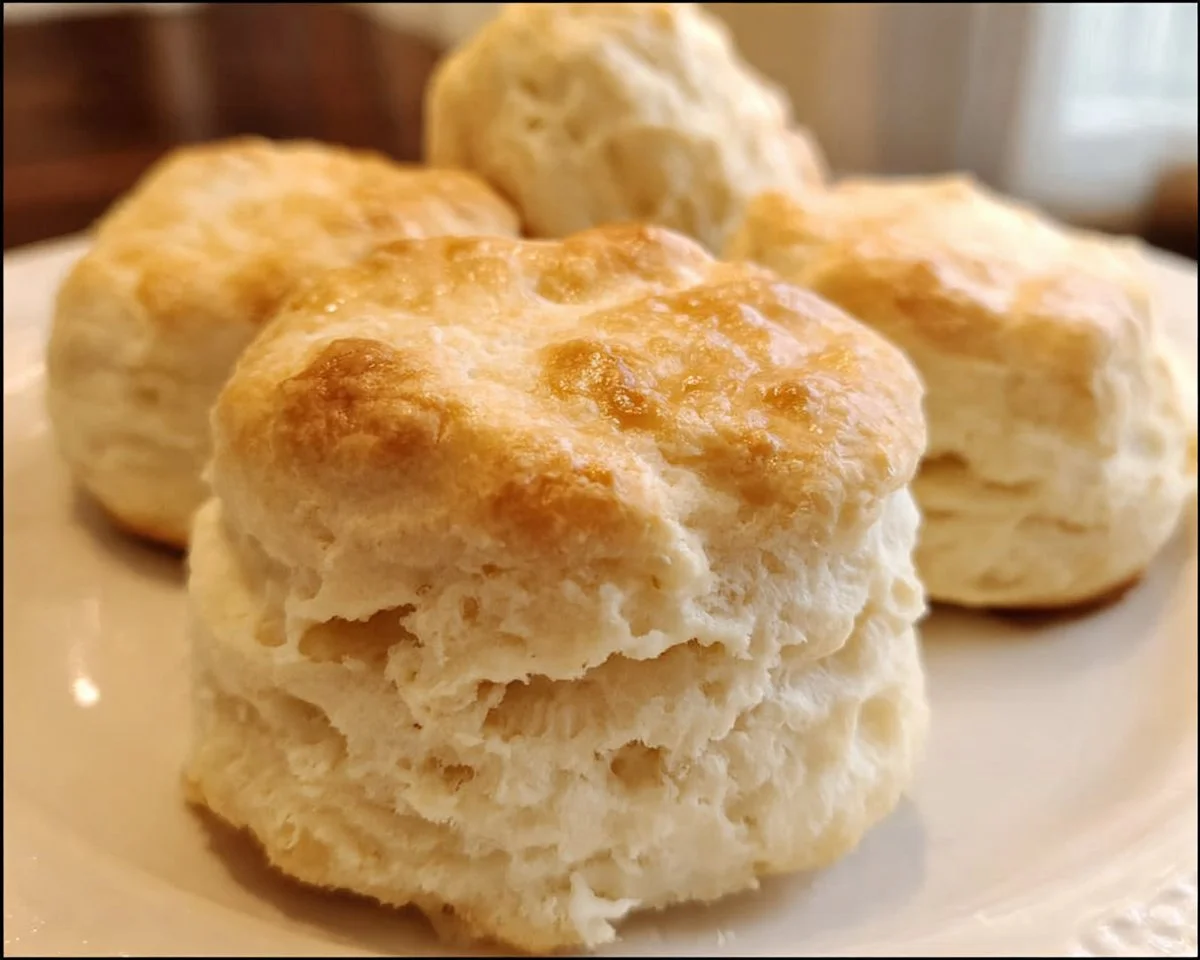
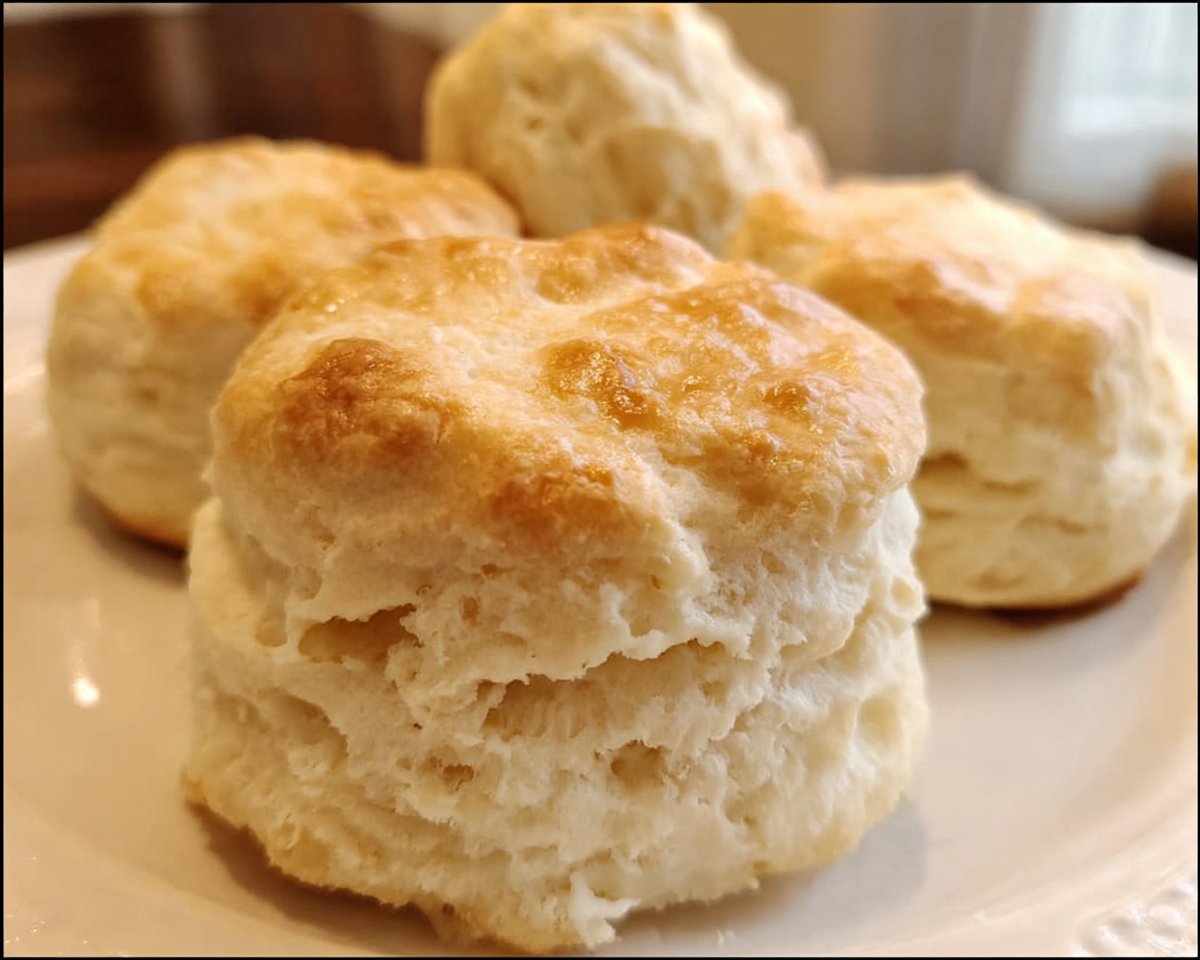
I’ve been making these simple, flaky biscuits on busy mornings and slow Sundays alike — they’re quick, forgiving, and golden on the outside with delicate layers inside. This straightforward recipe produces tender rounds that split easily for butter, jam, or a hearty biscuit sandwich. If you’ve ever wanted a reliable homemade biscuit without fuss, this one delivers.
Why you’ll love this dish
This recipe hits the sweet spot between speed and texture. With just pantry staples and a short bake time, you get biscuits that are flaky without requiring laminated dough or special equipment. They’re great for weeknight breakfasts, a brunch spread, or as a side for soup and roast dinners. Because the butter stays cold and the dough is handled gently, you’ll get lift and layers in each biscuit.
“Crisp, butter-kissed edges and a cloud-like interior — every bite feels homemade in the best way.”
Try these when you need something that feels special but doesn’t take all morning. If you want a buttery buttermilk take with similar results, see this flaky take on biscuits for inspiration: flaky buttermilk biscuits recipe.
How this recipe comes together
Overview: You’ll mix dry ingredients, cut in cold butter until the mixture looks like coarse crumbs, stir in milk, shape the dough with minimal handling, and cut rounds before a quick bake at high heat. The high oven temperature encourages oven spring so biscuits rise and develop a golden crust. Expect about 20–25 minutes total from start to finish, most of which is hands-off.
Gather these items
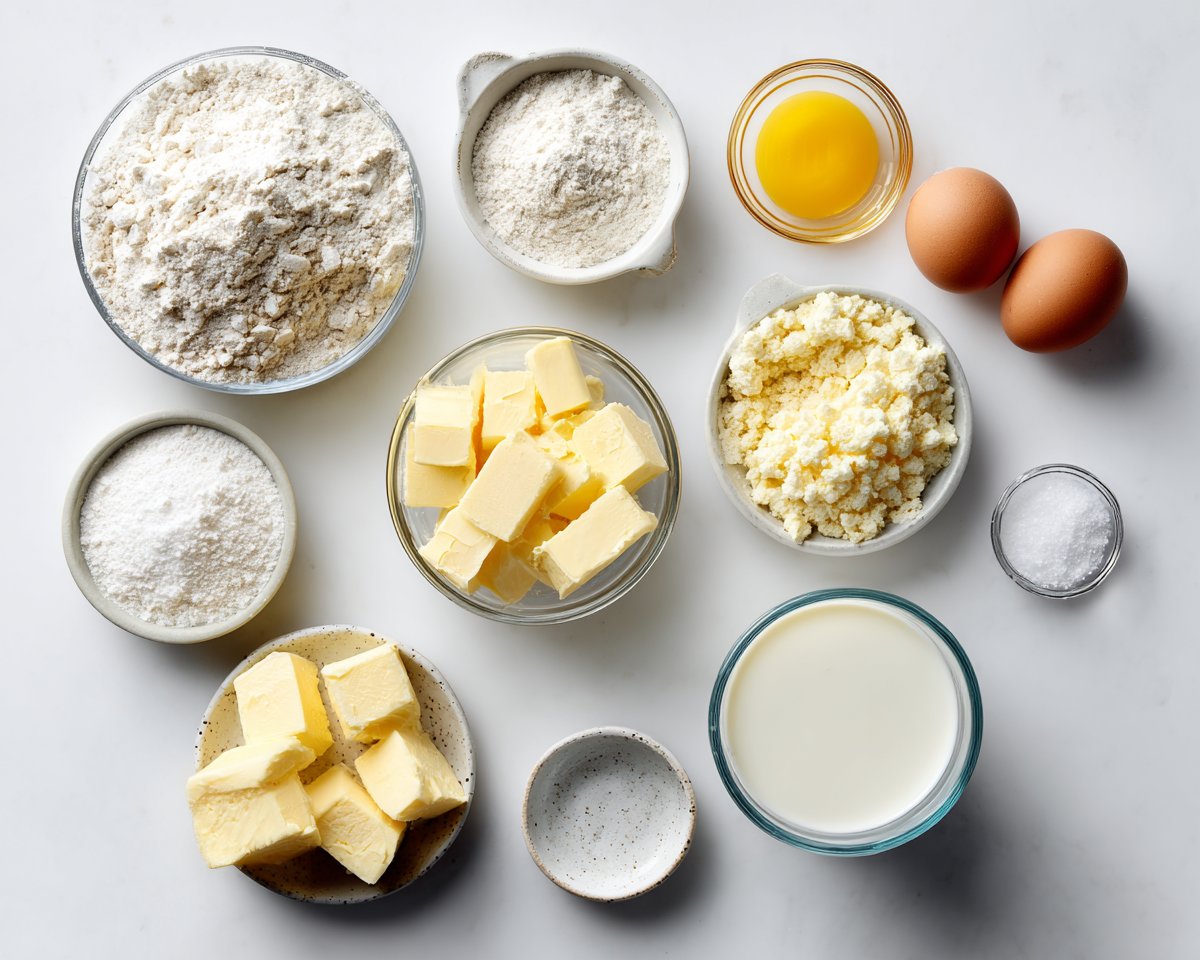
What you’ll need:
- 2 cups all-purpose flour (swap half for whole wheat for a nuttier flavor; expect a denser biscuit)
- 1 tablespoon baking powder
- 1/2 teaspoon salt
- 1/4 cup unsalted butter, cold and cubed (use chilled shortening for a slightly different flake)
- 3/4 cup milk (whole milk gives best tenderness; buttermilk makes tangier, taller biscuits)
Notes: If you don’t have unsalted butter, reduce added salt slightly. For dairy-free, use a non-dairy milk and a block of vegan butter kept very cold.
Directions to follow
- Preheat your oven to 425°F (220°C). Position a rack in the center.
- In a large bowl, whisk together the flour, baking powder, and salt until evenly combined.
- Add the cold, cubed butter to the dry mix. Use a pastry cutter, two knives, or your fingertips to cut the butter in until the mixture resembles coarse crumbs with pea-sized bits of butter.
- Pour in the milk and stir just until the dough comes together. Don’t overmix — a few streaks of flour are okay.
- Lightly flour a work surface and turn the dough out. Gently fold the dough over itself a few times to bring it together; avoid heavy kneading.
- Pat or roll the dough to about 1/2-inch thickness.
- Use a 2- to 3-inch round cutter to stamp out biscuits. Press straight down — don’t twist the cutter to keep edges sharp so biscuits rise evenly.
- Place rounds on an ungreased baking sheet (close together for softer sides, spaced apart for crisper sides).
- Bake 12–15 minutes, until tops are golden brown and edges are set. Serve warm.
Best ways to enjoy it
These biscuits are wonderfully versatile:
- Split and spread with butter and honey or jam for breakfast.
- Make classic sausage gravy over biscuits for brunch.
- Build a breakfast sandwich with eggs, cheese, and bacon.
- Serve alongside chili or creamy soup in colder months.
- For kids, offer mini biscuits with a selection of toppings to make a fun plate.
How to store & freeze
Short-term: Keep leftover biscuits in an airtight container at room temperature for up to 2 days. For best texture, reheat before serving.
Reheating: Warm biscuits in a 350°F (175°C) oven for 5–8 minutes, or microwave briefly (15–20 seconds) and finish in the oven or toaster oven to restore crispness.
Freezing: Cool baked biscuits completely, then wrap individually in plastic wrap and place in a freezer bag for up to 3 months. Reheat from frozen in a 350°F (175°C) oven for 12–15 minutes, or thaw overnight in the fridge and warm as above.
Safety note: If you add perishable toppings like sausage gravy, refrigerate leftovers within two hours and use within 3–4 days.
Pro chef tips
- Keep everything cold: chill your butter and even your bowl for extra lift. Cold butter creates steam pockets that make flakiness.
- Cut, don’t grate: for more pronounced layers, grate cold butter into the flour with a box grater — quicker and effective.
- Minimal handling: overworking develops gluten and makes tough biscuits. Fold a few times and stop.
- Size matters: don’t twist the cutter. Twisting seals edges and prevents proper rise.
- Oven spring: preheating with a baking sheet inside helps biscuits get instant heat from below for better rise.
- For a glossy top: brush melted butter or milk on buns right after they come out of the oven.
Different ways to try it
- Cheese & herb: fold 1/2 cup grated sharp cheddar and 1 tablespoon chopped chives into the dough.
- Sweet cinnamon: brush tops with melted butter and sprinkle cinnamon sugar before baking.
- Garlic-parmesan: mix 1/4 cup grated parmesan into the dry ingredients and brush with garlic butter after baking.
- Buttermilk swap: replace milk with buttermilk for tang and extra tenderness.
- Gluten-free: use a 1:1 gluten-free flour blend with xanthan gum, but expect a slightly different crumb.
Common questions
Q: Can I use butter substitutes or shortening?
A: Yes. Cold butter gives the best flavor and flaky texture. Shortening or a mix of butter and shortening can increase flakiness but will change flavor. Keep fats very cold.
Q: Can I make the dough ahead of time?
A: Yes. Shape the dough, cut rounds, then freeze the raw biscuits on a tray until firm. Transfer to a bag and keep frozen up to 3 months. Bake from frozen, adding a few extra minutes to the baking time. Or refrigerate shaped biscuits for up to 24 hours and bake straight from the fridge.
Q: Why didn’t my biscuits rise?
A: Common causes: overworking the dough, butter too warm, expired baking powder, or the oven not hot enough. Use fresh leavening and handle the dough gently.
Q: Can I use buttermilk instead of milk?
A: Absolutely. Buttermilk creates a tangier flavor and tender crumb. If using buttermilk, keep the same volume but consider reducing salt slightly to taste.
Q: How thick should I roll the dough?
A: About 1/2 inch is ideal for tall, flaky biscuits. Thinner yields crispier, flatter biscuits; thicker produces taller layers but may need extra bake time.
Conclusion
If you want more technique tips and alternate method ideas, check out this detailed guide to quick homemade biscuits at Easy Homemade Biscuits – Sugar Spun Run. For a thorough comparison of flaky approaches and troubleshooting, this write-up on biscuit structure is helpful: Best Flaky Biscuits – What Should I Make For….
Enjoy baking — these biscuits are an easy recipe to adapt and make your own.
Flaky Biscuits

Ingredients
Dry ingredients
- 2 cups all-purpose flour You can swap half for whole wheat for a nuttier flavor.
- 1 tablespoon baking powder
- 1/2 teaspoon salt Reduce added salt slightly if using salted butter.
Wet ingredients
- 1/4 cup unsalted butter, cold and cubed Chilled shortening can be used for a different flake.
- 3/4 cup milk Whole milk gives best tenderness; buttermilk for tangier biscuits.
Instructions
Preparation
- Preheat your oven to 425°F (220°C). Position a rack in the center.
- In a large bowl, whisk together the flour, baking powder, and salt until evenly combined.
- Add the cold, cubed butter to the dry mix. Use a pastry cutter or your fingertips to cut the butter in until the mixture resembles coarse crumbs with pea-sized bits of butter.
- Pour in the milk and stir just until the dough comes together. Don’t overmix — a few streaks of flour are okay.
- Lightly flour a work surface and turn the dough out. Gently fold the dough over itself a few times to bring it together; avoid heavy kneading.
- Pat or roll the dough to about 1/2-inch thickness.
- Use a 2- to 3-inch round cutter to stamp out biscuits. Press straight down — don’t twist the cutter to keep edges sharp.
- Place rounds on an ungreased baking sheet, close together for softer sides, spaced apart for crisper sides.
Baking
- Bake for 12–15 minutes, until tops are golden brown and edges are set. Serve warm.