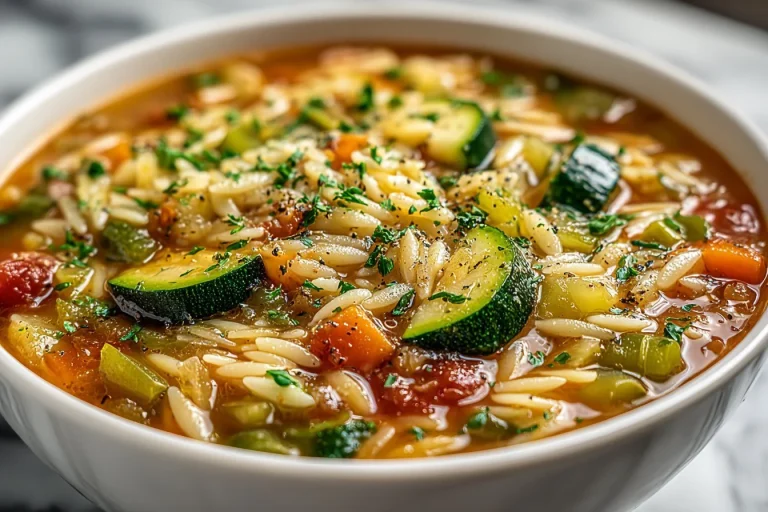
Korean Winter Soup


I grew up turning to a bubbling pot of spicy, tangy soup whenever winter bit the air — this Korean winter soup is that kind of comfort: quick to make, layered with umami from kimchi and shiitake, and warm enough to thaw out a cold evening. It’s essentially a simplified kimchi jjigae-style soup that’s forgiving, pantry-friendly, and perfect for weeknights or a light family meal. If you like brothy, slightly sour spice with soft tofu and chewy mushrooms, this will become a rotation staple. For a different kind of comforting broth, you might also enjoy this turmeric chicken soup recipe I test and adapt at home: turmeric chicken soup.
Why you’ll love this dish
This soup hits several marks at once: it’s fast, inexpensive, nourishing, and endlessly tweakable. The kimchi provides depth — a little tang and fermented complexity — while gochugaru gives color and warmth without overwhelming heat. It’s a one-pot dinner that works for solo meals, for sharing, or as part of a Korean-style spread.
“A bowlful of bright, tangy comfort — perfect after a long day. Simple ingredients, big flavor.” — A quick winter comfort review
Reasons to reach for it:
- Ready in about 30 minutes with mostly pantry items.
- Uses inexpensive tofu and mushrooms to stretch a small amount of broth.
- Great for cold-weather immunity-boosting vibes: hot liquid, garlic, fermented vegetables.
- Kid-friendly if you moderate the gochugaru and remove any whole chilis.
The cooking process explained
Quick overview so you know what to expect before you start:
- Bring the broth (or water) to a boil to make the base.
- Add kimchi, tofu, shiitake, aromatics, and seasonings.
- Simmer gently so flavors meld and the tofu soaks up the broth.
- Taste and tweak acidity, salt, or heat. Finish with sesame oil and scallions.
This is a forgiving simmer-and-taste recipe — no special equipment, no long prep, and it keeps well for leftovers.
What you’ll need
Ingredients (serves 2–3):
- 2 cups water or beef broth (use low-sodium if you’re watching salt)
- 1 cup kimchi, chopped (include a couple tablespoons of the kimchi brine for more tang)
- 1 cup tofu, diced (silken or medium-firm both work; press firmer tofu for a denser texture)
- 1 cup shiitake mushrooms, sliced (fresh or rehydrated dried shiitake)
- 1 tablespoon gochugaru (Korean red pepper flakes; reduce to 1 tsp for mild)
- 2 cloves garlic, minced
- 1 tablespoon soy sauce (or tamari for gluten-free)
- 1 teaspoon sesame oil
- Green onions, chopped for garnish
Notes and substitutions:
- No beef broth? Use water with an optional splash of fish sauce or anchovy stock for umami.
- If you don’t have gochugaru, a teaspoon of gochujang (Korean chili paste) plus a pinch of red pepper flakes can work — adjust for sweetness.
- For a heartier bowl, add rice or glass noodles at the end.
- Want to compare texture and layering techniques with other soups? Check this autumn tortellini recipe for ideas on adding protein and pasta: autumn tortellini soup.
Directions to follow
- Pour the water or beef broth into a medium pot and bring it to a rolling boil over medium-high heat.
- Add the chopped kimchi and its brine to the pot. Stir to combine and let it return to a simmer.
- Stir in the diced tofu and sliced shiitake mushrooms. Break up large tofu pieces so they’re bite-sized.
- Sprinkle in the gochugaru and add the minced garlic. Mix gently so you don’t mash the tofu.
- Add the soy sauce and sesame oil. Reduce heat to low and let the soup simmer, uncovered, for 20–30 minutes so flavors meld.
- Taste the broth and adjust seasoning: add salt, more soy sauce, or a splash of kimchi brine if it needs acidity.
- Ladle into bowls and finish with chopped green onions. Serve hot.
Keep steps simple and don’t over-stir once the tofu is in — you want intact cubes, not rubble.
Best ways to enjoy it
- Serve with a bowl of steamed rice on the side so diners can spoon broth over rice or add rice directly into the soup.
- Pair with simple banchan (side dishes): kimchi salad, blanched spinach with sesame, or quick cucumber pickles.
- For a heartier meal, add cooked short-grain rice or ramen noodles just before serving.
- Drizzle a little extra sesame oil or scatter toasted sesame seeds on top for a nutty finish.
- For restaurant-style presentation, ladle into shallow bowls and garnish with thinly sliced scallions and a few julienned chili rounds.
Storage and reheating tips
- Refrigerate leftovers within 2 hours of cooking. Store in an airtight container for 3–4 days.
- To reheat: simmer gently on the stove until steaming, or microwave in a covered bowl. Reheat to at least 165°F (74°C) for safety.
- Freezing: this soup freezes well for up to 2 months. Freeze in a shallow, airtight container and leave space for expansion. Note: tofu texture will soften after freezing; if you prefer firmer tofu, add fresh tofu when reheating.
- When thawing frozen soup, thaw overnight in the fridge before simmering to reheat evenly.
Pro chef tips
- Layer flavor: start with a good-quality broth if possible; a splash of kimchi brine brightens the final bowl.
- Manage heat: gochugaru provides flavor and color without the thicker sweetness of gochujang. Use less at first and add more after tasting.
- Tofu handling: gently fold tofu in last to keep cubes intact. For a silkier mouthfeel, use silken tofu; for chew, use firm.
- Mushrooms: rehydrate dried shiitake in warm water, then add the soaking liquid (strained) to the pot for extra umami.
- Speed shortcut: use pre-chopped kimchi and pre-sliced mushrooms to cut prep time in half. For a deeper base, briefly pan-fry kimchi with a little oil before adding broth.
For inspiration on balancing brothy flavors and aromatic layering, I sometimes reference techniques used in other soups like this turmeric chicken version: turmeric chicken soup.
Creative twists
- Protein boost: add thinly sliced beef (bulgogi-style) or shredded chicken in the last 5–7 minutes of simmering.
- Vegan/vegetarian: use water or vegetable stock and replace soy sauce with tamari if needed. Omit fish-based additives.
- Noodle soup: fold in cooked udon, somen, or glass noodles for a slurp-friendly option.
- Egg drop: beat an egg and slowly drizzle into simmering soup for ribbons of cooked egg.
- Smoky version: add a teaspoon of smoked chili oil for a different heat profile.
- Extra sour: stir in more kimchi brine or a squeeze of rice vinegar to brighten the stew.

Common questions
Q: Can I make this soup milder for kids?
A: Yes. Reduce the gochugaru to 1 teaspoon or omit it entirely. Use mild kimchi (less fermented or lower spice) and let kids have a small serving to taste before adding more heat for adults.
Q: Is it safe to use silken tofu?
A: Absolutely. Silken tofu is fine — just handle gently so it doesn’t break apart. If you want firmer texture, use medium- or firm-tofu and press briefly to remove excess water.
Q: How long does it take to develop the best flavor?
A: Simmering 20–30 minutes is enough for a bright, well-blended soup. If you want a deeper, mellower flavor, simmer up to 45 minutes — but watch tofu texture and add more liquid if it reduces too much.
Q: Can I make this ahead?
A: Yes. Make the soup, cool it, and refrigerate for up to 3 days. Reheat gently. For best tofu texture, you can add fresh diced tofu when reheating.
Q: What’s the difference between this and kimchi jjigae?
A: They’re very similar. Kimchi jjigae often uses pork or anchovy/kelp stock and sometimes gochujang. This version is a simpler, more flexible take focusing on kimchi, tofu, and shiitake.
Conclusion
If you love warming, easy Korean soups, this simple winter pot delivers big flavor with minimal fuss. For more recipes and inspiration, see this helpful roundup of winter soup ideas at 6 Best Korean Soup Recipes for Winter! – Kimchimari, and explore a broader collection of Korean soups and stews at Korean Soup and Stew – My Korean Kitchen.
Korean Kimchi Soup

Ingredients
Soup Base
- 2 cups water or beef broth Use low-sodium if watching salt.
- 1 cup kimchi, chopped Include a couple tablespoons of the kimchi brine for more tang.
Main Ingredients
- 1 cup tofu, diced Silken or medium-firm both work; press firmer tofu for a denser texture.
- 1 cup shiitake mushrooms, sliced Fresh or rehydrated dried shiitake.
Seasonings
- 1 tablespoon gochugaru Korean red pepper flakes; reduce to 1 tsp for mild.
- 2 cloves garlic, minced
- 1 tablespoon soy sauce Or tamari for gluten-free.
- 1 teaspoon sesame oil
Garnish
- to taste green onions, chopped For garnish.
Instructions
Preparation
- Pour the water or beef broth into a medium pot and bring it to a rolling boil over medium-high heat.
- Add the chopped kimchi and its brine to the pot. Stir to combine and let it return to a simmer.
Cooking
- Stir in the diced tofu and sliced shiitake mushrooms. Break up large tofu pieces so they’re bite-sized.
- Sprinkle in the gochugaru and add the minced garlic. Mix gently so you don’t mash the tofu.
- Add the soy sauce and sesame oil. Reduce heat to low and let the soup simmer, uncovered, for 20–30 minutes so flavors meld.
- Taste the broth and adjust seasoning: add salt, more soy sauce, or a splash of kimchi brine if it needs acidity.
- Ladle into bowls and finish with chopped green onions. Serve hot.