Lemon Lavender Cake Recipe || Light and Fragrant

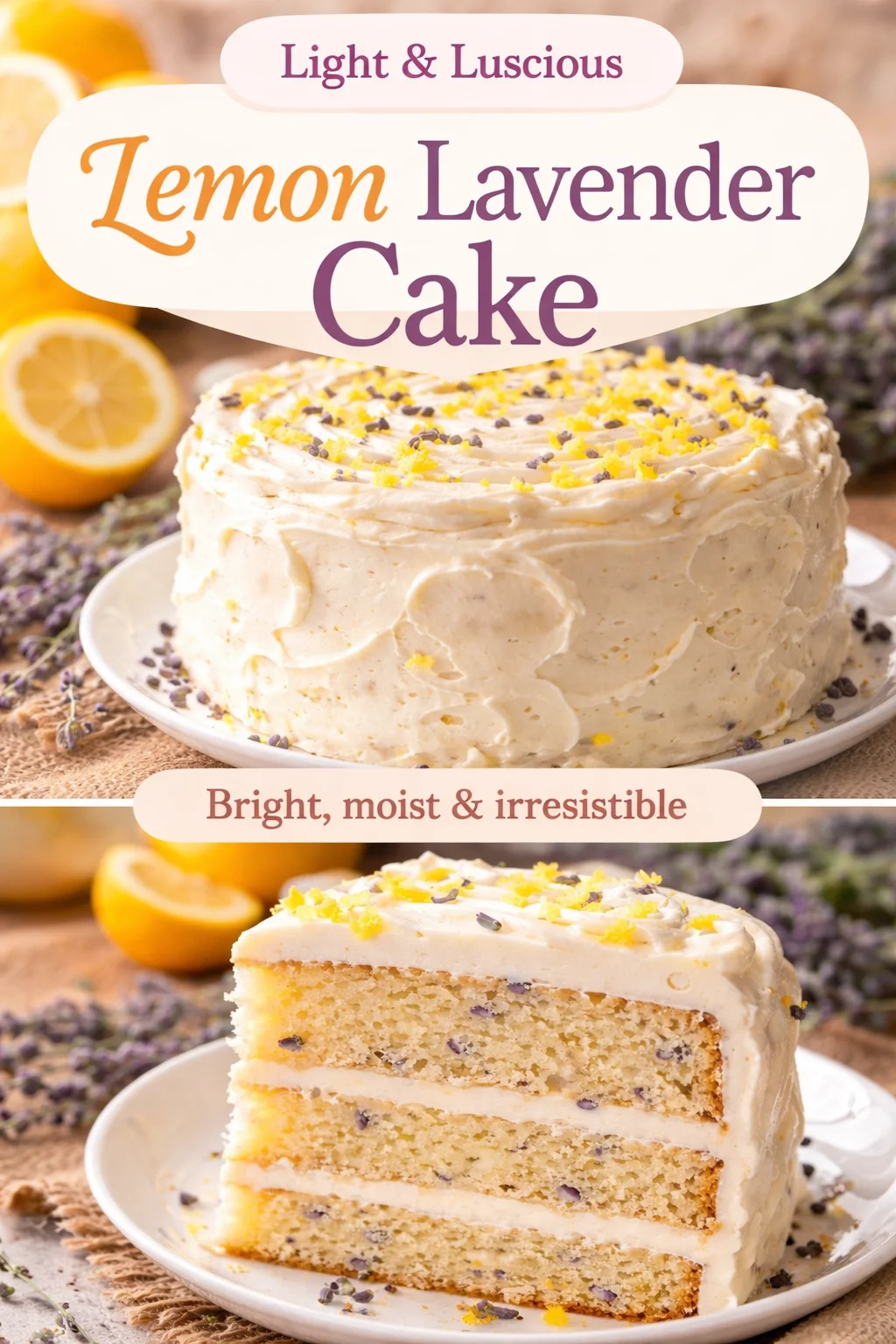
I remember the first time I paired floral lavender with bright lemon — the kitchen smelled like a spring garden. This Lemon Lavender Cake is light, fragrant, and keeps that delicate balance between citrus zip and soft floral notes. It’s perfect for a weekend brunch, a bridal shower, or whenever you want a cake that feels special but isn’t fussy. For an alternate set of notes and a slightly different method, see my lemon lavender cake notes.
What makes this recipe special
This cake blends two simple, memorable flavors in a way that feels elevated without extra work. The batter uses both oil and butter so the crumb stays moist yet tender, while a lemon-forward buttercream (made by stabilizing beaten egg whites and warmed milk) keeps the frosting light instead of heavy. The dried culinary lavender is subtle — you get perfume, not potpourri.
“A perfect spring cake: bright lemon, gentle lavender, and a cloud-like frosting — guests asked for the recipe twice.”
If you like simple, comforting bakes alongside something a touch floral, you might also enjoy this easy 5-ingredient homemade bread.
How this recipe comes together
Before you pull out your pans, here’s the quick process so you know what to expect:
- Dry ingredients (flour, leaveners, salt, and lavender) are whisked and set aside.
- Butter and sugar are creamed, then eggs go in one at a time for proper emulsion.
- Milk, lemon zest, oil, lemon juice, and vanilla are added, followed by the dry mix.
- Batter bakes in two 9-inch pans until springy and a tester comes out clean.
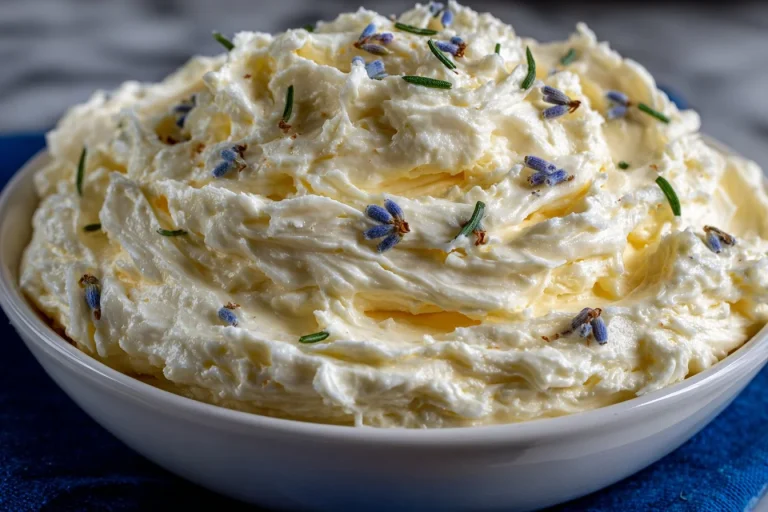
- The frosting is made by whipping egg whites to soft peaks, gradually adding powdered sugar, then tempering in a warm milk + lemon extract mixture with sour cream and butter to create a silky lemon buttercream. Optionally fold in finely ground lavender.
If you want another dessert to serve alongside or to compare technique, check this apple cheesecake crumb pie for a different approach to stabilizing dairy-based fillings: apple cheesecake crumb pie.
What you’ll need
Key ingredients
- 1 ½ cups all-purpose flour
- 1 ½ teaspoons baking powder
- ½ teaspoon baking soda
- ½ teaspoon kosher salt
- 1 cup sugar
- 2 tablespoons dried culinary lavender (culinary grade)
- ½ cup unsalted butter, room temperature (plus 2 Tbsp for frosting)
- 3 large eggs, room temperature
- 1 cup whole milk
- 2 tablespoons lemon zest (about 4 lemons)
- ½ cup vegetable oil
- 1/3 cup fresh lemon juice
- 1 teaspoon vanilla extract
- 1/3 cup whole milk (for the frosting step)
- 1 tablespoon lemon extract
- 2 ½ cups powdered sugar
- ¼ cup sour cream
- 8 large egg whites (about 260 g)
- 1 teaspoon dried culinary lavender (optional, finely ground for the frosting)
- Lemon slices and fresh lavender for decoration
Notes and substitutions:
- Use culinary-grade lavender only. If the lavender tastes medicinal on your first sniff, don’t use it.
- If you prefer no lemon extract, increase fresh lemon zest to compensate.
- For a lighter option, swap sour cream for Greek yogurt (same quantity).
- If you need a dairy-free cake, you can substitute a vegan butter and non-dairy milk, but the frosting will need a different stabilizing approach.
{image_2}
The cooking process explained
- Preheat oven to 350°F (175°C). Grease and flour two 9-inch cake pans. Whisk together flour, baking powder, baking soda, salt, and the 2 tablespoons dried lavender in a medium bowl. This distributes the lavender and leaveners evenly.
- In a separate bowl, cream the ½ cup butter and 1 cup sugar until pale and fluffy — about 3–4 minutes with a stand or hand mixer. Add the eggs one at a time, beating well after each to keep the batter from curdling.
- Add the 1 cup milk, lemon zest, ½ cup oil, 1/3 cup lemon juice, and vanilla. Mix until smooth. Fold in the dry ingredients in two additions, mixing just until combined. Overmixing = tougher crumb.
- Divide the batter between the prepared pans and bake 30–35 minutes, rotating halfway if your oven runs hot. A toothpick should come out clean or with a few moist crumbs. Cool in pans 10 minutes, then transfer to a rack to cool completely.
- For the frosting: warm the 1/3 cup milk and lemon extract in a small saucepan over low heat; don’t boil — just warm to temper the egg whites. In a clean stand mixer bowl, beat the 8 egg whites to soft peaks. Gradually add the powdered sugar and beat to stiff peaks.
- With the mixer running low, slowly stream in the warm milk mixture, then beat in the sour cream and the remaining 2 tablespoons butter until smooth and glossy. Taste and add up to 1 teaspoon finely ground lavender if you want a stronger floral note.
- When cake layers are fully cool, spread frosting on one layer, stack, then crumb-coat and finish-cover the cake. Decorate with fresh lavender sprigs and thin lemon slices. Let rest 30 minutes before slicing so flavors meld.
For tips on handling egg-white-based frostings (and similar techniques), see these meringue and cheesecake tips: meringue and cheesecake technique notes.
How to plate and pair
- Slice thin for tea service; a little goes a long way because of the fragrance.
- Pair with Earl Grey, chamomile, or a dry sparkling wine — the subtle bergamot in Earl Grey plays nicely with lavender.
- For a brunch spread, plate with a dollop of lightly sweetened mascarpone and a few fresh berries for color contrast.
- Serve chilled slightly (about 10–15 minutes out of the fridge) so the frosting keeps its structure but the cake isn’t cold.
Storage and reheating tips
- In the refrigerator: Cover the cake or store in an airtight cake carrier for up to 4–5 days. Because the frosting contains egg whites and dairy, refrigeration is necessary.
- Freezing layers: Wrap cooled unfrosted layers tightly in plastic and foil; freeze up to 2 months. Thaw overnight in the fridge before frosting.
- Never leave a frosted cake at room temperature for more than 2 hours if your kitchen is warm; food safety matters with egg whites and dairy.
- To refresh slices, leave them at room temperature 20–30 minutes before serving or warm gently in a 300°F oven for 5–7 minutes (unfrosted slices) to revive the crumb.
Pro chef tips
- Bloom the lavender: grind the dry lavender lightly in a spice grinder and steep a portion briefly in warm milk to release oils; strain before adding if you want a very even fragrance.
- Room-temperature ingredients mix more uniformly. Bring eggs and butter out 30–60 minutes before baking.
- Don’t skip creaming: proper creaming traps air for lift and a lighter crumb.
- If the frosting looks grainy after adding powdered sugar, beat longer and ensure the sugar was fully sifted.
- Use a microplane for zest; avoid the white pith which adds bitterness.
- Stick to culinary lavender (Lavandula angustifolia) — decorative lavender varieties can taste harsh.
Creative twists
- Olive oil swap: replace the ½ cup vegetable oil with high-quality mild olive oil for a Mediterranean twist (use ¼ cup olive oil + ¼ cup vegetable oil if you prefer a subtler note).
- Lavender syrup glaze: make a simple lavender-lemon syrup (equal parts sugar and water, with lemon zest and lavender simmered and strained) to brush on hot layers for extra moisture.
- Almond variation: fold ½ cup ground almonds into the dry ingredients for a denser, nuttier crumb.
- Gluten-free: sub 1:1 gluten-free flour blend; add 1/4 teaspoon xanthan gum if your blend lacks it.
- Vegan: replace eggs with a commercial egg replacer and use aquafaba (chickpea liquid) whipped to stiff peaks for the frosting — results will differ but are possible.
{image_1}
Your questions answered
Q: Can I use fresh lavender instead of dried?
A: Fresh lavender has a different moisture content and can be milder or greener-tasting. Use dried culinary lavender for consistent flavor. If you only have fresh, use about double the volume, finely chopped, and slice a small test cake first.
Q: Is the frosting safe? It uses raw egg whites.
A: The frosting involves beating raw egg whites but you temper them with warm milk and sugar which raises the mixture’s temperature. For extra safety, use pasteurized egg whites or briefly heat the eggs and sugar over a double boiler to 160°F while whisking (like a Swiss meringue method) before beating.
Q: Can I make this ahead for an event?
A: Yes. Bake layers and freeze them wrapped for up to 2 months. Make the frosting the day before and refrigerate, then bring to room temperature and re-whip slightly before frosting. Fully frosted cakes keep 24 hours at room temp (cool kitchen), but refrigerate for longer storage.
Q: My frosting split/separated — how do I fix it?
A: Beat in a teaspoon of warm water or a small bit of whipped egg white to bring it back together. If it’s very oily, chilling briefly and then re-whipping can help.
Conclusion
If you’re looking for a cake that’s both elegant and approachable, this lemon lavender version is a winner — fragrant, balanced, and forgiving for home bakers. For a different but complementary lemon-lavender angle, read the lemon olive oil pairing and method at Lemon, Olive Oil and Lavender Cakes | Chew Town Food Blog. For another lush take on lemon lavender frosting and decoration, see this detailed recipe guide at Luscious Lemon Lavender Cake – The Sugar Coated Cottage.
Lemon Lavender Cake
Ingredients
Cake Ingredients
- 1 ½ cups all-purpose flour
- 1 ½ teaspoons baking powder
- ½ teaspoon baking soda
- ½ teaspoon kosher salt
- 1 cup sugar
- 2 tablespoons dried culinary lavender
- ½ cup unsalted butter, room temperature
- 3 large eggs, room temperature
- 1 cup whole milk
- 2 tablespoons lemon zest
- ½ cup vegetable oil
- ⅓ cup fresh lemon juice
- 1 teaspoon vanilla extract
Frosting Ingredients
- ⅓ cup whole milk
- 1 tablespoon lemon extract
- 2 ½ cups powdered sugar
- ¼ cup sour cream
- 8 large egg whites
- 1 teaspoon dried culinary lavender (optional, finely ground)
For Decoration
- Lemon slices and fresh lavender
Instructions
Preparation
- Preheat oven to 350°F (175°C) and grease and flour two 9-inch cake pans.
- In a medium bowl, whisk together flour, baking powder, baking soda, salt, and lavender; set aside.
- In a separate bowl, cream the butter and sugar until pale and fluffy, about 3-4 minutes.
- Add eggs one at a time, beating well after each addition.
- Add milk, lemon zest, ½ cup oil, lemon juice, and vanilla. Mix until smooth.
- Fold in dry ingredients in two additions, mixing just until combined.
Baking
- Divide the batter between the prepared pans and bake for 30-35 minutes, rotating halfway through.
- Check with a toothpick; it should come out clean or with a few moist crumbs.
- Cool in pans for 10 minutes, then transfer to a rack to cool completely.
Frosting
- In a small saucepan, warm milk and lemon extract over low heat; do not boil.
- In a clean stand mixer bowl, beat the egg whites to soft peaks. Gradually add powdered sugar and beat to stiff peaks.
- With the mixer running low, slowly stream in the warm milk mixture, then beat in sour cream and the remaining butter until smooth.
- Optionally, fold in finely ground lavender.
Assembly
- Spread frosting on one layer, stack, then crumb-coat and finish-cover the cake.
- Decorate with fresh lavender sprigs and thin lemon slices.
- Let the cake rest for 30 minutes before slicing.