Oat Biscuits

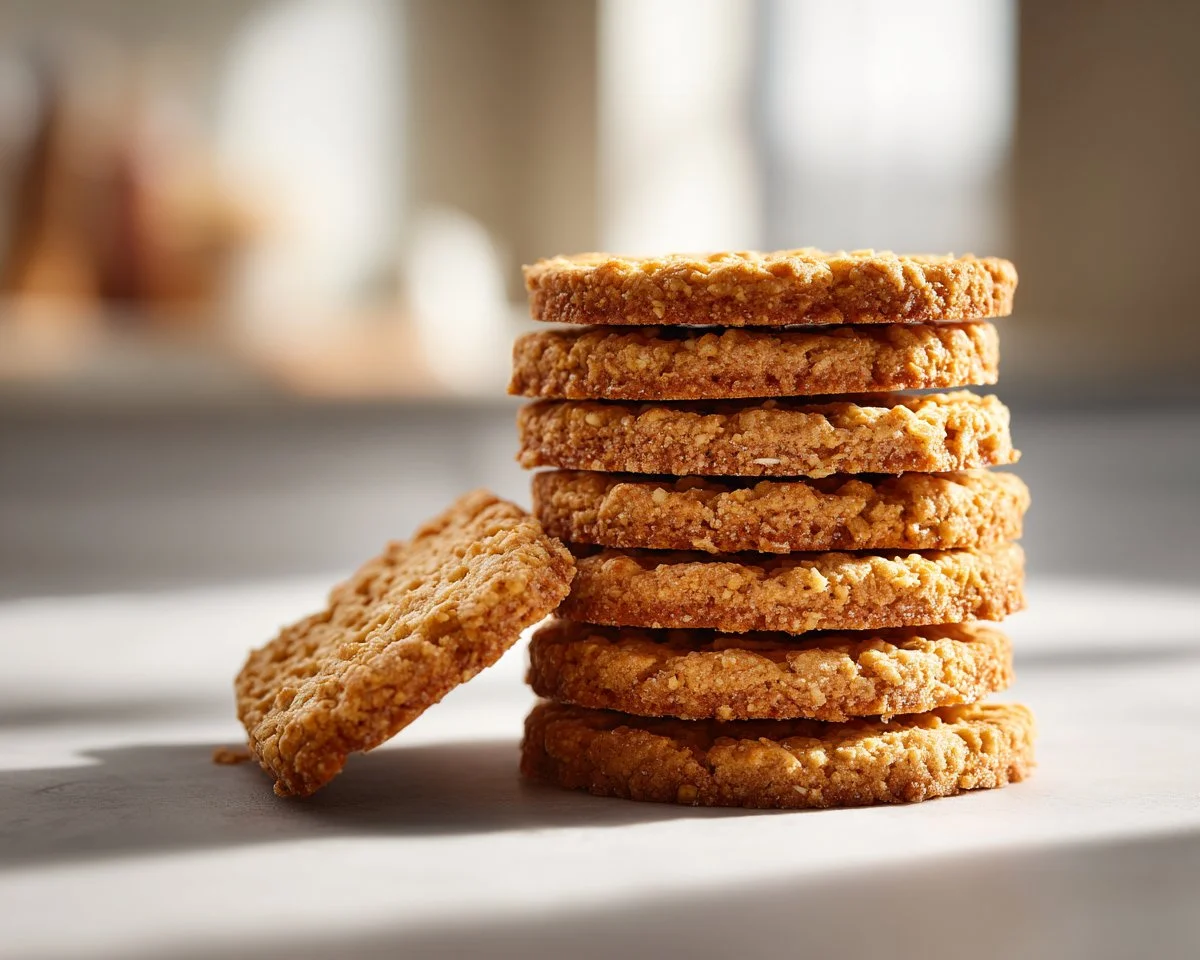
I still remember the first time I baked these oat biscuits — the kitchen smelled like warm brown sugar and vanilla, and the texture was just right: slightly crumbly at the edges with a tender, oat-forward crumb. These simple oat biscuits are an everyday cookie: quick to mix, forgiving, and perfect for dunking in tea, packing into lunchboxes, or serving at a casual brunch.
Why you’ll love this dish
These oat biscuits are a tiny celebration of pantry-friendly baking. They come together with basic staples, take under 30 minutes from start to finish, and give you a cookie that’s both rustic and comforting. They’re ideal when you want something homey without fuss — great for after-school snacks, a last-minute plate for guests, or when baking with kids.
“Soft, buttery, and just the right oatty chew — these became our go-to whenever friends popped in.” — a quick kitchen review
Because they rely on rolled oats and brown sugar, they have a deeper, nuttier sweetness than a plain sugar cookie. If you like oat-based treats, you might also enjoy the flavor play in this oatmeal carrot apple pie that uses oats in a different, fruit-forward way.
Step-by-step overview
Before you start, know what’s coming: you’ll mix dry ingredients, cut in softened butter until crumbly, add milk and vanilla to form a soft dough, drop spoonfuls on a sheet, and bake until golden. No chilling required, no rolling — just scoop, flatten a touch, and bake. Expect about 12–15 minutes in the oven and a short cool-down before eating.
What you’ll need
- 1 cup rolled oats (old-fashioned) — for texture; quick oats will work but create a softer crumb.
- 1 cup all-purpose flour — can use a gluten-free 1:1 blend to make them gluten-free (check blend for xanthan).
- 1/2 cup brown sugar — light or dark; gives moisture and a toffee note.
- 1/2 teaspoon baking soda
- 1/2 teaspoon salt
- 1/2 cup butter, softened — softened, not melted; butter flavor is central. (For dairy-free, use vegan butter with similar water content.)
- 1/4 cup milk — any milk will do (dairy, almond, oat); use slightly less non-dairy if it’s thin.
- 1 teaspoon vanilla extract
Notes and swaps: add 1/4 cup chopped nuts or chocolate chips for variation. If you want a more cake-like biscuit, swap 2 tablespoons of the flour for cornstarch. For a chewier biscuit, replace 2 tablespoons of brown sugar with an equal amount of molasses.

Step-by-step instructions
- Preheat the oven to 350°F (175°C). Line a baking sheet with parchment or lightly grease it.
- In a large bowl, whisk together the rolled oats, all-purpose flour, brown sugar, baking soda, and salt.
- Add the softened butter. Use a pastry cutter or your fingertips to rub the butter into the dry mix until it looks crumbly and pea-sized bits remain.
- Stir in the milk and vanilla. Mix just until a soft dough comes together — don’t overwork it.
- Drop rounded spoonfuls of dough onto the prepared sheet, spacing them an inch or two apart. Flatten each slightly with the back of the spoon.
- Bake for 12–15 minutes, until edges are lightly golden. Rotate the pan at 8 minutes if your oven runs hot.
- Transfer biscuits to a rack and let cool for 10 minutes before serving.
Pro tip: for uniformly sized biscuits use a small ice cream scoop. Smaller cookies will take less time; larger ones may need an extra 2–3 minutes.
Best ways to enjoy it
These oat biscuits are versatile. Serve them warm with:
- a pat of butter or a smear of apple butter;
- alongside a hot mug of tea or coffee for dunking;
- with a scoop of yogurt and fresh fruit for a rustic brunch plate.
If you like oat bars with fruit, try pairing these with a slice of apple pie oatmeal bars for a cozy spread. For a more indulgent dessert, sandwich two biscuits with Nutella or salted caramel.
Storage and reheating tips
Store cooled biscuits in an airtight container at room temperature for up to 3 days. If they soften too much, re-crisp in a 300°F (150°C) oven for 5–7 minutes. To freeze, layer biscuits between parchment in a freezer-safe bag for up to 3 months. Thaw at room temperature or warm in a low oven for a few minutes.
Food safety note: because these contain butter and milk but are baked, normal room-temperature storage is fine for the short term. If your kitchen is very hot (above 75°F/24°C) or you add perishable fillings (cream, cheese), refrigerate.
Pro chef tips
- Use chilled baking sheets for better oven spring; warm pans can spread cookies more.
- Don’t melt the butter — softened butter creates those tiny air pockets that give structure.
- If you want a finer texture, pulse the oats in a food processor once or twice before mixing.
- Brown sugar packs moisture; measure it by spooning into the cup and leveling, or lightly pack for slightly chewier biscuits.
- Watch the first batch closely — bake times vary by oven and cookie size.
I also find that these work well if you want a similar result to airy drop biscuits — for a softer rise, a quick look at an airy recipe like these angel biscuits gives technique inspiration (but don’t confuse the recipes — they differ in leavening and method).
Creative twists
- Chocolate chunk & sea salt: fold in 1/3 cup chopped chocolate and sprinkle salt right after baking.
- Maple-walnut: swap vanilla for 1 teaspoon maple extract and add 1/4 cup chopped toasted walnuts.
- Cranberry-orange: add 1/3 cup dried cranberries and 1 teaspoon orange zest.
- Vegan/dairy-free: use vegan butter and unsweetened almond or oat milk. Increase milk by a tablespoon if dough seems dry.
- Spice it up: 1/2 teaspoon cinnamon and a pinch of nutmeg make these fall-ready.
Common questions
Q: How long do these take to make from start to finish?
A: About 25–30 minutes total: 10 minutes to mix and scoop, 12–15 minutes to bake, plus a short cool-down.
Q: Can I use quick oats instead of rolled oats?
A: Yes. Quick oats will yield a softer, less chewy texture. If you prefer chew, stick with old-fashioned rolled oats.
Q: Can I make the dough ahead of time?
A: You can mix the dough and refrigerate it for up to 24 hours. Let it rest 10–15 minutes at room temperature before scooping if the butter firms up too much.
Q: Are these gluten-free?
A: Not as written — use a certified gluten-free 1:1 flour blend and certified gluten-free oats to make them gluten-free.
Q: How do I make them crunchier?
A: Bake an extra 2–4 minutes and cool on the sheet a bit longer. Slightly flattening the dough before baking also promotes crisper edges.
Conclusion
If you want a quick, reliable biscuit with a wholesome oat flavor, this recipe delivers. For inspiration and similar oat-forward creations, try this Easy Oat Biscuits (Homemade Hobnobs) guide or explore a maple-scented variation with the Maple Oatmeal Biscuits recipe.
Enjoy baking — and don’t forget to nibble one warm from the oven.
Oat Biscuits
Ingredients
Dry Ingredients
- 1 cup rolled oats (old-fashioned) Quick oats will create a softer crumb.
- 1 cup all-purpose flour Can use a gluten-free 1:1 blend.
- 1/2 cup brown sugar Light or dark for moisture and toffee note.
- 1/2 teaspoon baking soda
- 1/2 teaspoon salt
Wet Ingredients
- 1/2 cup butter, softened Not melted; for dairy-free, use vegan butter.
- 1/4 cup milk Any milk will do; use slightly less non-dairy if thin.
- 1 teaspoon vanilla extract
Instructions
Preparation
- Preheat the oven to 350°F (175°C). Line a baking sheet with parchment or lightly grease it.
- In a large bowl, whisk together the rolled oats, all-purpose flour, brown sugar, baking soda, and salt.
- Add the softened butter. Use a pastry cutter or your fingertips to rub the butter into the dry mix until it looks crumbly and pea-sized bits remain.
- Stir in the milk and vanilla. Mix just until a soft dough comes together — don’t overwork it.
Baking
- Drop rounded spoonfuls of dough onto the prepared sheet, spacing them an inch or two apart. Flatten each slightly with the back of the spoon.
- Bake for 12–15 minutes, until edges are lightly golden. Rotate the pan at 8 minutes if your oven runs hot.
- Transfer biscuits to a rack and let cool for 10 minutes before serving.