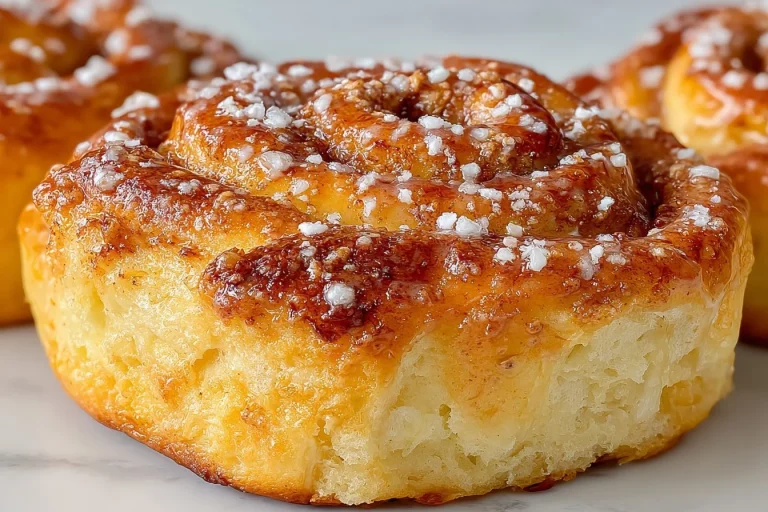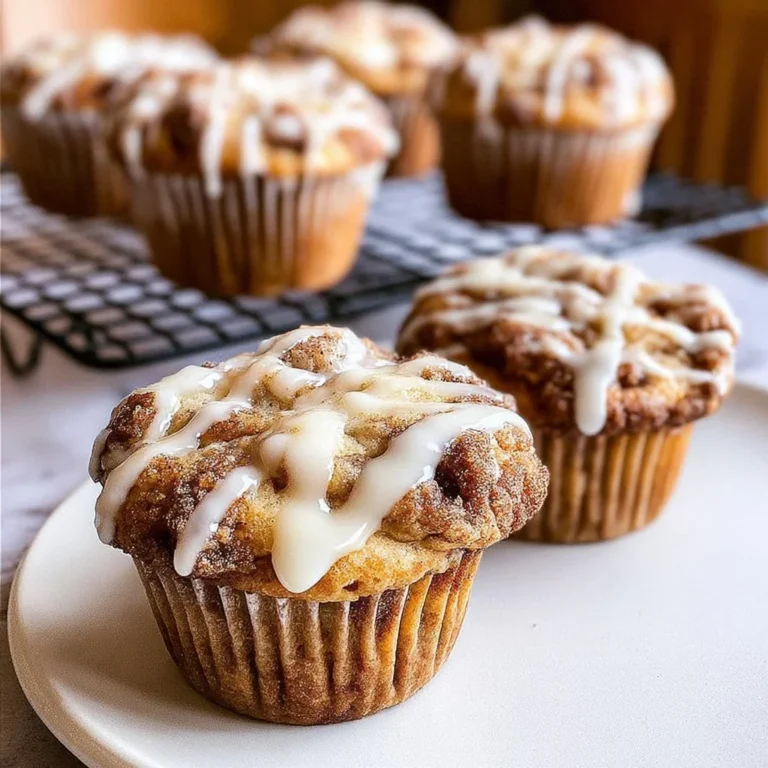
Super Easy Homemade Biscuits without Buttermilk


I always keep this quick biscuit dough in my back pocket for mornings when I want something warm and buttery on the table in under 30 minutes. These Super Easy Homemade Biscuits without Buttermilk are forgiving, require pantry staples, and come together with a few simple techniques that yield tender, flaky rounds any cook can pull off.
Why you’ll love this dish
These biscuits are literally the definition of comfort food that’s fast and affordable. No buttermilk? No problem — the recipe uses plain milk (or a non-dairy milk) and a higher baking powder ratio to get lift and a tender crumb. They’re perfect for rushed breakfasts, last-minute brunches, or as a quick side to soups and stews.
“Flaky on the inside and golden on the outside — the easiest biscuit recipe I’ve made. Perfect for slathering in butter and honey.” — a regular tester
They’re also great when you want a reliable dough you can tweak. If you enjoy other simple doughs, you might like this no-yeast pizza dough too: no-yeast pizza dough.
Step-by-step overview
Before you start: this recipe is all about keeping ingredients cold, mixing just until combined, and handling the dough gently. Expect about 5–10 minutes active prep and 12–15 minutes baking. The basic flow: mix dry ingredients → cut in cold butter → add milk and combine → shape and cut → bake until golden.
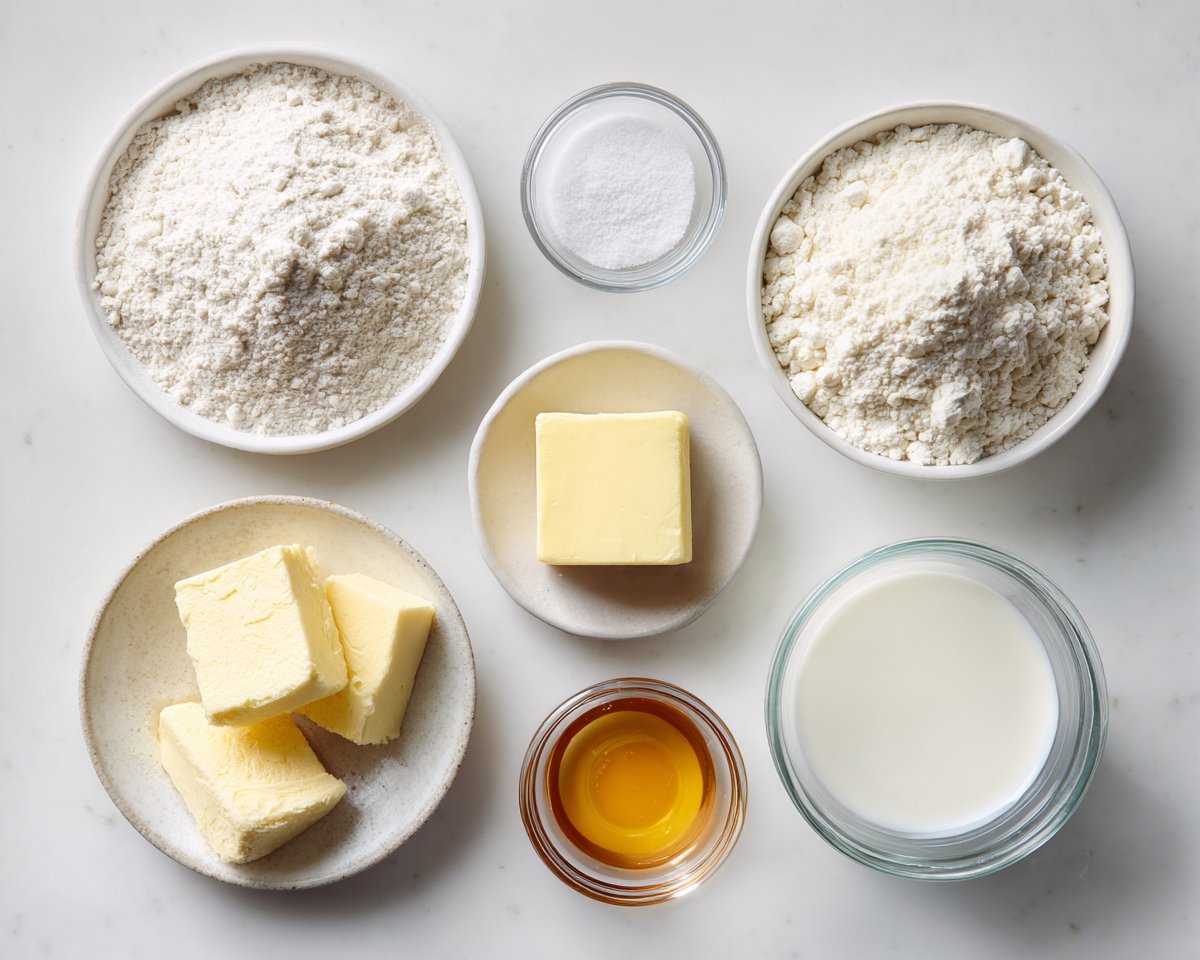
What you’ll need
- 2 cups all-purpose flour
- 1 tablespoon baking powder
- 1/2 teaspoon salt
- 1/4 cup unsalted butter, cold (cut into cubes)
- 3/4 cup milk (dairy or unsweetened non-dairy alternative)
- 1 tablespoon honey (optional, for serving)
Notes and substitutions:
- Use chilled butter for better flakiness; you can grate the butter for even easier work.
- If you prefer a slightly richer biscuit, swap 2 tablespoons of milk for sour cream or yogurt.
- For a dairy-free version, use a plant milk and vegan butter.
- Want a different quick baked good? Try these 30-minute soft pretzels for a savory twist: 30-minute soft pretzels.
Step-by-step instructions
- Preheat the oven to 425°F (220°C). Line a baking sheet or lightly grease it.
- In a large bowl, whisk together the flour, baking powder, and salt.
- Add the cold butter. Use a pastry cutter, two forks, or your fingertips to cut the butter into the flour until the mixture looks like coarse crumbs with pea-sized bits of butter.
- Pour in the milk slowly. Stir with a wooden spoon or spatula just until the dough comes together — don’t overmix.
- Lightly flour a work surface and turn the dough out. Knead gently 4–5 times to bring the dough into a smooth ball.
- Flatten the dough with your hands or a rolling pin to about 1 inch thick. Use a round cutter to cut biscuits; press straight down without twisting.
- Place the rounds on the prepared sheet. For softer sides, place rounds close together; for crispier edges, space them apart.
- Bake 12–15 minutes, until the tops are golden brown. Serve warm with butter and optional honey.
Best ways to enjoy it
- Split and smear with salted butter and a drizzle of honey.
- Serve alongside scrambled eggs and sautéed greens for a complete brunch.
- Use as the base for quick breakfast sandwiches — layer ham, cheese, and a fried egg.
- Pair with a bowl of chili, chicken stew, or pot roast to soak up sauces.
- For a Southern-style biscuit, top with sausage gravy.
Storage and reheating tips
- Room temperature: Store cooled biscuits in an airtight container for up to 2 days.
- Refrigerator: Keep in a sealed container for up to 5 days. Cool to room temperature before refrigerating to avoid condensation.
- Freezing: Wrap biscuits individually in plastic wrap and place in a freezer bag for up to 3 months. Thaw overnight in the fridge or reheat from frozen.
- Reheat: Warm in a 350°F (175°C) oven for 5–10 minutes until heated through. For a quick fix, microwave 10–15 seconds but beware it softens the crust.
Follow safe food-handling: cool fully before sealing, and discard any biscuits left out more than 2 hours at room temperature (1 hour if above 90°F).
Pro chef tips
- Keep everything cold — especially the butter. Cold butter creates steam pockets as it melts, giving you flaky layers.
- Don’t overwork the dough. Minimal kneading keeps the biscuits tender.
- Press straight down with the cutter; twisting seals the edges and prevents rise.
- If your oven runs hot or cool, rotate the pan halfway through baking and check earlier. A golden top and firm bottom mean done.
- For extra rise, stack and gently press cut rounds together rather than rerolling scraps — folds add lift.
- If you’re short on a cutter, use a drinking glass with a sharp rim.
Also try a different quick-bread technique if you like hand-shaped doughs — for another simple dough-based snack, see this easy homemade soft pretzels method: easy homemade soft pretzels.
Creative twists
- Cheddar and chive: Fold 1/2 cup shredded sharp cheddar and 2 tablespoons chopped chives into the dough.
- Garlic-herb: Brush tops with melted butter mixed with garlic powder and chopped herbs right out of the oven.
- Sweet biscuits: Add 1–2 tablespoons sugar and fold in 1/3 cup dried fruit for breakfast scones-style treats.
- Whole wheat swap: Replace up to half the flour with whole wheat for nuttier flavor; expect slightly denser biscuits.
- Buttermilk mimic: If you prefer the tang of buttermilk, add 1 tablespoon vinegar or lemon juice to the milk and let rest 5 minutes before adding.

Common questions
Q: Can I use self-rising flour instead of all-purpose?
A: Yes, but omit the baking powder and salt called for in the recipe. Self-rising flour already contains leavening and salt; follow the package guidance for proportions.
Q: I don’t have cold butter. What’s the best substitute?
A: You can chill grated butter in the freezer for 5–10 minutes to get it cold quickly. Cold vegetable shortening also works but changes flavor and texture slightly.
Q: How do I get extra-flaky layers?
A: Keep butter in larger pea-sized bits, and do not overwork the dough. Fold and press rather than rolling thinly and re-rolling scraps.
Q: Can I make the dough ahead?
A: Yes. Make the dough, cut the rounds, and freeze them on a sheet tray. Once frozen, transfer to a bag. Bake from frozen adding a few extra minutes to time.
Q: What’s the best way to reheat frozen biscuits?
A: Thaw overnight in the fridge, then reheat in a 350°F oven for 8–12 minutes. For frozen-to-oven, add 4–6 minutes to baking time and watch for browning.
Conclusion
If you want more step-by-step variations or inspiration for quick biscuit techniques, check out this take on Easy Homemade Biscuits without Buttermilk (30 minute Biscuit …). For another highly rated easy-biscuit tutorial and tips, this Easy Homemade Biscuits – Sugar Spun Run post is a great reference.
Homemade Biscuits

Ingredients
Main Ingredients
- 2 cups all-purpose flour
- 1 tablespoon baking powder
- 1/2 teaspoon salt
- 1/4 cup unsalted butter, cold (cut into cubes) Use chilled butter for better flakiness.
- 3/4 cup milk (dairy or unsweetened non-dairy alternative) For a dairy-free version, use plant milk.
- 1 tablespoon honey (optional, for serving)
Instructions
Preparation
- Preheat the oven to 425°F (220°C). Line a baking sheet or lightly grease it.
- In a large bowl, whisk together the flour, baking powder, and salt.
- Add the cold butter. Use a pastry cutter, two forks, or your fingertips to cut the butter into the flour until the mixture looks like coarse crumbs with pea-sized bits of butter.
- Pour in the milk slowly. Stir with a wooden spoon or spatula just until the dough comes together — don’t overmix.
- Lightly flour a work surface and turn the dough out. Knead gently 4–5 times to bring the dough into a smooth ball.
- Flatten the dough with your hands or a rolling pin to about 1 inch thick. Use a round cutter to cut biscuits; press straight down without twisting.
- Place the rounds on the prepared sheet. For softer sides, place rounds close together; for crispier edges, space them apart.
- Bake 12–15 minutes, until the tops are golden brown. Serve warm with butter and optional honey.