Perfect Yeast Doughnuts

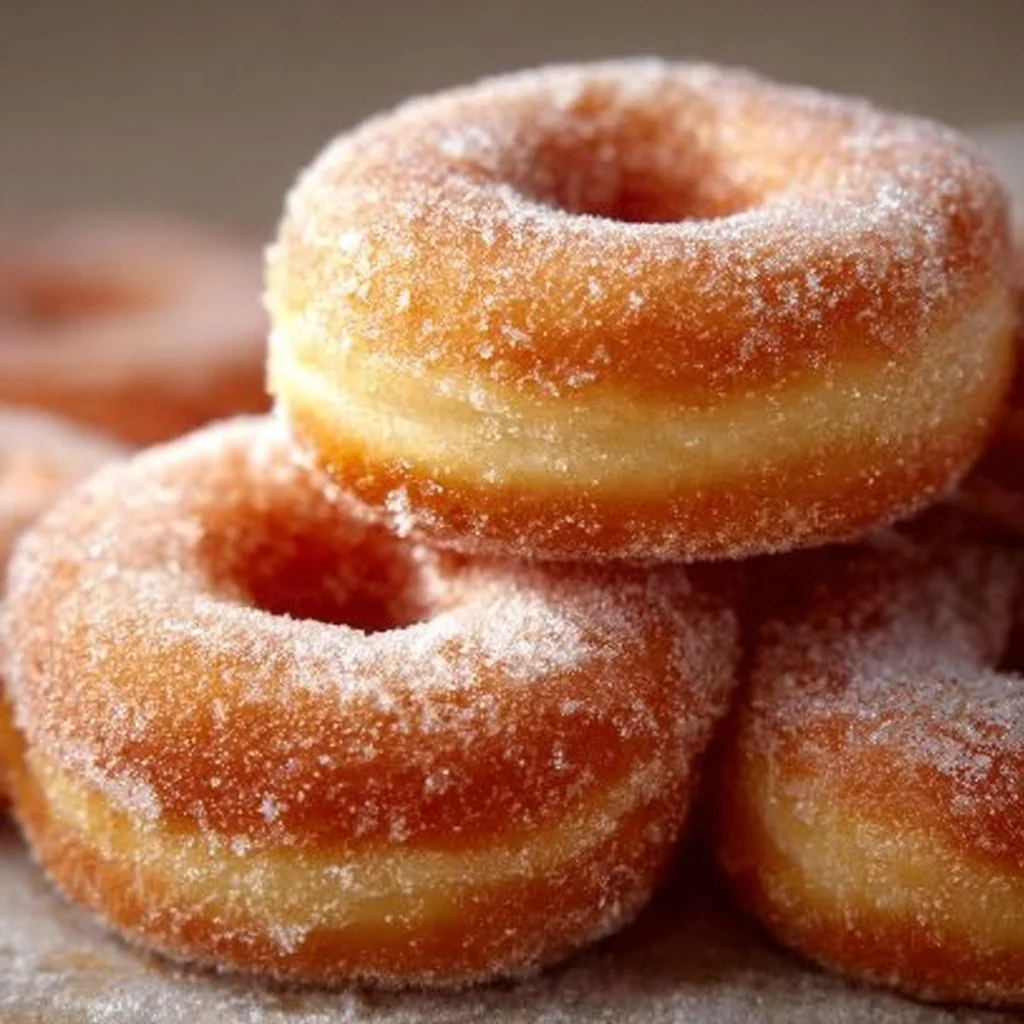
I’ve made these doughnuts on slow Saturday mornings and on busy holiday brunches — they’re the kind that smell like nostalgia and vanish fast. This recipe delivers light, pillowy yeast doughnuts dusted in powdered sugar: classic, quick enough for a weekend, and forgiving for cooks who don’t fry every day. If you’re craving a soft, old-fashioned fried doughnut that’s better than store-bought, this is the one to try.
Why you’ll love this dish
These doughnuts hit the sweet spot between simple and spectacular. The dough uses basic pantry staples, rises to a tender crumb, and fries in just minutes, giving you a crisp exterior with a fluffy interior. They’re perfect for a family brunch, a bake sale, or whenever you want that fresh, warm doughnut experience at home.
"I doubled the recipe for a Sunday crowd — they were gone before the coffee finished brewing. Light, airy, and exactly the kind of comfort food I wanted." — a satisfied home baker
Quick wins: minimal specialized equipment, pantry-friendly ingredients, and easy swaps for fillings or glazes. If you like playing with baked and fried doughs (I do), you might also enjoy this simple no-yeast pizza dough for a different kind of weekend project: no-yeast pizza dough.
How this recipe comes together
Overview: You’ll proof the yeast, mix it into a soft enriched dough, knead briefly, then let it double. After shaping and a short second rise, the doughnuts are fried at a steady 350°F (175°C) until golden, drained, and dusted with powdered sugar. Total active hands-on time is modest; most of the time is waiting for rises.
What to expect: soft, elastic dough that’s easy to roll, a 1–2 hour first rise depending on room temperature, and a quick frying window (about 1–2 minutes per side). Keep a digital thermometer on hand for the oil and watch for even browning.
What you’ll need
- 2 cups all-purpose flour (for a slightly richer dough, swap up to 25% bread flour)
- 2 tablespoons sugar
- 1 packet (2 1/4 teaspoons) active dry yeast
- 1/2 teaspoon salt
- 1/2 cup milk, warmed (about 100–110°F / 38–43°C)
- 1/4 cup unsalted butter, melted and slightly cooled
- 1 large egg
- 1/4 teaspoon nutmeg (optional — adds a warm background note)
- Oil for frying (vegetable, canola, or sunflower oil)
- Powdered sugar for dusting
Substitutions and notes:
- Instant yeast can be used in a pinch; mix it directly with dry ingredients and slightly reduce proofing time.
- Use non-dairy milk and a vegan butter substitute to make them dairy-free (texture may vary).
- For richer doughnuts, replace 2 tablespoons of milk with heavy cream.
I also like to pair these with seasonal breads for brunch; if apple flavors appeal, check out this cozy apple bread for a full spread: apple bread recipe.
Step-by-step instructions
- Warm the milk to 100–110°F. Stir in the sugar and sprinkle the yeast over the top. Wait 5–10 minutes until frothy.
- In a large bowl, whisk together the flour, salt, and nutmeg (if using).
- Add the frothy yeast mixture, melted butter, and egg to the dry ingredients. Stir until a rough dough forms.
- Turn the dough onto a lightly floured surface and knead 5–7 minutes until smooth and elastic. Alternatively, use a stand mixer with a dough hook on low for 4–5 minutes.
- Place the dough in a lightly oiled bowl, cover, and let it rise in a warm spot until doubled — about 1–2 hours depending on room temperature.
- Punch down the dough and roll it out to about 1/2-inch thickness on a lightly floured surface. Cut into doughnut shapes with a cutter or two round rings.
- Transfer cut doughnuts to a parchment-lined tray, cover loosely, and let them rise again for about 30 minutes until puffy.
- Heat oil in a deep fryer or heavy pot to 350°F (175°C). Use a thermometer to keep the temperature steady. Fry 2–3 doughnuts at a time, about 1–2 minutes per side, until deep golden. Don’t overcrowd the pot.
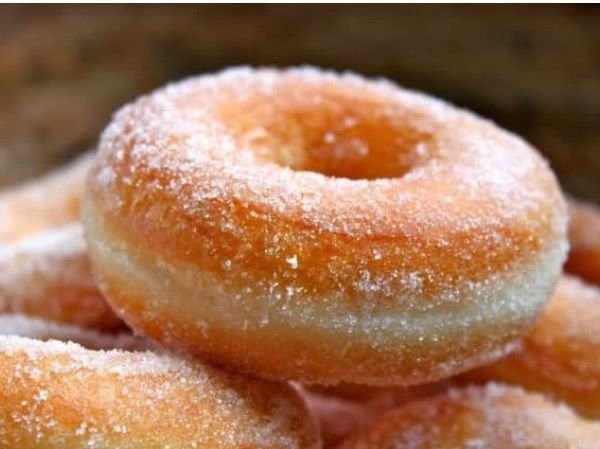
- Remove with a slotted spoon and drain on paper towels. While still warm, dust liberally with powdered sugar and serve.
Best ways to enjoy it
Serve these doughnuts warm, within an hour or two of frying, when the interior is at its softest. Pairing ideas:
- Classic: powdered sugar and a cup of strong coffee.
- Filled: pipe in jam, custard, or Nutella after frying for a bakery-style treat.
- Dipped: make a simple glaze (powdered sugar + milk + vanilla) and dip the tops while warm.
- Brunch spread: stack with fruit, coffee cake, and savory items for variety.
Plating tip: place two doughnuts on a small dessert plate, dust one with extra sugar and pipe a small dollop of jam on the side for a pretty presentation.
How to store & freeze
Short-term: Store cooled doughnuts in an airtight container at room temperature for up to 2 days. They lose their crisp exterior but remain soft inside.
Reheating: Microwave a doughnut for 8–10 seconds to refresh the interior. For a restored exterior crisp, place in a 350°F oven for 3–4 minutes.
Freezing: Freeze cooled, unfrosted doughnuts in a single layer on a tray until firm, then transfer to a freezer bag for up to 1 month. Thaw at room temperature and refresh in a warm oven for a few minutes.
Food safety: discard any fried doughnuts left at room temperature longer than 24 hours. When using perishable fillings (cream, custard), refrigerate and consume within 2 days.
Pro chef tips
- Check yeast activity: if the yeast doesn’t foam within 10 minutes, start over — it may be old or the milk was too hot/cold.
- Keep oil at 350°F. Too cool and doughnuts absorb oil; too hot and the outside browns before the center cooks. Use a candy/deep-fry thermometer.
- Fry in small batches to maintain temperature. A heavy-bottomed pot or dedicated fryer gives the most consistent results.
- Gently press the center of doughnuts after frying with a spatula to check doneness — they should spring back slightly.
- For even shaping, chill the rolled dough briefly before cutting. This reduces distortion while transferring to the fryer.
- If you don’t have a doughnut cutter, use a large round cutter and a small bottle cap for the center.
For more creative salad pairings for a brunch spread, try this blueberry-peach-feta salad for a fresh contrast: blueberry-peach-feta salad.
Creative twists
- Filled: sugar-filled with raspberry jam, lemon curd, or pastry cream.
- Glazed: vanilla, maple, or chocolate glaze for a classic donut-shop finish.
- Spiced: add cinnamon or cardamom to the dough for seasonal flavor.
- Cake-style adaptation: for a denser crumb, swap 1/2 cup of flour for 1/2 cup of cake flour and reduce kneading.
- Baked option: if you prefer not to fry, brush rounds with melted butter and bake at 375°F for 8–10 minutes, then finish with glaze — note: texture will be closer to a baked doughnut, not identical to fried.
Helpful answers
Q: Can I use instant yeast instead of active dry?
A: Yes. Use the same amount. Mix instant yeast straight into the dry ingredients and reduce the first rise slightly — it often works faster. Still look for a doubled dough as your cue.
Q: How do I know when oil is ready and safe to fry?
A: Use a thermometer and bring oil to 350°F (175°C). Test with a small scrap of dough — it should sizzle and rise to the surface quickly without burning. Never leave hot oil unattended; use long tongs or a slotted spoon and fry in small batches.
Q: Can I make the dough ahead of time?
A: Yes. After the first rise, punch down, wrap tightly, and refrigerate up to 24 hours. Bring back to room temperature, then roll, cut, and proof for the second rise before frying.
Q: How long do these doughnuts keep?
A: At room temperature in an airtight container, expect 1–2 days. Filled doughnuts with dairy-based fillings should be refrigerated and eaten within 48 hours.
Q: Is there a gluten-free version?
A: You can try a gluten-free all-purpose flour blend, but results vary. Yeast dough requires gluten structure for the classic chew, so gluten-free doughnuts often need different binders and techniques.
Conclusion
If you want more inspiration or alternate yeast doughnut techniques, this tested guide with sugar-filled and jam options is a helpful read: Perfect Yeast Doughnuts Recipe – Homemade Donuts. For a glazed approach and another expert-tested frying method, check out this glazed doughnut tutorial: The Best Glazed Yeast Doughnuts – Knead Some Sweets.
Happy frying — warm doughnuts and a cold glass of milk make a simple, unforgettable treat.
Classic Fried Doughnuts

Ingredients
Doughnut Ingredients
- 2 cups all-purpose flour Swap up to 25% for bread flour for a richer dough.
- 2 tablespoons sugar
- 1 packet active dry yeast (2 1/4 teaspoons) Instant yeast can be used in place of active dry yeast.
- 1/2 teaspoon salt
- 1/2 cup milk, warmed (about 100–110°F)
- 1/4 cup unsalted butter, melted Slightly cooled before mixing.
- 1 large egg
- 1/4 teaspoon nutmeg Optional for added flavor.
- Oil for frying vegetable, canola, or sunflower oil
Instructions
Preparation
- Warm the milk to 100–110°F. Stir in the sugar and sprinkle the yeast over the top. Wait 5–10 minutes until frothy.
- In a large bowl, whisk together the flour, salt, and nutmeg (if using).
- Add the frothy yeast mixture, melted butter, and egg to the dry ingredients. Stir until a rough dough forms.
- Turn the dough onto a lightly floured surface and knead for 5–7 minutes until smooth and elastic. Alternatively, use a stand mixer with a dough hook on low for 4–5 minutes.
- Place the dough in a lightly oiled bowl, cover, and let it rise in a warm spot until doubled — about 1–2 hours depending on room temperature.
- Punch down the dough and roll it out to about 1/2-inch thickness on a lightly floured surface. Cut into doughnut shapes with a cutter or two round rings.
- Transfer cut doughnuts to a parchment-lined tray, cover loosely, and let them rise again for about 30 minutes until puffy.
- Heat oil in a deep fryer or heavy pot to 350°F (175°C). Use a thermometer to keep the temperature steady.
Frying
- Fry 2–3 doughnuts at a time, about 1–2 minutes per side, until deep golden. Don’t overcrowd the pot.
- Remove with a slotted spoon and drain on paper towels. While still warm, dust liberally with powdered sugar and serve.