
Homemade Lasagna Noodles

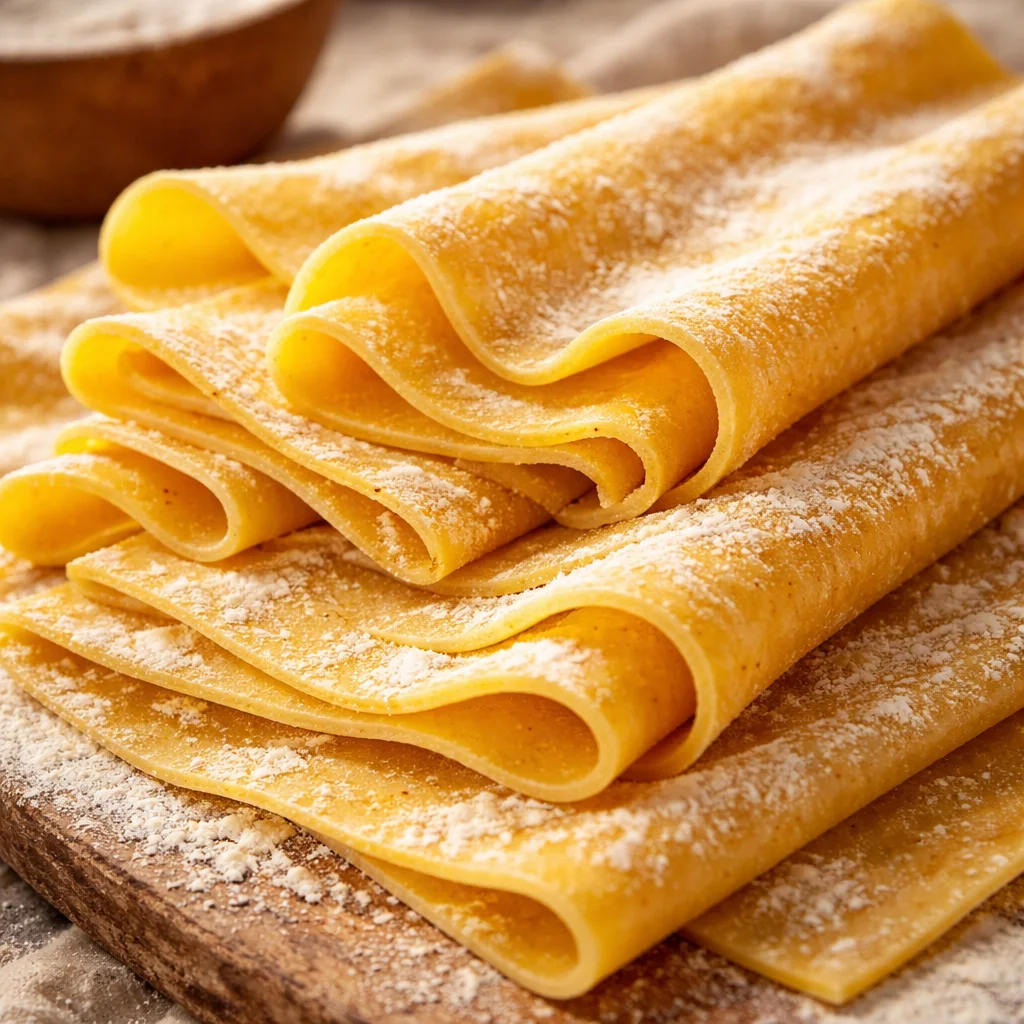
I learned to make lasagna noodles because my grandmother insisted the difference between “good” and “great” lasagna was the pasta itself. These homemade lasagna sheets are simple — flour, eggs, salt, and a splash of oil — but they change texture and flavor in a way store-bought sheets never do. They’re perfect when you want a silkier bite, a lighter sauce-to-pasta balance, or to stretch a special ragù into a memorable family meal. If you already love assembling lasagna from scratch, this method pairs beautifully with the best homemade lasagna recipes and makes layering feel like craft, not chore.
Why you’ll love this dish
Homemade lasagna noodles do three things well: they taste fresher, they cook faster, and they let you control thickness so every forkful is just right. Use them for holiday lasagna, a weekend project with kids (they can cut sheets), or when your sauce is worth a pasta upgrade. They’re also budget-friendly: a few pantry staples and you’ll have enough sheets for a two-layer lasagna.
“The texture was silkier and the sauce clung better than boxed noodles — my family asked for seconds twice.” — a satisfied home cook
Making your own also pairs naturally with an easy homemade lasagna recipe when you want the complete from-scratch experience.
Preparing Homemade Lasagna Noodles
This recipe follows a short, predictable process so you can plan: mix the dough, knead until smooth, rest, roll thin, cut sheets, and briefly blanch before layering. Expect about 10–15 minutes active work and 30–60 minutes including rest and rolling (longer if you’re learning the technique). If you use a pasta machine it speeds things up and gives consistently thin sheets.
What you’ll need
- 2 cups all-purpose flour (swap 00 flour for a silkier feel, or use part semolina for toothier noodles)
- 3 large eggs, room temperature (room temp eggs incorporate more easily)
- 1/2 teaspoon salt
- 1 tablespoon olive oil (or neutral oil like grapeseed)
Notes: For a dairy-free or vegan pasta, you can replace eggs with 3/4 cup water + 1 tablespoon olive oil and 1 teaspoon xanthan gum (results differ). If you want truly al dente, add 1–2 tablespoons semolina flour to the mix.
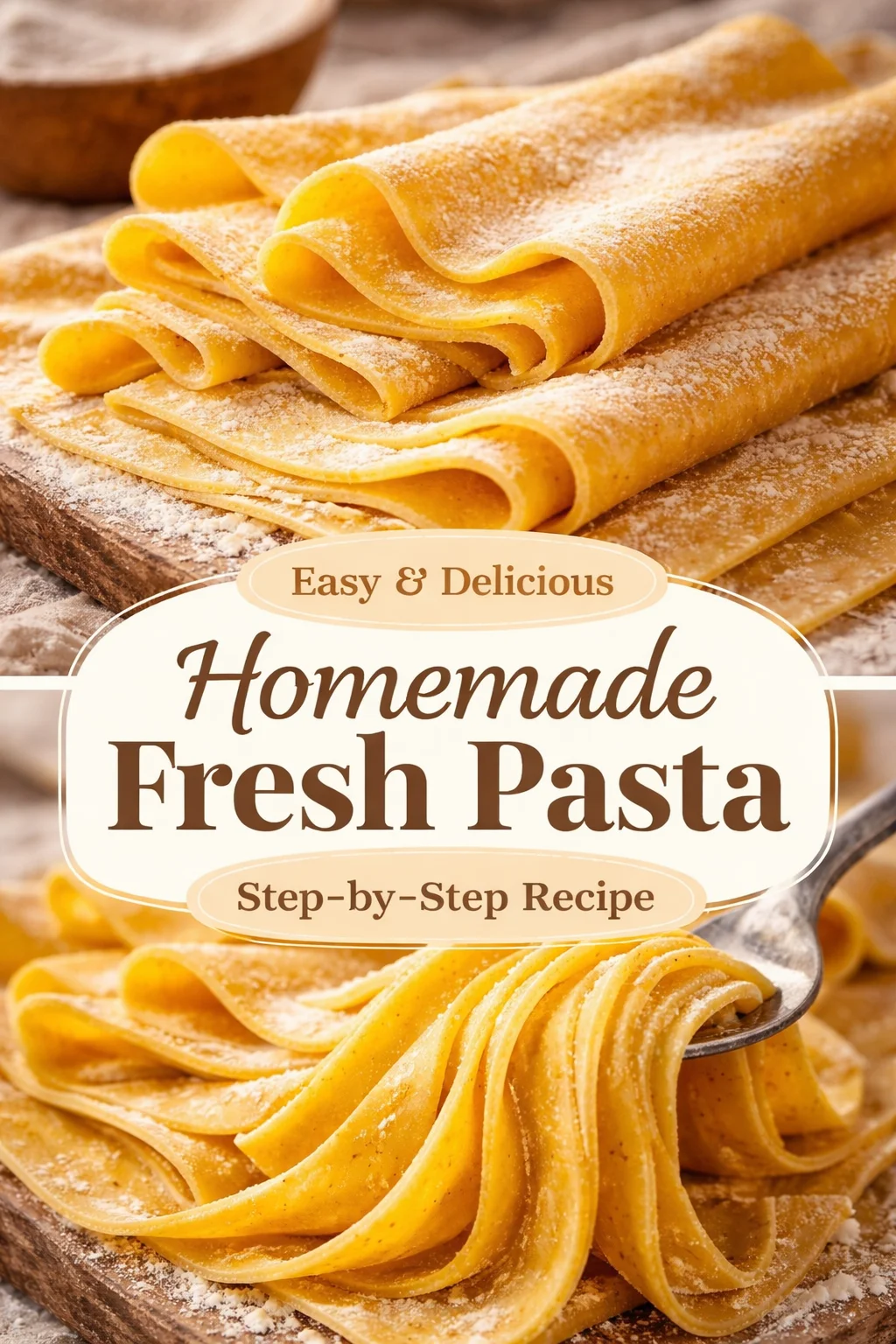
How to prepare it
- Combine dry ingredients: Put the flour and salt in a large bowl and stir to combine.
- Make a well: Push the flour to the side and make a wide well in the center. Crack in the eggs and add the olive oil.
- Bring it together: Using a fork, beat the eggs and slowly pull in flour until a shaggy dough forms.
- Knead: Turn the dough onto a lightly floured surface and knead for 8–10 minutes until smooth and slightly elastic. If it’s sticky, dust sparingly — over-flouring makes pasta dry.
- Rest: Wrap the dough in plastic wrap and rest at room temperature for at least 30 minutes. This relaxes the gluten and makes rolling easier.
- Roll & cut: Divide into portions, flatten, and pass through a pasta machine from thickest to thinnest settings, or roll with a pin until very thin. Trim edges and cut into lasagna-sized sheets.
- Blanch briefly: Cook sheets in large pot of boiling salted water for 2–3 minutes (fresh pasta cooks quickly). Drain and sheet onto a clean towel or layer directly into your lasagna.
If you’re making sides, try a quick loaf — it pairs well with lasagna and is as fast as a 20-minute homemade bread on busy nights.
Step-by-step instructions
- Measure and sift flour with salt into a bowl. Create a central well.
- Add eggs and oil to the well and begin mixing with a fork, working flour from edges into the liquid.
- Once dough holds together, knead on a floured surface for 8–10 minutes until elastic and smooth.
- Wrap tightly and rest 30 minutes.
- Roll dough thin using a machine or rolling pin. Cut to the size of your baking dish.
- Briefly boil sheets 2–3 minutes, drain, and use in your lasagna.
Best ways to enjoy it
- Classic layering: alternate béchamel, ragù, and parmesan for a traditional lasagna.
- Light vegetable lasagna: use roasted zucchini, spinach ricotta, and a lemony béchamel for spring dinners.
- Folded lasagna: roll like cannelloni with filling, top with sauce and bake.
Serve with a simple green salad and a crunchy garlic bread or bruschetta. A medium-bodied red (Sangiovese or Chianti) complements meaty versions; for vegetarian or white-sauce lasagna, try a crisp Vermentino.
Storage and reheating tips
- Refrigerate fresh sheets: wrap loosely in plastic and refrigerate up to 24 hours. Use within that window for best texture (eggs shorten shelf life).
- Freeze raw sheets: dust with semolina or flour, layer between parchment, put in a sealed bag, and freeze up to 2 months. Thaw in the fridge before boiling or layer frozen sheets directly into lasagna — add a few extra minutes to baking time.
- Cooked lasagna: store covered in fridge for 3–4 days. Reheat single portions in a 350°F oven until warm, or microwave covered until hot throughout.
Food safety: because the dough contains raw eggs, keep it refrigerated or frozen if not used immediately and cook thoroughly before serving.
Pro chef tips
- Consistent thickness matters: aim for about 1 mm for light lasagnas, 1.5–2 mm for sturdier, meat-forward versions.
- Rest is crucial: skipping rest makes the dough spring back and harder to roll.
- Use a pasta machine if you make pasta often — it saves time and gives even sheets. Hand-rolling is fine; roll thin and steady.
- Dust sparingly: excess flour prevents sheets from sticking but too much dries them out. Semolina dusting gives extra texture and prevents sticking.
- Save the trimmings: roll them into small nests and pan-fry for a crunchy garnish.
I also love keeping a quick dough on hand for weekend cooking; the method shares tricks with my favorite quick bread recipe for speed and comfort.
Creative twists
- Spinach or beet dough: fold 1/2 cup pureed cooked spinach or roasted beet into the dough for color and subtle flavor. Reduce egg slightly to compensate moisture.
- Whole-wheat or gluten-free: substitute up to half the flour with whole-wheat for nuttier flavor; for gluten-free, use a certified pasta blend and add xanthan gum as directed.
- Herb-infused: knead in finely chopped basil or oregano for aromatic sheets that pair well with light sauces.
- Eggless/vegan: use water, oil, and a binder like xanthan gum or psyllium husk; texture will be different but usable.
Common questions
Q: Can I make the dough ahead of time?
A: Yes. You can refrigerate the wrapped dough for up to 24 hours. For longer storage, freeze the dough (flatten first) for up to 2 months. Thaw overnight in the fridge before rolling.
Q: Do fresh lasagna noodles need to be boiled before layering?
A: Briefly boiling (2–3 minutes) helps prevent excess water in the bake and ensures even cooking. If your sheets are rolled super-thin, you can layer them uncooked provided your sauce is plentiful and slightly loose to hydrate the pasta. Blanching is the safest route.
Q: How thin should I roll the sheets?
A: Aim for roughly 1–1.5 mm for best results; thicker sheets work for heavy fillings. If using a pasta machine, go down to setting 6–8 on most home machines (varies by model).
Q: Can I use semolina or 00 flour instead of all-purpose?
A: Yes. Semolina adds chew; 00 flour gives a silkier texture. You can mix them — a 50/50 blend is a great starting point.
Q: Are there safety concerns with raw eggs in pasta dough?
A: Because eggs are used raw in the dough, keep dough chilled and cook pasta thoroughly. If you have concerns about raw eggs, use pasteurized eggs.
Conclusion
Making your own lasagna noodles elevates a classic dish with minimal extra effort and a big payoff in texture and flavor. For more technique tips and variations, the Pasta Project has an excellent deep dive on making lasagne sheets: Homemade lasagne pasta sheets (lasagna) – The Pasta Project. If you want a beginner-friendly walkthrough with photos and alternative methods, see this guide: Beginner’s Guide to Fresh Homemade Lasagna Noodles – The Clever Carrot.
Homemade Lasagna Noodles

Ingredients
For the Dough
- 2 cups all-purpose flour Swap with 00 flour for a silkier feel, or part semolina for toothier noodles.
- 3 large eggs Room temperature eggs incorporate more easily.
- 1/2 teaspoon salt
- 1 tablespoon olive oil Or use neutral oil like grapeseed.
Instructions
Preparation
- Combine dry ingredients: Put the flour and salt in a large bowl and stir to combine.
- Make a well: Push the flour to the side and make a wide well in the center. Crack in the eggs and add the olive oil.
- Bring it together: Using a fork, beat the eggs and slowly pull in flour until a shaggy dough forms.
- Knead: Turn the dough onto a lightly floured surface and knead for 8–10 minutes until smooth and slightly elastic.
- Rest: Wrap the dough in plastic wrap and rest at room temperature for at least 30 minutes.
- Roll & cut: Divide into portions, flatten, and pass through a pasta machine from thickest to thinnest settings, or roll with a pin until very thin. Trim edges and cut into lasagna-sized sheets.
- Blanch briefly: Cook sheets in large pot of boiling salted water for 2–3 minutes. Drain and sheet onto a clean towel or layer directly into your lasagna.