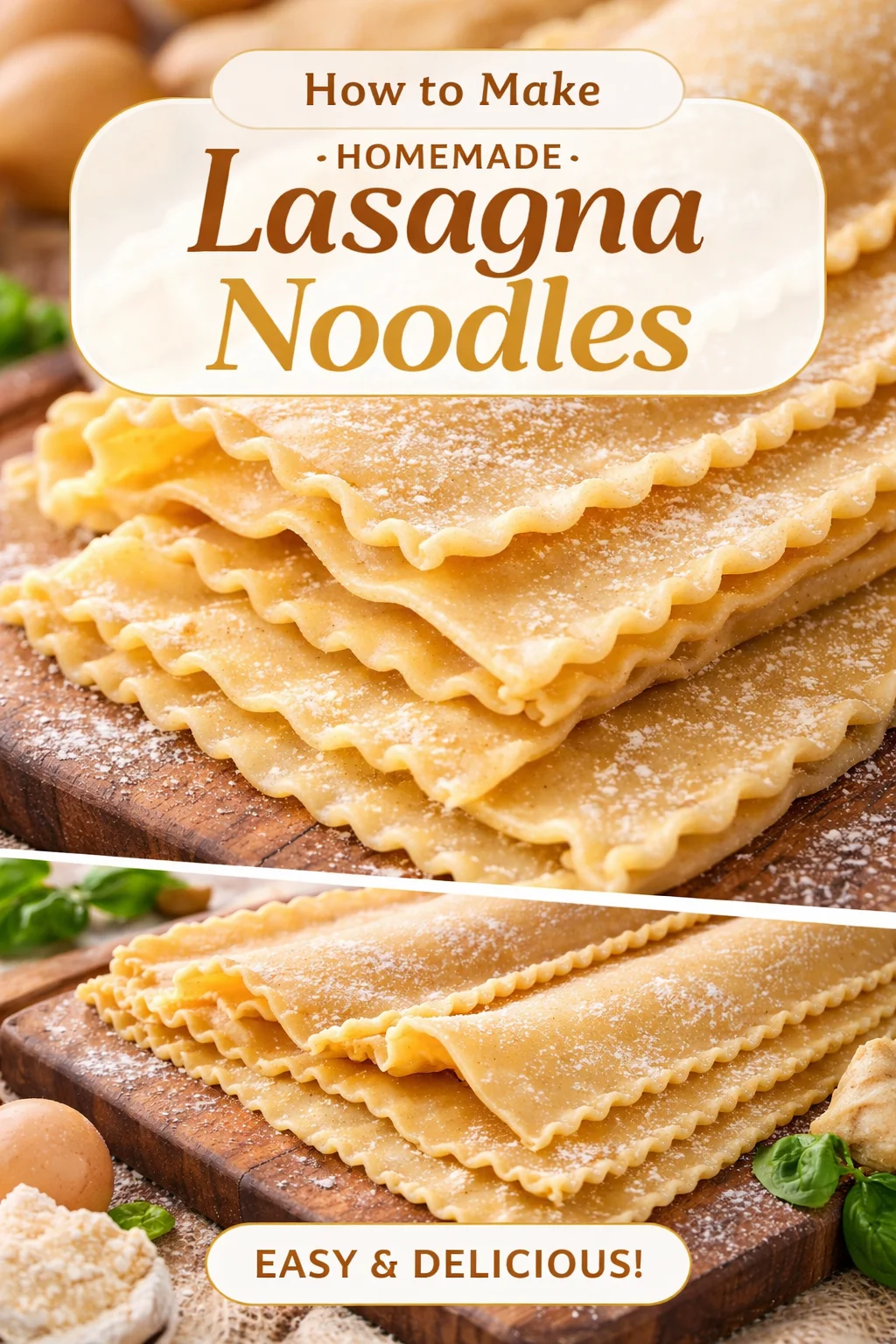
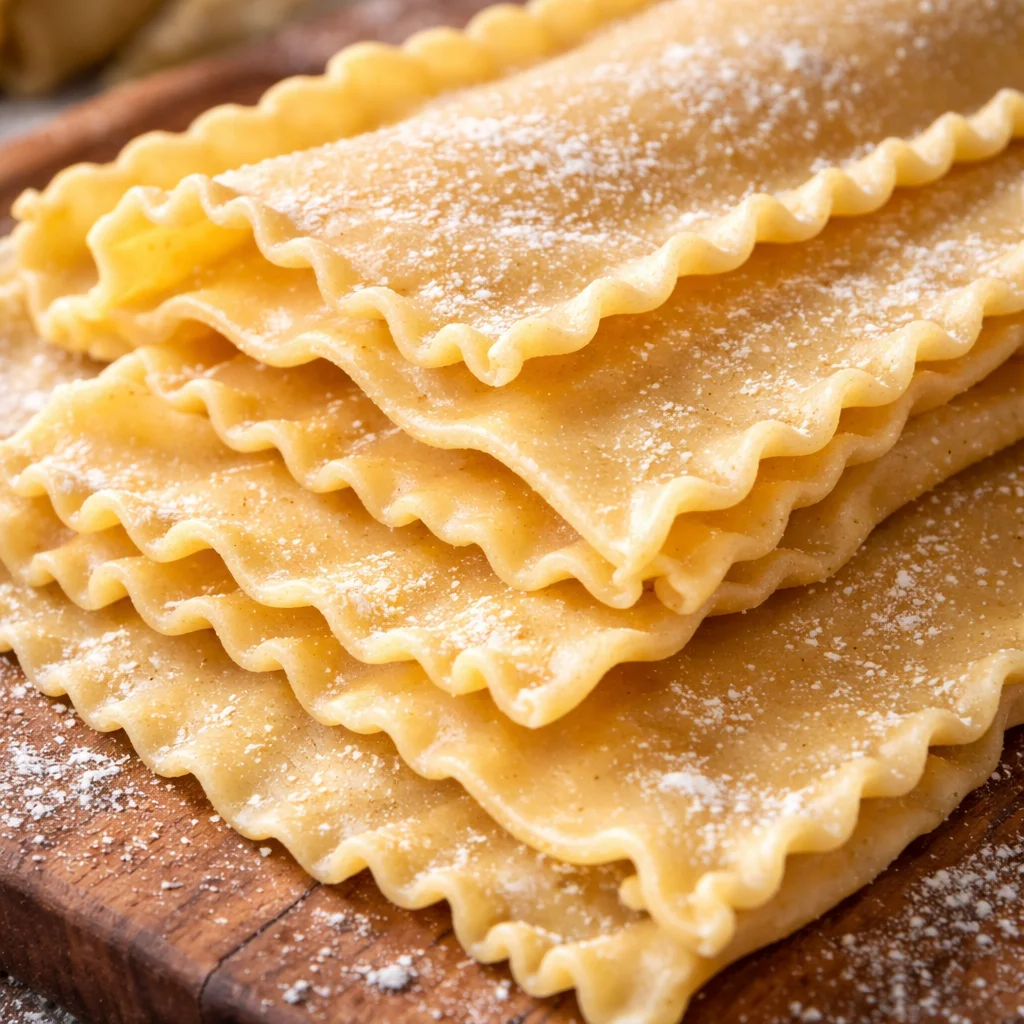
Homemade Lasagna Noodles

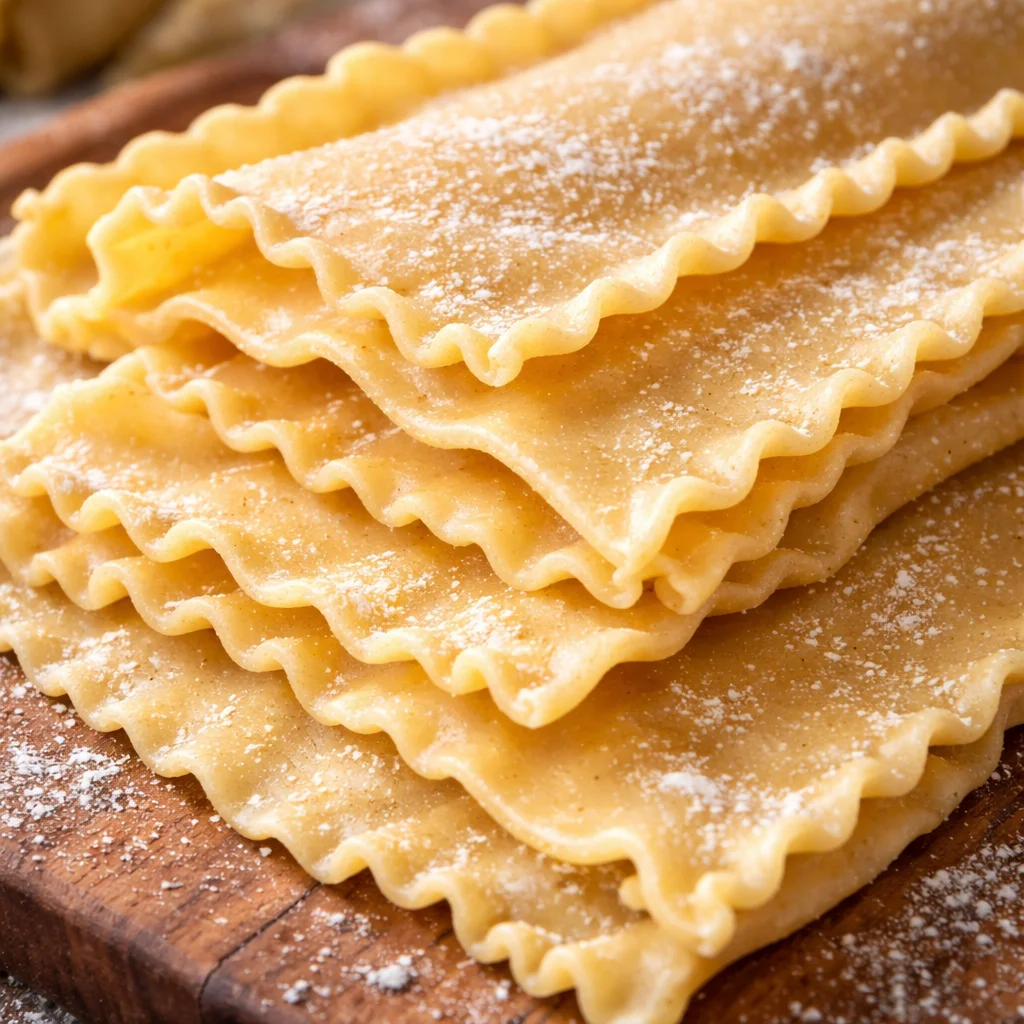
I always come back to making my own lasagna noodles when I want that perfect, slightly toothy bite that store-bought sheets can’t match. These simple, egg-forward noodles—flour, eggs, and a pinch of salt—turn ordinary lasagna into something that tastes homemade in the best possible way. If you enjoy hands-on cooking, or are building a lasagna from scratch for a family gathering, this is the technique you’ll return to. For tips on assembling a crowd-pleasing bake once your noodles are ready, see my notes on the best homemade lasagna tips.
Why you’ll love this dish
Making your own lasagna sheets gives you control over texture, thickness, and flavor. Fresh pasta cooks faster, absorbs sauce more naturally, and keeps the layers tender. It’s ideal when you want an authentic Italian-style lasagna for holidays, Sunday dinners, or a special weeknight meal. Homemade sheets are also economical—just eggs and flour—and they impress guests without needing fancy ingredients.
“The first time I used homemade sheets, the whole family noticed the difference—the noodles stayed tender, not gummy, and the béchamel hugged every layer.”
If you want an easy, full-lasagna plan to pair with these noodles, check this easy homemade lasagna recipe for assembly and sauce ideas.
The cooking process explained
Quick overview so you know what to expect:
- Measure flour precisely and form a well.
- Beat eggs into the well and gradually incorporate flour.
- Knead until smooth and pillowy (about 10 minutes).
- Rest the dough 30 minutes, then divide into six.
- Roll each section through a pasta machine from widest to very thin (settings 0–5).
- Trim sheets to your pan’s length and briefly boil (1–2 minutes) to pre-cook.
- Layer with sauce and bake; ensure sauce above and below the sheets to keep them tender.
If you’re used to short resting tricks from other doughs, some techniques overlap—see this 20-minute homemade bread technique for similar quick-rest tips that apply to handling dough.
What you’ll need
- 600 grams (about 3 3/4 cups) all-purpose flour — weighed on a kitchen scale for accuracy
- 6 large eggs, room temperature
- Pinch of fine salt
Notes and substitutions:
- For a slightly firmer bite, swap 100–150 g of the all-purpose flour for “00” flour.
- If you need egg-free noodles, this recipe can be adapted to a water-and-olive-oil dough, but results will differ.
How to prepare it
- Weigh 600 g flour and pour it onto a clean work surface. Make a wide well in the center. Sprinkle a pinch of salt into the flour.
- Crack all 6 eggs into the well. Using a fork, gently beat the eggs and begin pulling in flour from the inner edge of the well. Work slowly so the eggs don’t escape.
- As the mixture thickens, continue folding in flour until a shaggy dough forms. When the dough holds together, use your hands to bring it into a ball.
- Knead the dough on the floured surface for about 10 minutes. Aim for a soft, pillowy texture that is not sticky. If it feels too dry, wet your hands slightly and continue kneading until smooth.
- Wrap the dough tightly in plastic and let it rest for 30 minutes at room temperature. Resting relaxes the gluten and makes rolling easier.
- Divide the dough into six equal pieces and flatten each slightly so it will feed through your pasta machine easily.
If you like short, practical dough-handling tricks for faster workflow, this same 20-minute homemade bread guide offers useful timing ideas that work in a busy kitchen.
How to prepare it
- Set your pasta machine to the widest setting. Feed one piece of dough through 4–5 times, folding in half each pass. This builds structure and evens thickness.
- Move the machine to the next setting (0 to 1) and pass the dough sheet through once. Continue one setting at a time up to setting 5. You want a very thin, long lasagna sheet.
- Dust the sheet lightly with flour and lay it on a flat surface. Trim the length to match your baking dish. Repeat with remaining pieces.
- Bring a large pot of salted water to a rolling boil. Add two or three sheets at a time and cook for 1–2 minutes—just enough to pre-cook them. Fresh pasta cooks quickly.
- Remove sheets with a slotted spatula and spread them on a towel or rack to dry briefly. Once all sheets are boiled, proceed to assemble your lasagna, making sure to spread sauce on the bottom and top of each noodle layer to prevent drying.
For extra workflow tips while you prepare and cook, I use timing and bench-rest methods from this 20-minute homemade bread advice to keep things moving smoothly.
Best ways to enjoy it
- Layer the sheets with a classic ragu, béchamel, and lots of mozzarella for a traditional lasagna.
- For a lighter version, use a vegetable ragù and ricotta mixed with lemon zest.
- Plate slices with a simple arugula salad and a bright vinaigrette to cut the richness.
- Wine pairing: medium-bodied Sangiovese or a Chianti for tomato-forward sauces; a fuller white like Chardonnay for creamier bakes.
Storage and reheating tips
- Refrigerate: Cooked lasagna keeps well in the fridge in an airtight container for up to 3–4 days.
- Freeze: Fully assembled and baked lasagna freezes well. Wrap tightly in foil and freeze up to 3 months. Thaw overnight in the fridge before reheating.
- Reheat: Cover with foil and bake at 350°F (175°C) until warmed through (20–40 minutes depending on portion size). Remove foil for the last 5–10 minutes to revive the top.
- Food safety: Cool leftovers to room temperature no longer than 2 hours before refrigerating. Reheat to an internal temperature of 165°F (74°C).
Pro chef tips
- Use a scale for flour. Volume measurements for pasta are inconsistent; weighing keeps results consistent.
- Room-temperature eggs incorporate more easily. Cold eggs tighten the dough and make kneading harder.
- Don’t over-flour the sheets. A light dusting prevents sticking but too much flour will dry the pasta and affect cooking.
- Keep your workstation organized: roll, dust, trim, and pre-boil in batches so sheets don’t dry out.
- If the dough feels dry after resting, a quick 30-second knead with slightly damp hands usually brings it back to supple.
For more timing hacks that speed up prep without sacrificing quality, I often apply methods from this 20-minute homemade bread routine.
Creative twists
- Whole-wheat: Replace up to half the all-purpose flour with whole-wheat for nuttier flavor.
- Herb-infused: Add 1–2 teaspoons finely chopped fresh herbs (basil, thyme) to the dough for aromatic sheets.
- Spinach sheets: Puree cooked spinach and squeeze out excess water, then incorporate 40–60 g into the dough for green, veggie-packed sheets.
- Mini lasagnas: Cut sheets to fit ramekins for individual servings—great for entertaining or portion control.
Helpful answers
Q: How long does the whole process take?
A: Plan about 1 hour total—10–15 minutes measuring/combining, 10 minutes kneading, 30 minutes resting, plus rolling and quick boiling. Assembly and baking time for lasagna will add to this.
Q: Can I skip the quick boiling step and use the sheets dry?
A: You can if you’re using a very saucy lasagna that supplies plenty of moisture. Pre-boiling guarantees consistent tenderness, especially if your sauce is on the thicker side.
Q: How thin should I roll the sheets?
A: Aim for a thin but not transparent sheet—settings up to 5 on many machines give a nice texture. If sheets are too thin they can tear in boiling; too thick and they’ll be doughy after baking.
Q: Can I make the dough ahead?
A: Yes—wrapped tightly, fresh pasta dough keeps in the fridge for 24 hours. For longer storage, freeze the dough balls for up to one month, thaw in the fridge before rolling.
Q: Is a pasta machine necessary?
A: No—if you have a rolling pin you can roll the dough very thin by hand, though it takes more elbow grease and patience.
Conclusion
Making your own lasagna noodles takes a bit of time, but the payoff is unmistakable: better texture, tailored thickness, and a truly homemade bite. If you’d like a deeper walkthrough of sheet sizing and shaping, see Pasta Project’s guide to homemade lasagne pasta sheets for extra visuals. For a beginner-focused, step-by-step companion on rolling and handling fresh lasagna noodles, I recommend The Clever Carrot’s beginner’s guide to fresh homemade lasagna noodles.
Fresh Lasagna Noodles
Ingredients
Main Ingredients
- 600 grams all-purpose flour Weighed on a kitchen scale for accuracy
- 6 large eggs Room temperature for easier incorporation
- 1 pinch fine salt
Instructions
Preparation
- Weigh 600 g flour and pour it onto a clean work surface. Make a wide well in the center. Sprinkle a pinch of salt into the flour.
- Crack all 6 eggs into the well. Using a fork, gently beat the eggs and begin pulling in flour from the inner edge of the well.
- Once the mixture thickens, continue folding in flour until a shaggy dough forms. When the dough holds together, bring it into a ball.
- Knead the dough on a floured surface for about 10 minutes until smooth and pillowy.
- Wrap the dough tightly in plastic and let it rest for 30 minutes at room temperature.
- Divide the dough into six equal pieces and flatten each slightly for easy feeding through a pasta machine.
Rolling and Boiling
- Set your pasta machine to the widest setting. Feed one piece of dough through 4–5 times, folding in half each pass.
- Move the machine to the next setting (0 to 1) and pass the dough sheet through once. Continue to the thinnest setting (5). Trim the sheet to match your baking dish.
- Bring a large pot of salted water to a rolling boil. Add sheets and cook for 1–2 minutes to pre-cook.
- Remove sheets with a slotted spatula and spread them on a towel or rack to dry briefly.