Crispy, Chewy Carolina Coconut Cookies

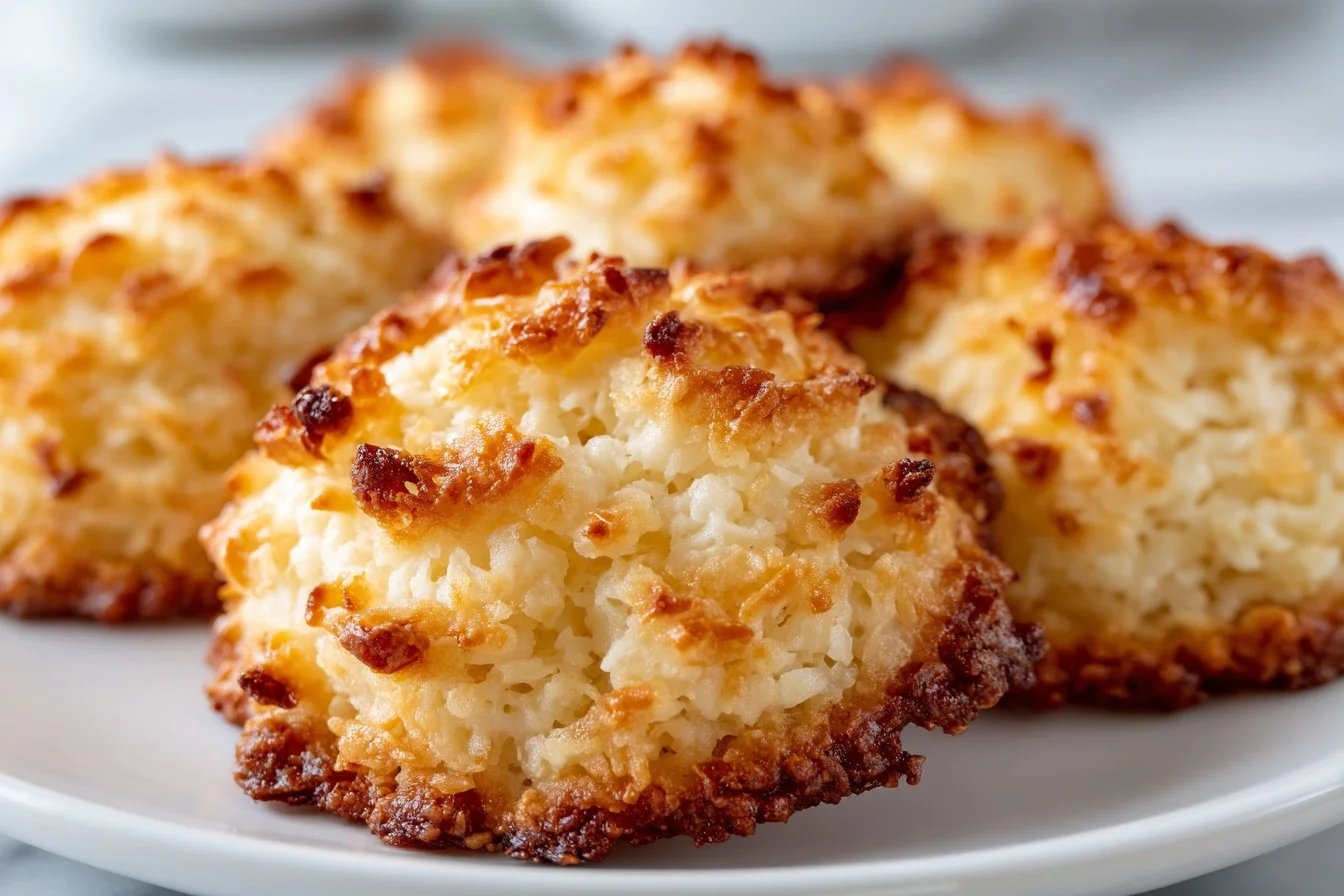
I’ve made these Crispy, Chewy Carolina Coconut Cookies a dozen times for bake sales and last-minute guests — they’re the kind of cookie that crisps at the edges, stays chewy in the middle, and smells like summer as soon as they come out of the oven. If you love coconut in a cookie that isn’t overly sweet, this is the go-to recipe. If you enjoy no-bake coconut treats too, try this no-bake coconut pecan praline cookies for another coconut-forward favorite.
Why you’ll love this dish
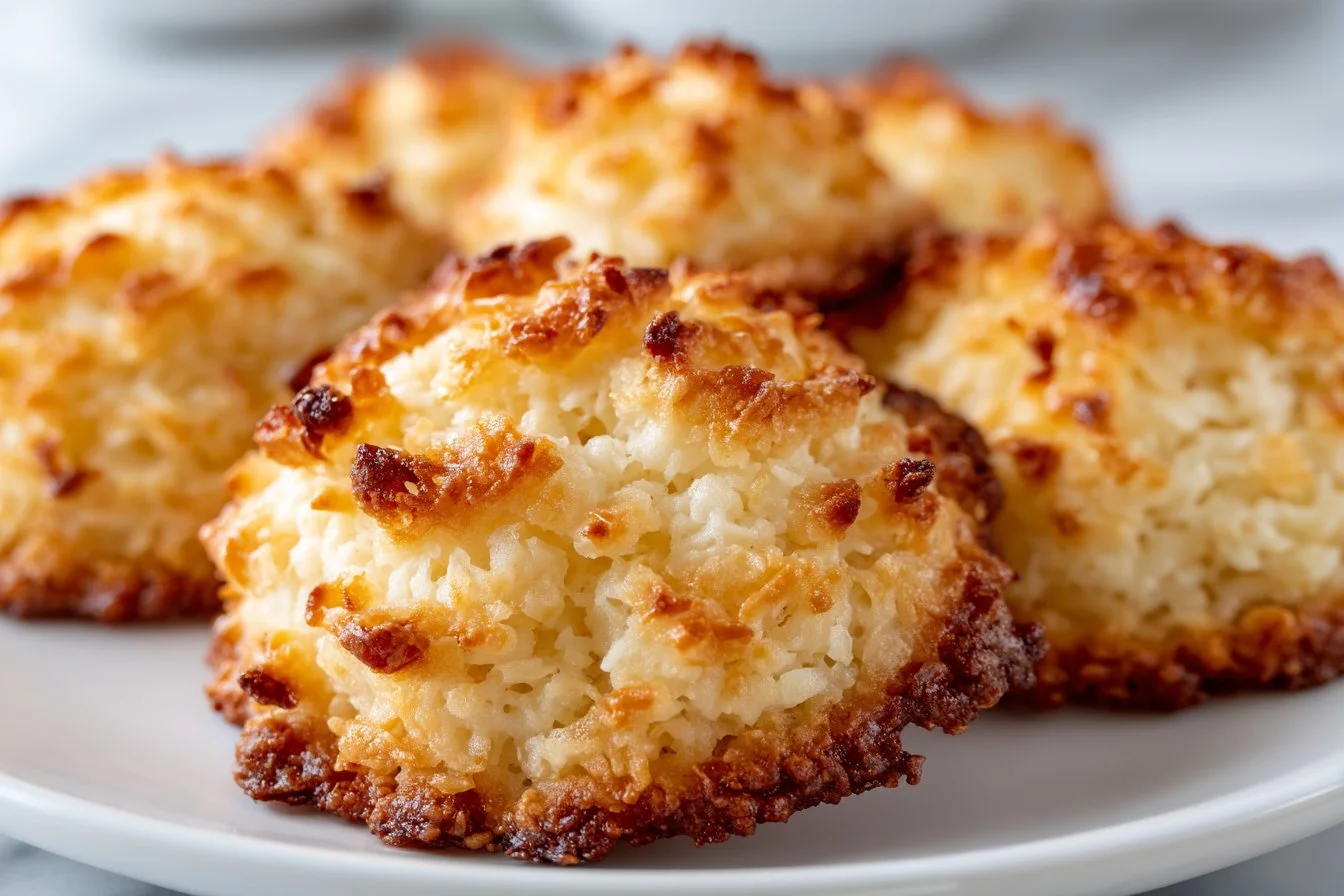
These cookies hit a satisfying balance: crunchy edges, chewy centers, and coconut texture throughout. They’re quick to mix (no creaming with a stand mixer required), use pantry-friendly ingredients, and are flexible — you can top them with toffee bits, raw sugar, or leave them plain. They’re perfect for school lunches, a casual coffee break, or holiday cookie trays when you want something a little different from chocolate chip.
“A little toasted coconut on the outside makes every bite unexpectedly crunchy — my whole family went back for seconds.” — a regular tester
These are also a great choice if you want a cookie that travels well for potlucks. If you like chewy, spiced cookies in colder months, check my take on Chewy Pumpkin Snickerdoodle Cookies for another seasonal option.
Step-by-step overview
This recipe is straightforward and quick:
- Soften butter and mix with sugars and egg until smooth.
- Add vanilla and baking soda.
- Stir in flour and salt, then fold in most of the coconut.
- Form 2-tablespoon cookies, roll in reserved coconut, and bake.
- Add toffee bits or raw sugar, return to oven briefly, then cool.
Expect about 20–25 minutes active prep and two sheet pans in the oven at once if you have them.
What you’ll need
- ½ cup very soft butter (room temperature)
- ½ cup light brown sugar, packed
- ½ cup granulated white sugar
- 1 large egg
- 1 teaspoon vanilla extract
- ½ teaspoon baking soda
- 1¼ cups all-purpose flour
- ¼ teaspoon salt
- 2 cups coconut flakes, divided (sweetened or unsweetened both work)
- Toffee bits (about ½ cup) or raw coarse sugar (Turbinado or Demerara) for topping
Notes: Use very soft (not melted) butter for the right texture. If you need a swap, coconut oil can work in a pinch but will change flavor and spread.
Step-by-step instructions
- Preheat the oven to 350°F. Line two sheet pans with parchment paper.
- In a medium bowl, combine the very soft butter, brown sugar, and white sugar. Stir with a sturdy spatula until smooth.
- Add the egg, then stir in the vanilla extract and baking soda until combined.
- Sprinkle in the flour a little at a time with the salt. Mix only until the flour disappears — avoid overmixing.
- Fold in 1½ cups of the coconut flakes. Reserve ½ cup of coconut in a small bowl.
- Scoop 2-tablespoon portions of dough. Roll the tops and sides of each dough ball in the reserved coconut and place on the sheet pan about 2 inches apart.
- Bake for 12–16 minutes until the cookies are light golden brown around the edges.
- Remove the sheet pan from the oven. Quickly top each cookie with 1–1½ teaspoons of toffee bits or sprinkle ½–1 teaspoon of Turbinado/Demerara sugar.
- Return the cookies to the oven and bake 2–3 more minutes until nicely golden and the toppings have set.
- Cool on the cookie sheet 2–3 minutes, then transfer to a wire rack to cool completely.
- Store cooled cookies in an airtight container at room temperature for 3–4 days or freeze for 1–2 months.
Best ways to enjoy it
These cookies are great on their own with coffee or milk. For a simple dessert plate:
- Serve warm with vanilla ice cream and a light drizzle of caramel.
- Stack three on a dessert platter with fresh fruit for a casual party.
- Pair a cookie with a bold black tea or espresso to balance the sweetness. If you want another coconut plate to serve alongside, consider this alternate no-bake coconut praline recipe as a contrast: no-bake coconut pecan praline cookies.
Storage and reheating tips
- Room temperature: Keep in an airtight container for 3–4 days. Place a sheet of paper towel under the lid to help absorb moisture if you prefer crisper edges.
- Freezing: Layer cookies between parchment in a freezer-safe container for up to 1–2 months. Thaw at room temperature before serving.
- Reheating: Warm a cookie for 7–10 seconds in the microwave or 3–4 minutes at 300°F in the oven to refresh crisp edges. Avoid overbaking during reheating.
Food safety: let cookies cool completely before storing to prevent condensation and sogginess.
Pro chef tips
- Use room-temperature butter, not melted. Very soft butter traps air and helps the cookies rise correctly while staying chewy.
- Don’t overmix once you add flour. Overworked gluten makes dense cookies.
- If your coconut is very large or uneven, pulse it briefly in a food processor for consistent texture.
- For more pronounced coconut flavor, lightly toast the coconut before folding most of it into the dough (watch closely — coconut burns fast).
- If cookies spread too much, chill the dough 10–15 minutes before scooping.
Recipe variations
- Chocolate-coconut: Fold in ½ cup mini chocolate chips instead of toffee bits.
- Tropical: Add ¼ cup chopped macadamia nuts and a teaspoon of lime zest.
- Gluten-free: Substitute 1:1 gluten-free baking flour (check for xanthan gum) and reduce mixing.
- Lower-sugar option: Use unsweetened coconut and skip toffee; top with a dusting of powdered sugar if desired.
Your questions answered
Q: Can I use sweetened versus unsweetened coconut?
A: Yes. Sweetened coconut yields a slightly sweeter cookie; unsweetened keeps the sugar level lower. Both work well — the recipe author has used both successfully.
Q: How many cookies does this yield?
A: Using 2-tablespoon scoops, expect roughly 20–24 cookies depending on exact portions.
Q: Can I make the dough ahead?
A: You can refrigerate the dough for up to 24 hours. Let it sit at room temperature 10–15 minutes before scooping so it’s easier to form.
Q: What’s the purpose of rolling the dough in additional coconut?
A: Rolling creates a crunchy coconut exterior and ensures each bite has coconut texture, not just shredded flakes inside the dough.
Q: Is toffee required?
A: No — toffee bits add a buttery crunch and deeper caramel flavor. Raw Turbinado or Demerara sugar is a great, simpler option.
Conclusion
If you want the original inspiration and slightly different technique notes, see the source recipe at Crispy, Chewy Carolina Coconut Cookies – The Café Sucre Farine. For another published interpretation and serving ideas, check Carolina Coconut Cookies | 12 Tomatoes.
Crispy, Chewy Carolina Coconut Cookies

Ingredients
Cookie Ingredients
- ½ cup very soft butter (room temperature) Use very soft butter for the right texture.
- ½ cup light brown sugar, packed
- ½ cup granulated white sugar
- 1 large egg
- 1 teaspoon vanilla extract
- ½ teaspoon baking soda
- 1¼ cups all-purpose flour Avoid overmixing after adding flour.
- ¼ teaspoon salt
- 2 cups coconut flakes, divided Sweetened or unsweetened both work.
- ½ cup Toffee bits or raw coarse sugar (Turbinado or Demerara) for topping Optional topping.
Instructions
Preparation
- Preheat the oven to 350°F. Line two sheet pans with parchment paper.
- In a medium bowl, combine the very soft butter, brown sugar, and white sugar. Stir with a sturdy spatula until smooth.
- Add the egg, then stir in the vanilla extract and baking soda until combined.
- Sprinkle in the flour a little at a time with the salt. Mix only until the flour disappears — avoid overmixing.
- Fold in 1½ cups of the coconut flakes. Reserve ½ cup of coconut in a small bowl.
- Scoop 2-tablespoon portions of dough. Roll the tops and sides of each dough ball in the reserved coconut and place on the sheet pan about 2 inches apart.
Baking
- Bake for 12–16 minutes until the cookies are light golden brown around the edges.
- Remove the sheet pan from the oven. Quickly top each cookie with 1–1½ teaspoons of toffee bits or sprinkle ½–1 teaspoon of Turbinado/Demerara sugar.
- Return the cookies to the oven and bake 2–3 more minutes until nicely golden and the toppings have set.
- Cool on the cookie sheet 2–3 minutes, then transfer to a wire rack to cool completely.