
Gordon Ramsay Yorkshire Pudding Recipe


I’ve made Gordon Ramsay’s Yorkshire pudding batter more times than I can count — it’s a simple mix that reliably puffs into crisp, hollow cups when you follow a few key rules. Perfect beside a Sunday roast or as a fun side for a family dinner, these puddings are golden, airy, and surprisingly quick once the batter is resting.
Why you’ll love this dish
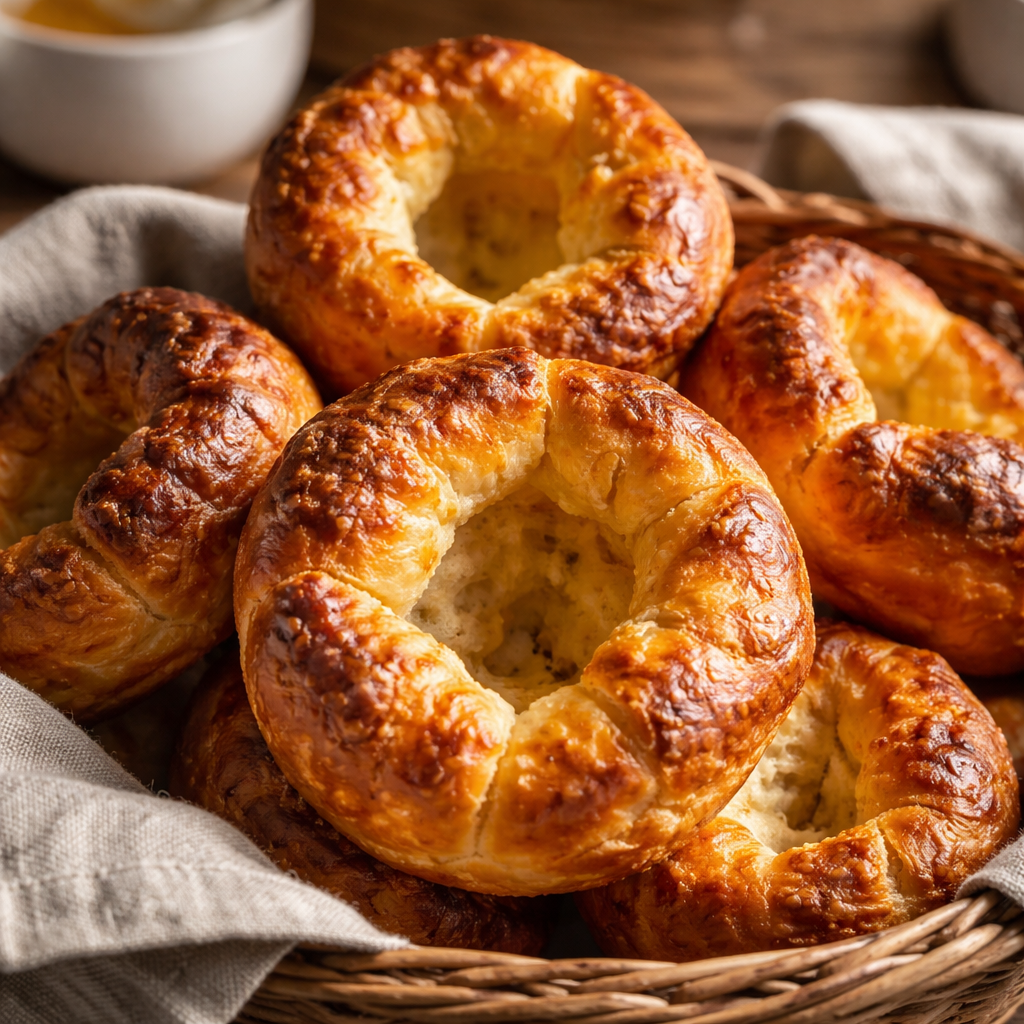
Yorkshire puddings are a British classic for good reason: they’re inexpensive, use pantry staples, and deliver big texture and comfort with minimal fuss. This Gordon Ramsay-style version focuses on a thin, well-rested batter and smoking-hot oil — the combination that gives you dramatic rise and a crisp shell with a soft inside. Make them for a roast, holiday meal, or whenever you want a crowd-pleasing side.
“Light, crisp and delicious — these puddings turned my roast into something special. Simple ingredients, stunning results.” — A reader’s quick review
They’re also great for stretching a meal: make extra and fill them with leftover roast beef or veggies. If you’re planning a full brunch or dessert spread, consider pairing mains with something sweet like this pumpkin praline bread pudding for a cozy finish: pumpkin praline bread pudding.
How this recipe comes together
Before you dive into the ingredients, here’s the quick process so you know what to expect: whisk flour, salt, eggs, and milk into a thin batter. Rest it for about an hour. Heat oil in the tin until it’s smoking hot in a very hot oven. Pour batter into the hot oil and bake without opening the door until the puddings have risen and turned golden. Total active time is short; most of the work is hands-off while the batter rests and the oven does the rising.
Ingredients — Gather these items
- 3 large eggs
- 125 g plain (all-purpose) flour
- ½ teaspoon sea salt
- 150 ml whole milk (whole milk gives better colour and tenderness)
- 4 tablespoons vegetable oil (or another neutral oil with a high smoke point)
Notes and substitutions:
- Use plain/all-purpose flour — bread flour will be chewier, cake flour too soft.
- You can swap up to half the milk for sparkling water for an even lighter batter.
- For dairy-free, use a full-fat plant milk (oat or soy) and the texture will be slightly different but still tasty.
Directions to follow
- Combine dry ingredients. Put the flour and sea salt in a large mixing bowl. Stir so the salt is evenly distributed.
- Add eggs. Crack the eggs into the bowl and whisk vigorously until the mixture is smooth and combined.
- Add milk gradually. Pour the milk in slowly while whisking to form a thin, lump-free batter.
- Rest the batter. Cover and leave the batter to rest at room temperature for about 1 hour. This helps the gluten relax and improves rise.
- Prepare the tin and oil. Pour about 2 teaspoons of vegetable oil into each cup of a muffin tin or Yorkshire pudding tin.
- Preheat the oven. Heat the oven to 220°C (430°F). Put the oiled tin inside and heat for about 15 minutes until the oil is very hot and starting to smoke slightly.
- Fill the tins. Using oven mitts, remove the hot tin. Quickly and carefully pour the batter into each cup, filling about three-quarters full to leave room for rise.
- Bake without peeking. Immediately return the tin to the oven and bake for about 15 minutes. Do not open the door during this time — sudden temperature drops make them collapse.
- Finish and serve. When the puddings are deep golden and well risen, remove them from the oven. They should have a crisp exterior and a tender interior. Remove from the tin and serve hot.
How to serve Gordon Ramsay Yorkshire Pudding Recipe
Best ways to enjoy it
- Classic: serve with roast beef and rich gravy; spoon gravy into the hollow center.
- As a mini sandwich: fill with thinly sliced beef, caramelised onions, and horseradish cream.
- For brunch: top with scrambled eggs and smoked salmon for an indulgent twist.
- Leftover idea: hollow one out and add a spoonful of mashed potato and leftover roast for a comforting bite.
If you’re building a full menu, contrast the savory puddings with a warm dessert — they pair nicely after a richer sweet like this pumpkin praline bread pudding for holiday gatherings.
How to store & freeze
- Short-term: Cool puddings to room temperature, then refrigerate in an airtight container within two hours. Use within 2–3 days.
- Reheating: For best texture, reheat on a baking tray at 180°C (350°F) for 5–8 minutes until crisp. Microwaving softens them — only microwave if you don’t mind losing crispness.
- Freezing: Flash-freeze on a tray until solid, then transfer to a freezer bag. Freeze up to 1 month. Reheat from frozen in a preheated oven at 180°C (350°F) for 12–15 minutes.
- Food safety: Always cool quickly and refrigerate within two hours to minimize bacterial growth.
Helpful cooking tips
- Heat is everything: make sure the oil is smoking hot. That initial sizzle seals the batter and creates steam to lift the puddings.
- Batter consistency: it should be thin — almost like heavy cream. If too thick, add a little more milk.
- Resting matters: resting the batter for ~1 hour helps bubbles settle and improves rise. You can rest longer (up to 2 hours) at room temp.
- Don’t open the oven: let them bake undisturbed for the first 12–15 minutes to prevent collapse.
- Tin choice: use a metal tin (not silicone) for the best heat transfer and rise.
- Egg temperature: room-temperature eggs mix more evenly with the milk, giving a smoother batter.
Creative twists
- Herb and cheese puddings: fold in 1–2 tablespoons grated Parmesan and 1 teaspoon chopped fresh thyme for a savoury boost.
- Individual roast bowls: make larger puddings in muffin tins and fill with pulled pork or mushrooms for a party-friendly canapé.
- Vegan-ish version: swap eggs for a commercial egg replacer and use full-fat oat milk — results vary, but you’ll still get a tasty alternative.
- Sweet variation: sprinkle a tiny pinch of sugar into the batter and serve with a herbed honey butter and berries for a brunch treat.
Your questions answered
Q: How long does prep and total cook time take?
A: Active prep is about 10–15 minutes. Resting the batter takes ~1 hour. Baking is about 15 minutes. Plan ~1 hour 30 minutes overall.
Q: Can I make the batter ahead?
A: You can make the batter and refrigerate it for up to 24 hours. Bring to room temperature before using and give it a good whisk. Extended refrigeration may reduce rise slightly.
Q: Why didn’t my puddings rise?
A: Common reasons: oil wasn’t hot enough, oven temperature dropped when the door opened, batter was too thick, or the tin wasn’t hot. Follow the hot-oil rule and don’t open the oven.
Q: Can I use self-raising flour?
A: Plain/all-purpose flour is preferred. Self-raising adds an unpredictable lift and changes texture. If you use it, omit any added raising agents and expect a different result.
Q: Are they gluten-free?
A: Not with plain wheat flour. You can experiment with a gluten-free plain flour blend, but results vary; some blends produce heavier puddings.
Conclusion
Gordon Ramsay’s Yorkshire puddings turn a handful of pantry staples into an impressive, crispy side that elevates any roast. For the original inspiration and another take on Ramsay’s approach, see this classic version on Gordon Ramsay’s Yorkshire Pudding Recipe – Food.com. For the restaurant-style recipe and tips straight from Gordon Ramsay’s team, check the official instructions at Yorkshire Puddings | Recipes | Gordon Ramsay Restaurants.
Enjoy your batch — once you master the hot-oil and oven routine, these puddings will become a go-to for every roast night.
Yorkshire Pudding

Ingredients
Dry Ingredients
- 125 g plain (all-purpose) flour Use plain flour for best results; avoid bread flour.
- 0.5 teaspoon sea salt Distribute evenly with flour.
Wet Ingredients
- 3 large eggs Use room-temperature eggs for smoother batter.
- 150 ml whole milk Whole milk gives better color and tenderness.
For the Baking
- 4 tablespoons vegetable oil Or another neutral oil with a high smoke point.
Instructions
Preparation
- Combine dry ingredients: Put flour and sea salt in a large mixing bowl and stir.
- Add eggs: Crack the eggs into the bowl and whisk until smooth.
- Add milk gradually: Pour in the milk slowly while whisking to form a thin batter.
- Rest the batter: Cover and leave to rest at room temperature for about 1 hour.
- Prepare the tin: Pour about 2 teaspoons of oil into each cup of a muffin tin.
- Preheat the oven: Heat to 220°C (430°F) with the oiled tin inside for about 15 minutes.
Baking
- Fill the tins: Carefully pour batter into each cup, filling about three-quarters full.
- Bake without peeking: Return the tin to the oven and bake for about 15 minutes without opening the door.
- Finish and serve: Once golden and risen, remove from oven and serve hot.