Lavender Tea Bread

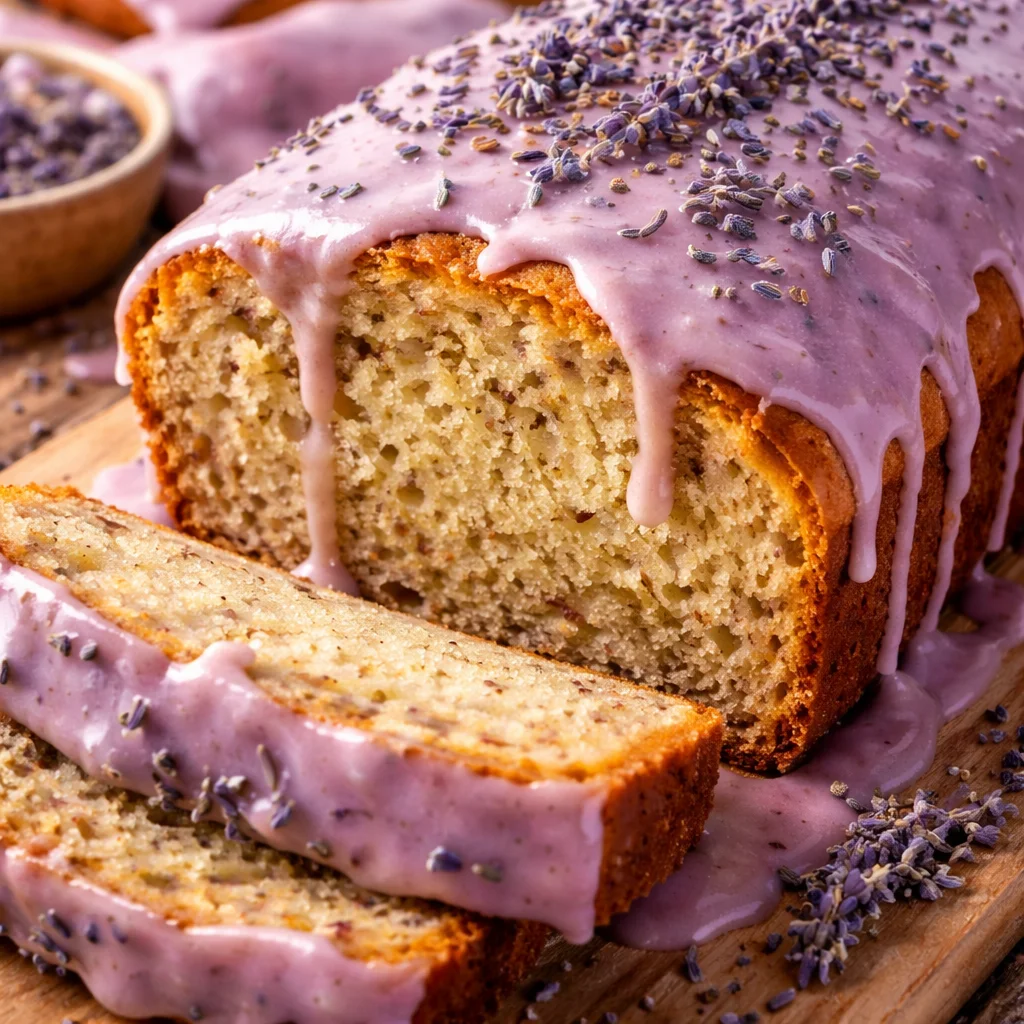
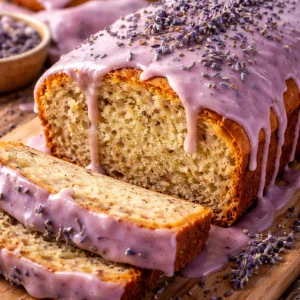
I still remember the first time I baked this Lavender Tea Bread — the kitchen smelled like a petite English garden and a simple slice with a hot cup of Earl Grey instantly made an ordinary afternoon feel special. This delicate quick bread is perfumed with culinary lavender, tender from buttermilk, and easy enough for a weekend brunch or a hostess gift. If you enjoy floral bakes or want a pretty loaf to serve with tea, this recipe is a gentle, reliable place to start. For other simple loaf ideas, I often look to techniques that streamline baking like a quick no-knead loaf when time is tight.
Why you’ll love this dish
Lavender Tea Bread is a light, floral quick bread that’s unexpected yet approachable. It’s great for:
- Brunches and tea parties where a pretty, fragrant loaf steals the show.
- Using pantry staples—no special equipment required.
- A gentle, adult-friendly sweetness that pairs with citrus or honey.
This is the kind of recipe that’s forgiving: the batter mixes quickly, and buttermilk plus baking soda give it a tender crumb without complicated folds or long rise times. It’s also budget-friendly—dried culinary lavender is used sparingly, so a small jar lasts through many loaves.
“Soft, slightly floral slices that make every cup of tea feel like a small celebration — a new staple for my weekend baking.” — home baker review
For a primer on fast breads and minimalist techniques that complement this style, consider the same ideas behind many quick loaf recipes like the simple homemade bread methods that save time without sacrificing texture.
Step-by-step overview
Before you start, here’s what to expect: you’ll whisk the dry ingredients, beat the butter with the wet ingredients (buttermilk, eggs, vanilla), fold everything together gently, then bake the batter in a greased loaf pan for about 50–60 minutes. Cool briefly in the pan, then finish on a wire rack. The whole process is straightforward and suited to home bakers of any level.
Key checkpoints:
- Use culinary-grade dried lavender (not potpourri).
- Bring eggs and buttermilk to room temperature for even mixing.
- Stop mixing when the batter is just combined—overworking makes dense bread.
- Test doneness with a toothpick in the center; it should come out clean or with a few moist crumbs.
Gather these items
- 2 cups all-purpose flour (spooned and leveled)
- 1 cup granulated sugar
- 1 tablespoon dried culinary lavender (see notes)
- 1 teaspoon baking powder
- 1/2 teaspoon baking soda
- 1/2 teaspoon salt
- 1/2 cup unsalted butter, softened
- 1 cup buttermilk (or 1 cup milk + 1 tbsp lemon juice, rested 10 minutes)
- 2 large eggs, room temperature
- 1 teaspoon vanilla extract
Notes and substitutions:
- Culinary lavender: buy labeled “culinary” or “lavender buds” and use sparingly — it’s potent. You can grind it lightly in a mortar or pulse in a spice grinder for a finer texture.
- Buttermilk provides tang and reacts with baking soda; if you’re dairy-free, use a plant milk + 1 tbsp vinegar substitute and swap butter for a neutral oil (see Variations).
- For an even simpler loaf idea, check a pared-down approach like the 5-ingredient bread alternative.
Step-by-step instructions
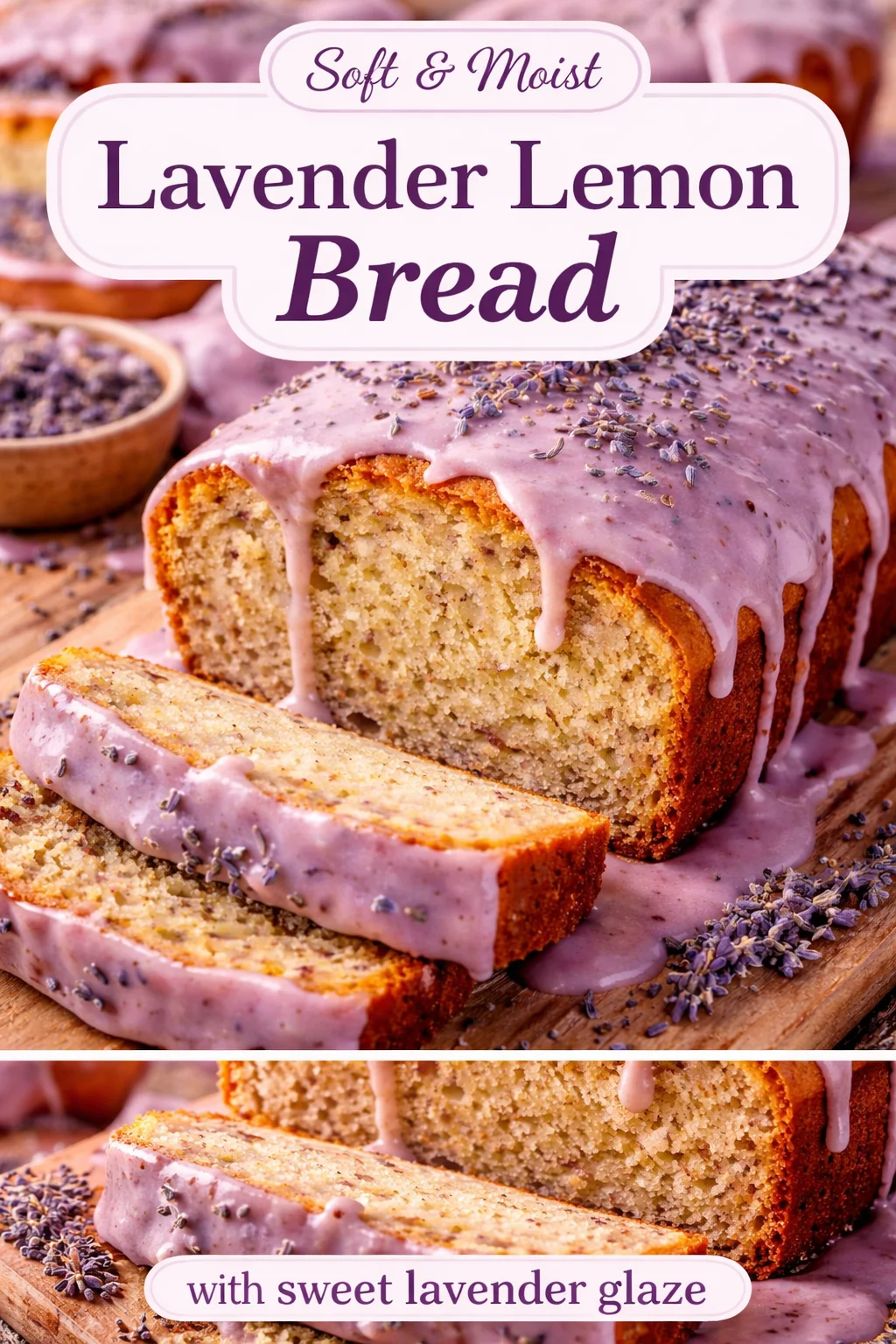
- Preheat the oven to 350°F (175°C). Grease a 9×5-inch loaf pan or line it with parchment for easy removal.
- In a large bowl, whisk together the flour, sugar, dried lavender, baking powder, baking soda, and salt until evenly distributed. Break up any lavender clusters with your fingers or a fork.
- In a second bowl, beat the softened butter until smooth. Add the buttermilk, eggs, and vanilla, and whisk until blended and slightly emulsified.
- Pour the wet mixture into the dry ingredients. Fold with a spatula or wooden spoon just until there are no dry streaks — a few small lumps are fine. Overmixing will lead to a tougher crumb.
- Scrape the batter into the prepared loaf pan and smooth the top with a spatula. Tap the pan gently on the counter to settle the batter and remove large air pockets.
- Bake for 50–60 minutes. Start checking at 50 minutes: insert a toothpick into the center. It should come out clean or with a few moist crumbs clinging. If the top browns too quickly, tent with foil.
- Cool the loaf in the pan for 10 minutes, then run a knife around the edges and transfer to a wire rack to cool completely before slicing. Serving too warm can make the slices crumbly.
Best ways to enjoy it
- Serve warm or at room temperature with a pot of black tea, green tea, or chamomile.
- Spread with a light lemon glaze (powdered sugar + lemon juice) to brighten the floral notes.
- Offer alongside whipped cream, mascarpone, or clotted cream and a smear of honey for an indulgent treat.
- For brunch, plate slices with fresh berries and a dollop of Greek yogurt for contrast.
For handheld serving at a casual gathering, slice into even pieces and arrange on a wooden board with small tongs — the floral aroma makes for an elegant display.
Storage and reheating tips
- Room temperature: Wrap the cooled loaf tightly in plastic wrap or keep in an airtight container for up to 3 days. Keep away from direct sunlight.
- Refrigeration: If your kitchen is warm, refrigerate in an airtight container for up to 5 days, though refrigeration can slightly dry the crumb. Bring slices to room temperature or warm briefly before serving.
- Freezing: Wrap the cooled whole loaf in plastic wrap, then foil, and freeze for up to 3 months. Thaw overnight in the refrigerator and then come to room temperature before slicing. You can also slice first and freeze individual slices between parchment for quick single servings.
- Reheating: Warm slices in a 300°F oven for 6–8 minutes or microwave a slice for 10–20 seconds (watch closely) to revive softness.
Safe handling tip: Because this is a baked loaf (not yeast-based), normal room-temperature storage is fine for a few days. Always cool completely before wrapping to prevent condensation and sogginess.
Pro chef tips
- Use room-temperature eggs and buttermilk — they combine more evenly and trap air better for a tender crumb.
- Gently toast the lavender in a dry skillet for 30 seconds to 1 minute to mellow the floral intensity if your buds are very pungent. Don’t burn them.
- If you prefer a subtler floral note, reduce lavender to 2 teaspoons. Conversely, for more perfume, use 1.5 tablespoons but be cautious — too much tastes soapy.
- For even baking, place the pan in the center of the oven and rotate once halfway through if your oven has hot spots.
- Let the loaf rest; slicing too early causes crumbling because the crumb hasn’t set fully. For clean slices, chill briefly or use a serrated knife in a gentle sawing motion.
- For technique inspiration that speeds home baking while keeping texture, try principles used in 20-minute homemade bread method approaches—shortcuts that don’t sacrifice structure.
Creative twists
- Lemon-Lavender: Add 1 tbsp lemon zest to the batter and finish with a lemon glaze.
- Honey-Almond: Replace 1/4 cup sugar with honey and fold in 1/2 cup slivered almonds for texture.
- Blueberry Lavender: Gently fold 1 cup fresh or frozen blueberries into the batter for a fruity loaf.
- Vegan: Replace butter with 1/2 cup neutral oil, use a plant-based buttermilk (almond or soy + 1 tsp vinegar), and swap eggs for flax eggs (2 tbsp flaxseed + 6 tbsp water). Baking time may vary slightly.
- Gluten-free: Use a 1:1 gluten-free flour blend that includes xanthan gum and check doneness with a toothpick — the texture will be different but still delicious.
Common questions
Q: Can I use fresh lavender instead of dried?
A: Fresh lavender has more moisture and a milder flavor; if you must use fresh, use about 2 tablespoons very finely chopped and reduce other liquids slightly. Culinary dried lavender is easier to dose and more common in recipes.
Q: Is the lavender flavor safe for kids?
A: Yes — culinary lavender is safe when used in cooking in small amounts. Avoid using lavender intended for fragrance or aromatherapy; always buy culinary-grade buds.
Q: My bread is dense — what went wrong?
A: Common causes are overmixing, expired baking powder or soda, or too-cold ingredients. Make sure your leaveners are fresh and stop mixing when just combined.
Q: Can I make muffins instead of a loaf?
A: Absolutely. Spoon batter into a lined muffin tin and bake at 350°F for 18–22 minutes, checking for doneness with a toothpick. Use the same batter but reduce baking time.
Q: How can I make the lavender less pronounced?
A: Reduce the lavender to 2 teaspoons or infuse the buttermilk with lavender and strain it — this gives a milder, more complex aroma.
Conclusion
This Lavender Tea Bread is a simple way to elevate a casual tea time or weekend brunch with floral aroma and tender crumb. If you want a classic take with photographed step-by-step guidance, see the version at Lavender Tea Bread – Reluctant Entertainer. For another trusted community-tested recipe and user tips, compare notes with the Lavender Tea Bread Recipe on Allrecipes.
Enjoy baking — and don’t forget, a little lavender goes a long way.
Lavender Tea Bread
Ingredients
Dry Ingredients
- 2 cups all-purpose flour (spooned and leveled)
- 1 cup granulated sugar
- 1 tablespoon dried culinary lavender
- 1 teaspoon baking powder
- 1/2 teaspoon baking soda
- 1/2 teaspoon salt
Wet Ingredients
- 1/2 cup unsalted butter, softened
- 1 cup buttermilk (or 1 cup milk + 1 tbsp lemon juice, rested 10 minutes)
- 2 large eggs, room temperature
- 1 teaspoon vanilla extract
Instructions
Preparation
- Preheat the oven to 350°F (175°C). Grease a 9x5-inch loaf pan or line it with parchment for easy removal.
- In a large bowl, whisk together the flour, sugar, dried lavender, baking powder, baking soda, and salt until evenly distributed. Break up any lavender clusters with your fingers or a fork.
- In a second bowl, beat the softened butter until smooth. Add the buttermilk, eggs, and vanilla, and whisk until blended and slightly emulsified.
Mixing and Baking
- Pour the wet mixture into the dry ingredients. Fold with a spatula or wooden spoon just until there are no dry streaks — a few small lumps are fine. Overmixing will lead to a tougher crumb.
- Scrape the batter into the prepared loaf pan and smooth the top with a spatula. Tap the pan gently on the counter to settle the batter and remove large air pockets.
- Bake for 50–60 minutes. Start checking at 50 minutes: insert a toothpick into the center. It should come out clean or with a few moist crumbs clinging. If the top browns too quickly, tent with foil.
- Cool the loaf in the pan for 10 minutes, then run a knife around the edges and transfer to a wire rack to cool completely before slicing. Serving too warm can make the slices crumbly.