Lemon Lavender Loaf Cake

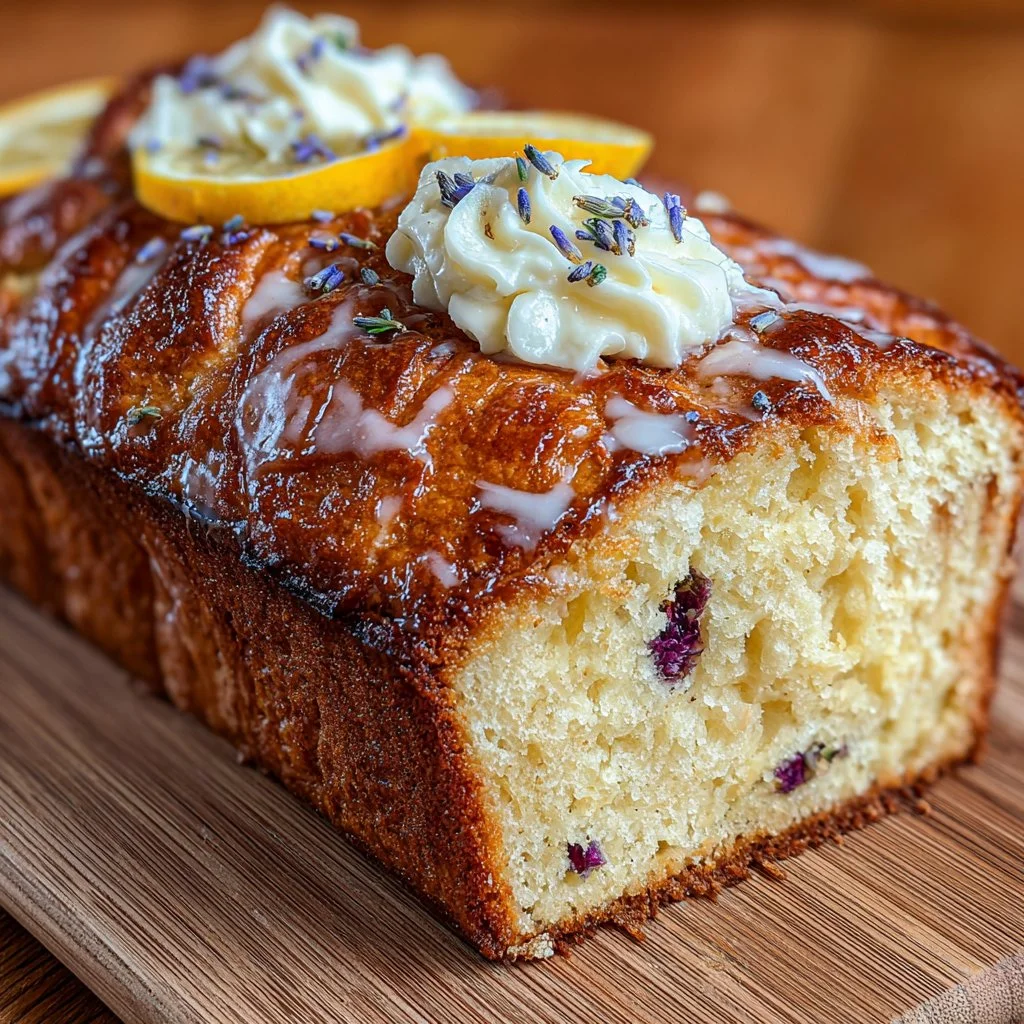
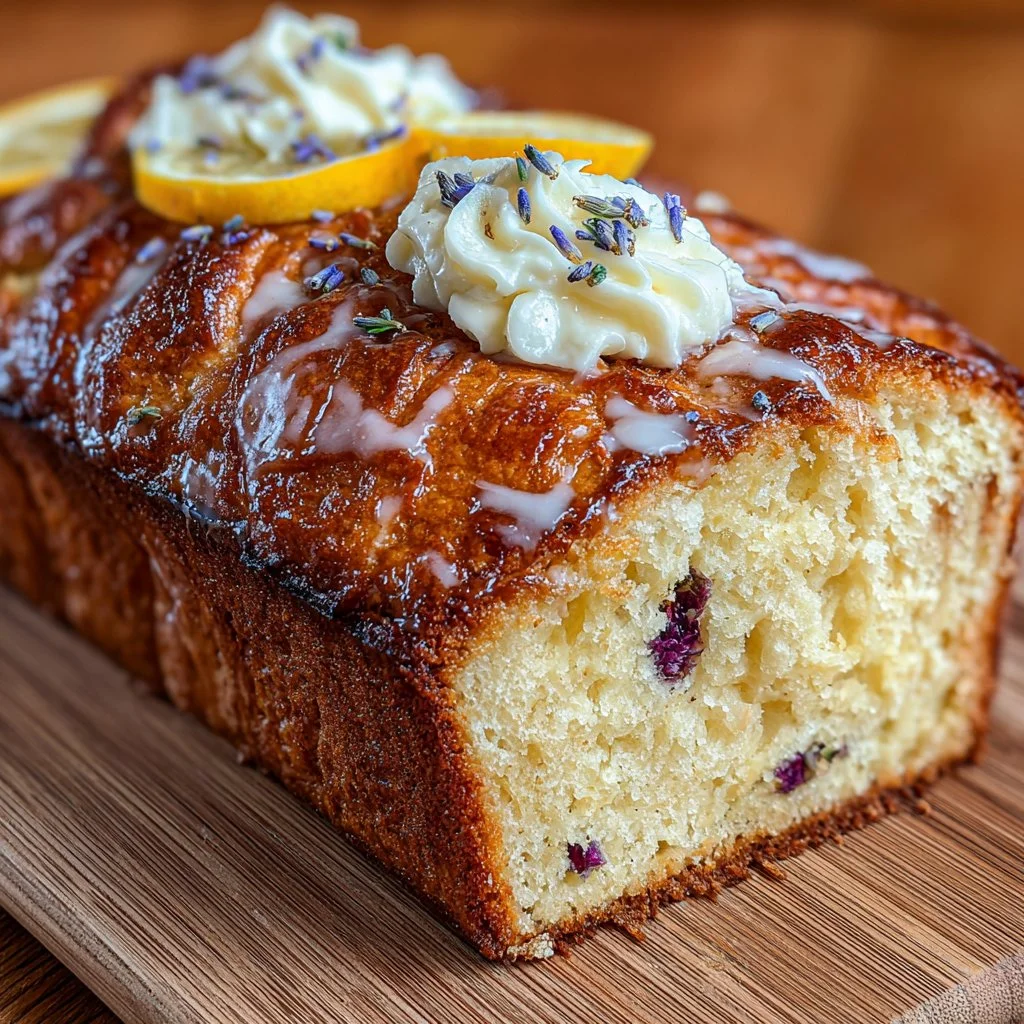
I still remember the first time I baked this Lemon Lavender Loaf Cake — the kitchen smelled like a perfumed orchard, and the slice I cut had the perfect balance of floral, citrus, and buttery crumb. It’s a loaf cake that feels a little fancy but is straightforward to make, ideal for brunches, afternoon tea, or as a simple dessert when you want something special without fuss. If you enjoy delicate floral notes, this loaf rewards patience with a tender crumb and a glossy lemon-vanilla glaze that brightens every bite. For more lemon-forward baking inspiration, I often pair this with textures from a flourless ricotta lemon-almond cake when hosting larger gatherings.
Why you’ll love this dish
This loaf is one of those recipes that looks elegant but doesn’t demand professional technique. The vegetable oil and yogurt keep the crumb moist for days, while culinary lavender provides a subtle floral layer that pairs beautifully with lemon zest and juice. It’s quick to mix, bakes in a single pan, and travels well—perfect for picnics, hostess gifts, or calming weeknight baking therapy.
“Delicate, bright, and perfectly balanced — this loaf became my go-to when I want something that tastes like spring.” — a satisfied baker
Aside from being delicious, it’s flexible: make it for a casual coffee morning, a bridal shower, or cut it into small slices for a dessert plate. If you like the lavender pairing, you might enjoy explorations in richer formats like a honey lavender cheesecake for an elegant twist.
Step-by-step overview
- Measure and combine dry ingredients (flour, baking powder, salt).
- Whisk oil, sugar, eggs, lemon zest, and vanilla until combined.
- Alternate folding in dry ingredients with yogurt and lemon juice to keep batter tender.
- Fold in culinary lavender gently.
- Bake in a loaf pan until a skewer comes out clean and edges are golden.
- Cool slightly, then pour a glossy lemon-vanilla glaze over the top.
- This high-level flow keeps the batter tender and makes the glaze smooth and pourable.
What you’ll need
Key ingredients (full list):
- 3/4 cup Vegetable Oil
- 2 tsp Culinary Lavender (dried, food-grade)
- 2 ½ cups (300g) All Purpose Flour, (measured correctly †)
- 1 ½ tsp Baking Powder
- 1/2 tsp Salt
- 1 ½ cup Sugar
- Zest of 2 Lemons
- 3 Eggs
- 1 tsp Vanilla
- 3/4 cup Plain Yogurt (do not use nonfat)
- Juice of 2 Lemons
- 1 ½ cups Confectioners Sugar
- 1/2 tbsp Vegetable Oil
- 2–4 tbsp Boiling Water (depending on desired glaze thickness)
- 1 tsp Vanilla Extract
- Pinch of Salt
- Purple Food Colouring (Optional)
Notes and substitutions:
- Measure flour by spooning into the cup and leveling or weigh 300 g for best consistency.
- Use culinary (food-grade) lavender only; non-culinary lavender is treated with oils and may be bitter.
- Full-fat plain yogurt gives moisture and tenderness—Greek yogurt works but thin it slightly with a splash of milk if too thick.
- For a dairy-free option, replace yogurt with full-fat coconut yogurt and ensure glaze ingredients suit the swap.
Directions to follow
- Preheat the oven to 350°F (175°C). Grease and line a 9×5-inch loaf pan with parchment, leaving an overhang for easy removal.
- In a medium bowl, whisk together flour, baking powder, and salt. Set aside.
- In a large bowl, combine vegetable oil and sugar. Whisk until combined and slightly glossy. Add lemon zest, eggs (one at a time), and 1 tsp vanilla, whisking until smooth.
- Stir in the yogurt and half the lemon juice until just incorporated.
- Add the dry ingredients to the wet in two additions, alternating with the remaining lemon juice. Mix gently—stop as soon as you have a homogeneous batter. Overmixing develops gluten and will toughen the loaf.
- Fold in 2 tsp culinary lavender using a spatula. If you prefer a milder floral note, use 1 tsp instead.
- Pour the batter into the prepared pan, smooth the top, and bake 50–60 minutes. Start checking at 45 minutes; a toothpick inserted in the center should come out with a few moist crumbs but not wet batter. If the top browns too quickly, tent loosely with foil.
- Let the loaf cool in the pan for 10–15 minutes, then lift onto a wire rack to cool completely before glazing.
Vanilla Lemon Glaze:
- Sift the confectioners’ sugar into a bowl. Stir in 1/2 tbsp vegetable oil, 1 tsp vanilla extract, and a pinch of salt. Add 2 tbsp boiling water and whisk until smooth. Add a third tablespoon of boiling water if you want a thinner glaze.
- Optionally tint a tiny portion with purple food coloring for a soft lavendery hue or drizzle white for a classic look.
- When the loaf is completely cool, pour the glaze over the top and allow it to set for at least 15 minutes before slicing.
Best ways to enjoy it
Slice the loaf thinly and serve with:
- A dollop of lightly whipped cream and extra lemon zest for brunch.
- Fresh berries and a pot of Earl Grey or lavender tea for an afternoon tea pairing.
- A scoop of vanilla ice cream for dessert—warm a slice slightly and top with ice cream for contrast.
- For a simple presentation, dust the loaf with extra powdered sugar and scatter a few whole lavender buds (for decoration only) on the plate.
Storage and reheating tips
- At room temperature: Wrap the cooled loaf tightly in plastic wrap or store in an airtight container for up to 3 days.
- Refrigerator: Keep for up to 7 days; the fridge will extend freshness but may firm the crumb—bring to room temperature before serving.
- Freezing: Wrap individual slices or the whole loaf in plastic wrap, then aluminum foil; freeze up to 3 months. Thaw overnight in the fridge or at room temperature.
- Reheating: Warm slices in a 300°F (150°C) oven for 8–10 minutes or microwave a single slice for 10–15 seconds. Avoid overheating the glaze.
Food safety note: Because this cake contains eggs, store it properly and do not leave it at room temperature beyond two hours in warm conditions. Always cool completely before wrapping for storage to prevent condensation.
Helpful cooking tips
- Measure flour accurately: spoon into the cup and level or use a scale for consistent results.
- Don’t overbake: check early and often toward the end of baking time to keep the loaf tender.
- Bloom the lavender: gently crush the dried lavender between your fingers before folding it in to wake up the oils. Too much lavender tastes soapy—stick to the recipe’s 2 tsp unless you really enjoy florals.
- Use room-temperature eggs to help the batter emulsify better.
- If your glaze seizes or is too thick, whisk in a teaspoon of boiling water at a time until you reach the desired consistency. For a glossier finish, add the final tablespoon of hot water last.
- For more lavender-sweet pairing ideas, see this inspiration on honey lavender cheesecake.
Creative twists
- Lemon-lavender bundt: Double the recipe and bake in a bundt pan for a show-stopping centerpiece.
- Lemon-lavender yogurt cake: Fold in 1/2 cup chopped blueberries for seasonal variation.
- Honey-sweetened: Swap half the sugar for honey and reduce yogurt by 2 tbsp to account for additional liquid.
- Gluten-free: Use a 1:1 gluten-free flour blend that includes xanthan gum; expect slight texture differences.
- Lemon-lavender loaf muffins: Bake in a muffin tin at 350°F (175°C) for 16–20 minutes for portable treats.
FAQ
How long does it take to make this cake from start to finish?
Hands-on time is about 15–20 minutes; baking is 50–60 minutes. Allow 30 minutes for cooling and glazing. Total time roughly 1 hour 40 minutes.
Can I use fresh lavender?
Fresh lavender can be used but is much more potent when dried; use sparingly and remove the stems. Culinary dried lavender is generally preferred for consistent flavor.
What does “measured correctly” for flour mean?
It means spooning the flour into the measuring cup and leveling it off with a straight edge, or better yet, weighing 300 g. Scooping directly with the cup compacts flour and adds too much, making baked goods dense.
Is this recipe safe for kids and pregnant people (lavender/eggs)?
Culinary lavender in small amounts is generally considered safe for most people, but if you have specific health concerns or are pregnant, consult a healthcare provider. As for eggs, the cake is baked fully—do not use if you need an egg-free option (use an appropriate substitute).
Can I make this dairy-free?
Yes—use a full-fat plant-based yogurt (coconut yogurt works well) and ensure your glaze ingredients are dairy-free. Note texture and flavor will change slightly.
Conclusion
If you want a loaf that feels both nostalgic and refined, this Lemon Lavender Loaf Cake delivers a tender crumb, bright lemon, and a whisper of floral perfume—perfect for gifting or a special weekend treat. For an alternative lavender-lemon method with slightly different proportions and technique, see this The Best Aromatic Lavender Lemon Loaf Recipe. If you prefer a compact tutorial with photos and step shortcuts, this Easy Lemon Lavender Loaf Recipe – Happy Foods Tube walks through the process visually.
Lemon Lavender Loaf Cake
Ingredients
For the cake
- 3/4 cup Vegetable Oil
- 2 tsp Culinary Lavender (dried, food-grade) Use culinary lavender only; non-culinary may be bitter.
- 2 ½ cups All Purpose Flour Measured correctly (300g).
- 1 ½ tsp Baking Powder
- 1/2 tsp Salt
- 1 ½ cups Sugar
- Zest of 2 lemons Lemon Zest
- 3 units Eggs Use room-temperature eggs.
- 1 tsp Vanilla
- 3/4 cup Plain Yogurt Do not use nonfat.
- Juice of 2 lemons Lemon Juice
For the glaze
- 1 ½ cups Confectioners Sugar
- 1/2 tbsp Vegetable Oil
- 2–4 tbsp Boiling Water Depending on desired glaze thickness.
- 1 tsp Vanilla Extract
- Pinch of salt Salt
- Optional units Purple Food Coloring For a soft lavendery hue.
Instructions
Preparation
- Preheat the oven to 350°F (175°C). Grease and line a 9×5-inch loaf pan with parchment.
- In a medium bowl, whisk together flour, baking powder, and salt. Set aside.
- In a large bowl, combine vegetable oil and sugar. Whisk until glossy. Add lemon zest, eggs (one at a time), and 1 tsp vanilla, whisking until smooth.
- Stir in yogurt and half the lemon juice until just incorporated.
- Add dry ingredients to wet in two additions, alternating with remaining lemon juice. Mix gently until homogeneous.
- Fold in culinary lavender gently.
Baking
- Pour batter into prepared pan, smooth the top, and bake for 50–60 minutes. Start checking at 45 minutes; a toothpick should come out with a few moist crumbs.
- Let the loaf cool in the pan for 10–15 minutes, then lift onto a wire rack to cool completely before glazing.
Glazing
- Sift confectioners’ sugar into a bowl. Stir in 1/2 tbsp vegetable oil, 1 tsp vanilla extract, and a pinch of salt. Add 2 tbsp boiling water and whisk until smooth.
- Adjust glaze thickness by adding more boiling water if desired. Pour glaze over cooled loaf and let set for at least 15 minutes before slicing.