Perfect Snickerdoodle Cookies


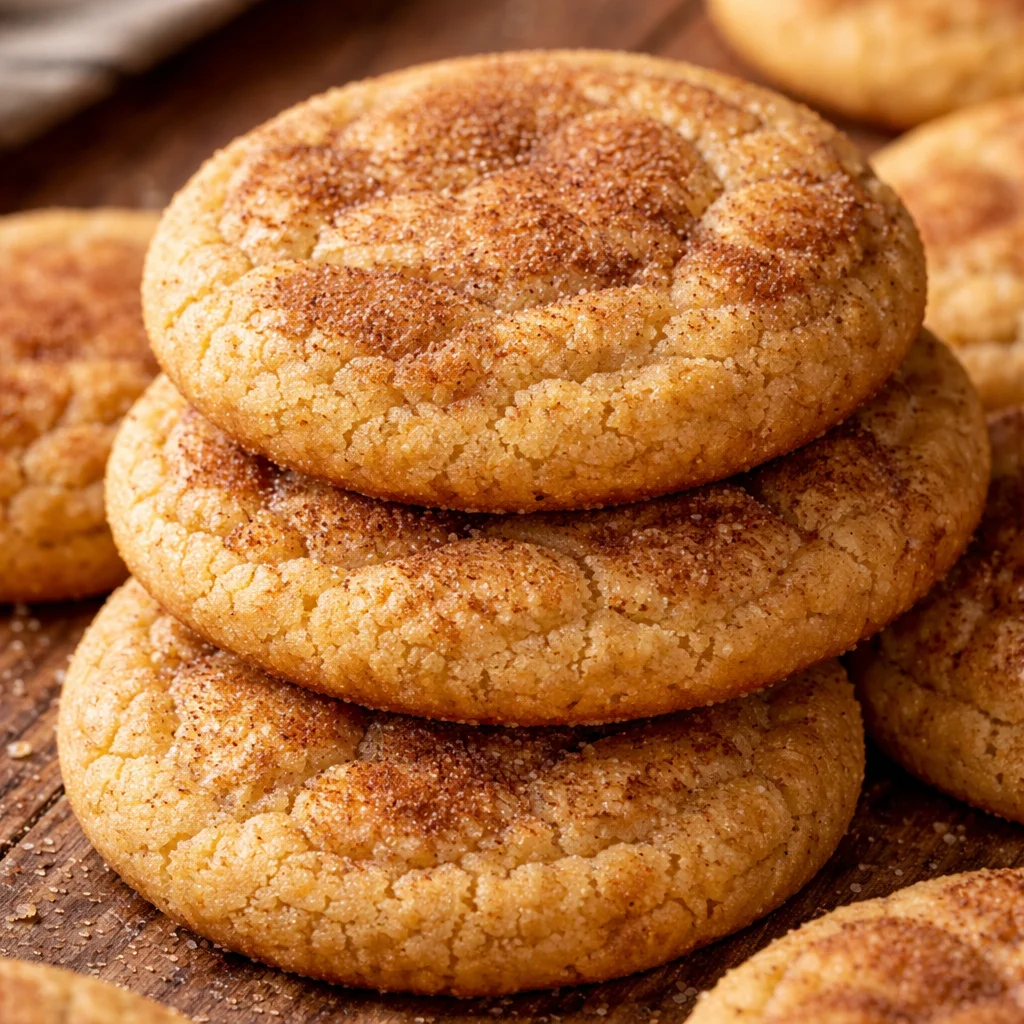
I baked my first batch of snickerdoodles on a rainy Saturday, and they disappeared before the second cup of coffee. These Perfect Snickerdoodle Cookies are classic: soft, slightly chewy centers with crisp, cinnamon-edged rims and that tangy hint from the cream of tartar. They’re a great bake for an afternoon snack, school lunches, cookie exchanges, or when you want a reliably comforting cookie that’s easy to make at home. If you enjoy buttery cookies with a cinnamon kiss, you might also like the texture contrast in this buttery, toasty butter pecan cookies recipe — similar comfort, different flavor.
Why you’ll love this dish
Snickerdoodles hit a sweet spot: simple ingredients, quick process, and a crowd-pleasing flavor. This recipe uses cream of tartar and baking soda to give the cookies that signature tang and tender chew without needing any exotic pantry items. They’re forgiving for home bakers, freeze well, and are kid-approved — ideal for last-minute cookie needs or an easy holiday tray addition.
“Perfect balance of tender center and cinnamon-crisp edge — my go-to when I want a classic cookie.” — a regular tester
For a chocolate-forward twist that borrows the same rolling-and-baking technique, see this chocolate snickerdoodle mashup that ramps up cocoa and spice.
How this recipe comes together
This is a straightforward creaming-style cookie: you cream butter with sugars, add eggs and vanilla, then fold in dry ingredients. The dough is scooped into balls, rolled in a cinnamon-sugar coating, and baked just until the edges color. Expect 8–10 minutes in the oven and a tender center that sets as the cookies cool on the pan.
Key stages:
- Mix dry ingredients (flour, baking soda, cream of tartar, salt).
- Cream butter and sugars until light.
- Add eggs and vanilla, then combine with dry mix.
- Roll dough into balls, coat with cinnamon sugar.
- Bake 8–10 minutes at 350°F (175°C), cool briefly on the baking sheet.
For a step-by-step that highlights handling and timing for soft centers, check this similar technique in a spiced cookie recipe: spiced chocolate cookie technique.
What you’ll need
- 2 3/4 cups all-purpose flour (spooned and leveled; for slightly chewier cookies, replace 1/4 cup with bread flour)
- 1 teaspoon baking soda
- 1/2 teaspoon cream of tartar (essential for traditional tang and texture)
- 1/2 teaspoon salt
- 1 cup (2 sticks) unsalted butter, softened (do not melt)
- 1 1/2 cups granulated sugar
- 1/4 cup packed brown sugar (adds depth and moisture)
- 2 large eggs, room temperature
- 2 teaspoons vanilla extract
- 2 tablespoons granulated sugar (for rolling)
- 1 tablespoon ground cinnamon (for rolling)
Notes: If you need a dairy-free version, use a vegan stick butter substitute and an extra tablespoon of oil; texture will vary. For a gluten-free option, try a 1:1 measure of a cup-for-cup gluten-free flour blend but know the chew will be slightly different. For more ideas on flour swaps and texture, see this almond flour oatmeal cookie reference.
Step-by-step instructions
- Preheat the oven to 350°F (175°C). Line baking sheets with parchment paper or use ungreased pans.
- Whisk the flour, baking soda, cream of tartar, and salt in a medium bowl until combined.
- In a large bowl, beat the softened butter with the granulated sugar and brown sugar until smooth and slightly fluffy, about 2–3 minutes.
- Add the eggs one at a time, beating after each addition. Stir in the vanilla.
- Gradually add the dry ingredients to the wet mixture. Mix until just combined — don’t overmix.
- In a small bowl, combine 2 tablespoons granulated sugar with 1 tablespoon ground cinnamon.
- Scoop or roll dough into 1–1.5 tablespoon-sized balls, then roll each ball in the cinnamon-sugar until fully coated.
- Place the coated dough balls on the baking sheets, spacing them about 2 inches apart.
- Bake 8 to 10 minutes. Look for lightly golden edges and a set surface; centers will still be soft.
- Let cookies cool on the baking sheet for 2–3 minutes, then transfer to wire racks to cool completely.
Short, clear verbs and timing help you move through the steps with confidence. For an alternate presentation and inspiration on flavor pairings, see these Almond Joy-inspired treats.
Best ways to enjoy it
Serve snickerdoodles warm with a glass of cold milk for a nostalgic combo. They’re also excellent with:
- Coffee or chai — the cinnamon plays beautifully with both.
- Ice cream sandwiches — use slightly larger cookies and a scoop of vanilla or cinnamon ice cream.
- A simple cookie tray — their cinnamon coating adds visual appeal among a variety of cookies.
For plating, stack three cookies at an angle on a small plate, dust lightly with extra cinnamon-sugar, and garnish with a cinnamon stick for cozy presentation.
How to store & freeze
Room temperature: Store cooled cookies in an airtight container for up to 5 days. Place a slice of bread in the container to help maintain softness (replace the bread every 24 hours if needed).
Refrigeration: Not necessary and can dry cookies. Only refrigerate if your kitchen is extremely hot; bring cookies back to room temp before serving.
Freezing: Freeze baked cookies in a single layer on a tray until solid, then transfer to a freezer-safe bag for up to 3 months. Thaw at room temperature. You can also freeze dough balls on a tray, then transfer to a bag — bake from frozen, adding 1–2 minutes to baking time.
Food safety: Always cool cookies completely before sealing to avoid condensation and mold growth.
Helpful cooking tips
- Measure flour correctly: spoon into the cup and level it — too much flour makes dense cookies.
- Don’t overcream: stop when the butter-sugar mix is light. Overbeating can trap excess air and make cookies flat.
- Use room-temperature eggs so they incorporate cleanly and give structure.
- Watch the oven during the last two minutes — snickerdoodles can go from perfect to overbaked quickly.
- For perfectly round cookies, chill the rolled dough for 10–20 minutes before baking to reduce spreading.
Creative twists
- Brown butter snickerdoodles: brown the butter, cool, then use instead of softened butter for nutty depth.
- Orange-cinnamon: add 1 teaspoon finely grated orange zest to the dough for bright citrus notes.
- Pumpkin-spiced: swap 1/2 teaspoon cinnamon in the dough for pumpkin pie spice and add a tablespoon of pureed pumpkin (reduce butter slightly).
- Chocolate-dipped: dip half of each cooled cookie in melted dark chocolate and chill to set.
- Lower-sugar option: reduce granulated sugar by 2 tablespoons; texture will be slightly less tender.

Common questions
Q: Can I make the dough ahead of time?
A: Yes. Chill the dough tightly wrapped for up to 48 hours. For longer storage, freeze dough balls for up to 3 months and bake from frozen (add 1–2 minutes).
Q: Why is cream of tartar used?
A: Cream of tartar gives snickerdoodles their classic tang and helps with chew and spread by slightly acidifying the dough. If you omit it, the cookies will taste sweeter and be less “snickerdoodly.”
Q: My cookies spread too much — what went wrong?
A: Likely causes: butter too soft or melted, too much sugar, overworking the dough, or oven temperature too low. Chill dough for 10–20 minutes and ensure butter is softened but not greasy.
Q: How do I keep the centers soft while getting crisp edges?
A: Bake just until edges are lightly golden and centers look set but soft. Cool briefly on the baking sheet; residual heat completes the bake while preserving the soft center.
Q: Can I make these gluten-free or vegan?
A: Gluten-free: use a cup-for-cup GF blend and expect slightly different chew. Vegan: use vegan butter and a flax “egg” (1 tbsp ground flax + 3 tbsp water per egg), though texture will change.
Conclusion
If you want a classic, reliable cookie with simple pantry ingredients and a nostalgic cinnamon kick, this snickerdoodle recipe is hard to beat. For another highly rated take on the classic to compare techniques, check out The Best Snickerdoodle Cookie Recipe – Modern Honey, and for a popular home-baker version with helpful photos, see The Best Snickerdoodle Recipe.
Snickerdoodle Cookies

Ingredients
Dry Ingredients
- 2 3/4 cups all-purpose flour (spooned and leveled; for slightly chewier cookies, replace 1/4 cup with bread flour) Spoon flour into the cup and level it.
- 1 teaspoon baking soda This helps the cookies rise.
- 1/2 teaspoon cream of tartar Essential for traditional tang and texture.
- 1/2 teaspoon salt Enhances the overall flavor.
Wet Ingredients
- 1 cup unsalted butter, softened (do not melt) Should be soft, not greasy.
- 1 1/2 cups granulated sugar For sweetness.
- 1/4 cup packed brown sugar Adds depth and moisture.
- 2 large eggs, room temperature Should be at room temperature for better incorporation.
- 2 teaspoons vanilla extract For flavor.
For Rolling
- 2 tablespoons granulated sugar For rolling.
- 1 tablespoon ground cinnamon For rolling.
Instructions
Preparation
- Preheat the oven to 350°F (175°C). Line baking sheets with parchment paper or use ungreased pans.
- Whisk the flour, baking soda, cream of tartar, and salt in a medium bowl until combined.
- In a large bowl, beat the softened butter with the granulated sugar and brown sugar until smooth and slightly fluffy, about 2–3 minutes.
- Add the eggs one at a time, beating after each addition. Stir in the vanilla.
- Gradually add the dry ingredients to the wet mixture. Mix until just combined — don’t overmix.
Baking
- In a small bowl, combine 2 tablespoons granulated sugar with 1 tablespoon ground cinnamon.
- Scoop or roll dough into 1–1.5 tablespoon-sized balls, then roll each ball in the cinnamon-sugar until fully coated.
- Place the coated dough balls on the baking sheets, spacing them about 2 inches apart.
- Bake 8 to 10 minutes. Look for lightly golden edges and a set surface; centers will still be soft.
- Let cookies cool on the baking sheet for 2–3 minutes, then transfer to wire racks to cool completely.