Sweet and Spicy Cajun Salmon

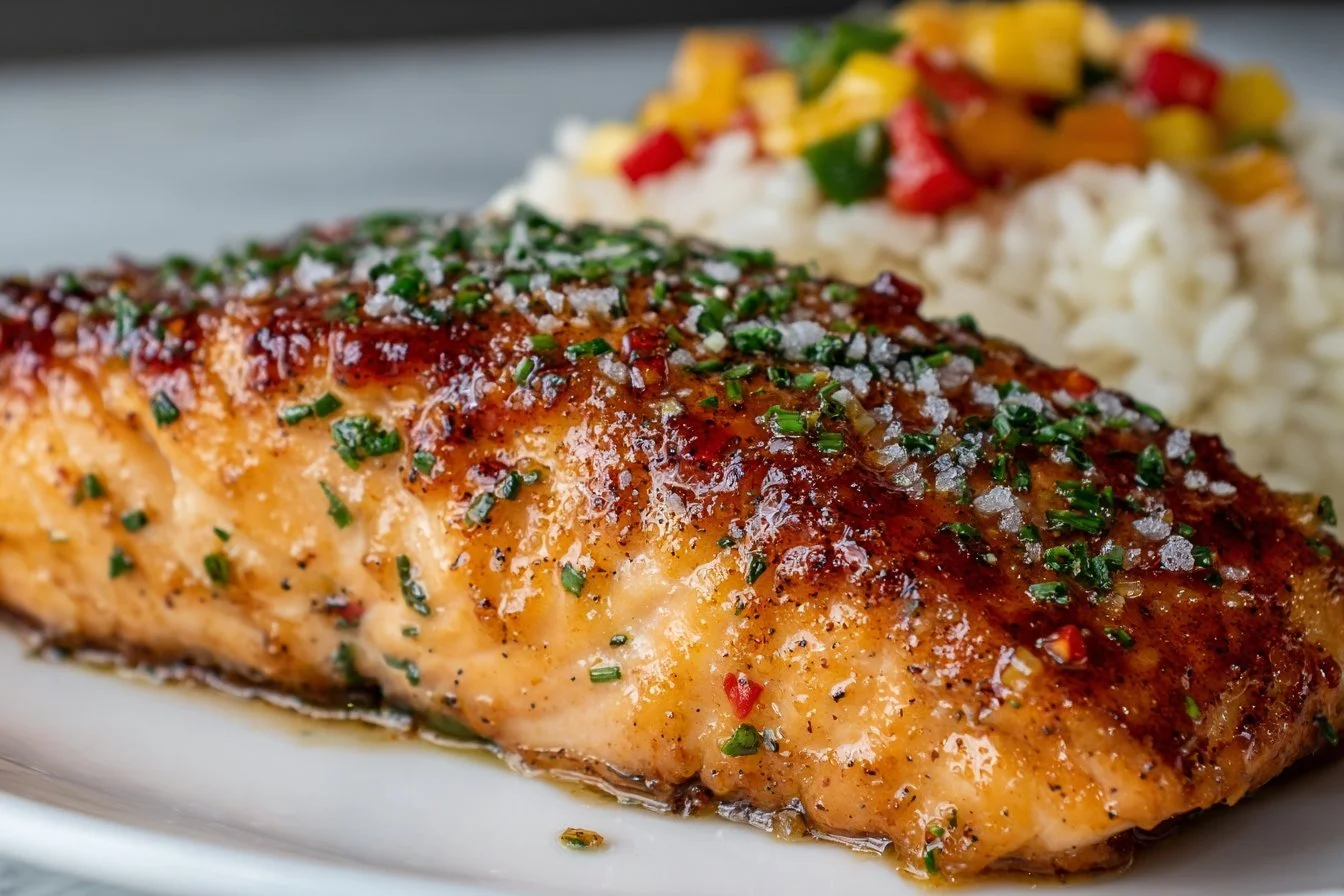
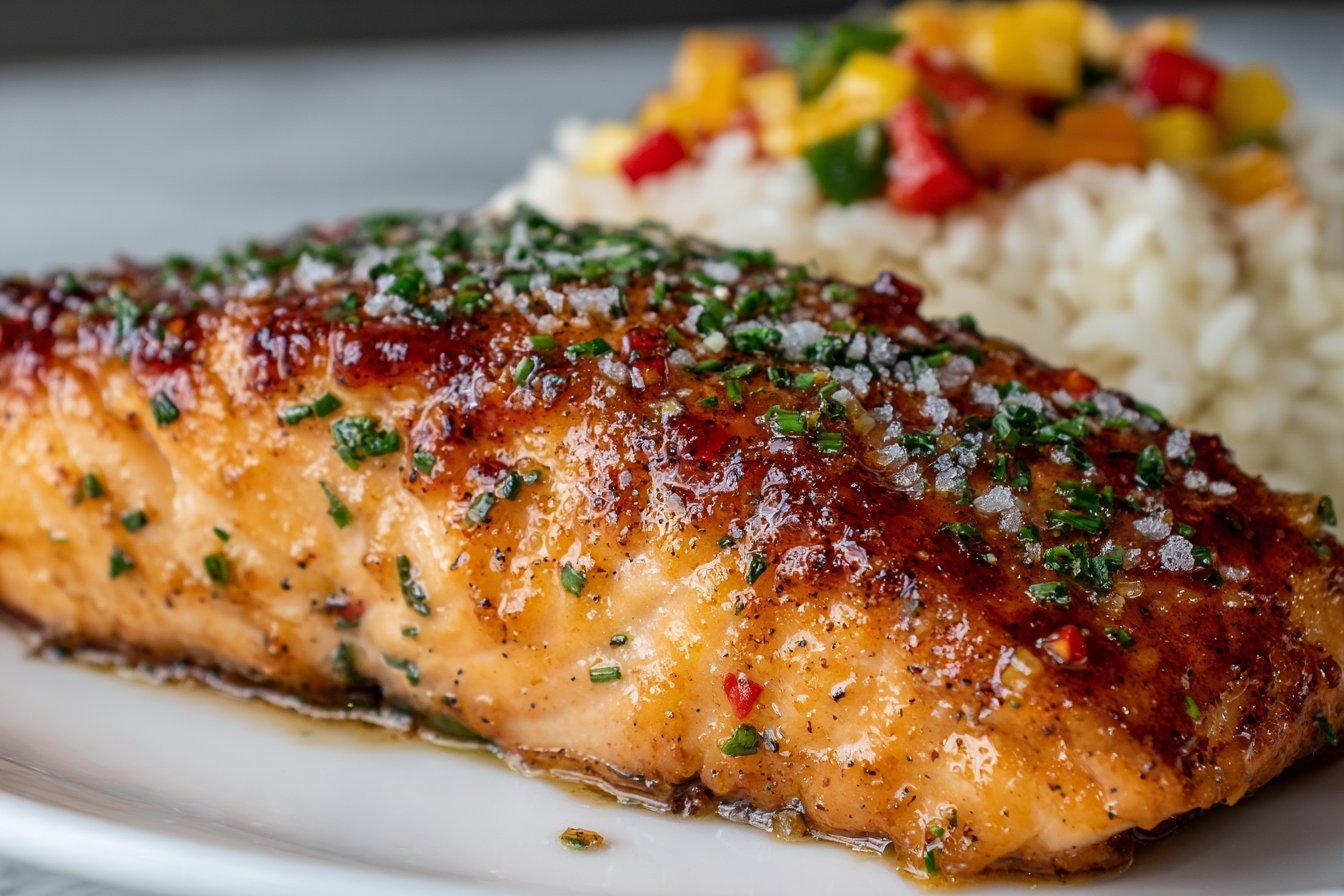
I’ve made this Sweet and Spicy Cajun Salmon more times than I can count when I need dinner that feels fancy but cooks quickly. It’s a simple baked fillet finished with a sticky brown sugar–Cajun glaze and a bright squeeze of lime — perfect for weeknights, casual guests, or anyone who likes a little kick balanced by sweet. If you like pairing bold seafood with comfort sides, try it alongside a creamy mash or a green salad for an effortless complete meal; it even teams well with a richer plate like Cajun shrimp and salmon with garlic cream sauce for a weekend dinner that impresses.
Why you’ll love this dish
This salmon hits a satisfying contrast: spicy Cajun heat rounded out by caramelized brown sugar and a bright finishing lime. It’s fast — about 20 minutes from oven to table — yet looks and tastes like something from a restaurant. The glaze caramelizes in the oven so you get a glossy finish without extra hands-on time, and the recipe scales easily for two or a crowd.
“Sweet, smoky, and spicy with just the right amount of caramelization — makes weeknights feel special.” — a regular at my dinner table
You’ll also like this because it’s flexible: use skin-on fillets for a crisp edge, or skinless for easier plating. And if you want heartier sides, this works beautifully with other Creole-style mains like a garlic-cream paired seafood plate.
How this recipe comes together
Overview: preheat, whisk a quick glaze, pat salmon dry, coat, bake, finish with lime. The glaze — Cajun seasoning + brown sugar + olive oil — forms a thin, caramelized shell in the oven. Expect 12–15 minutes of baking for medium-thick fillets (6–8 oz). Rest briefly so juices redistribute, then squeeze fresh lime to cut the sweetness and lift the spices.
Prep timeline:
- 5 minutes: mix glaze
- 2–3 minutes: pat and glaze fillets
- 12–15 minutes: bake
- 2–3 minutes: rest and finish
Gather these items
Key ingredients
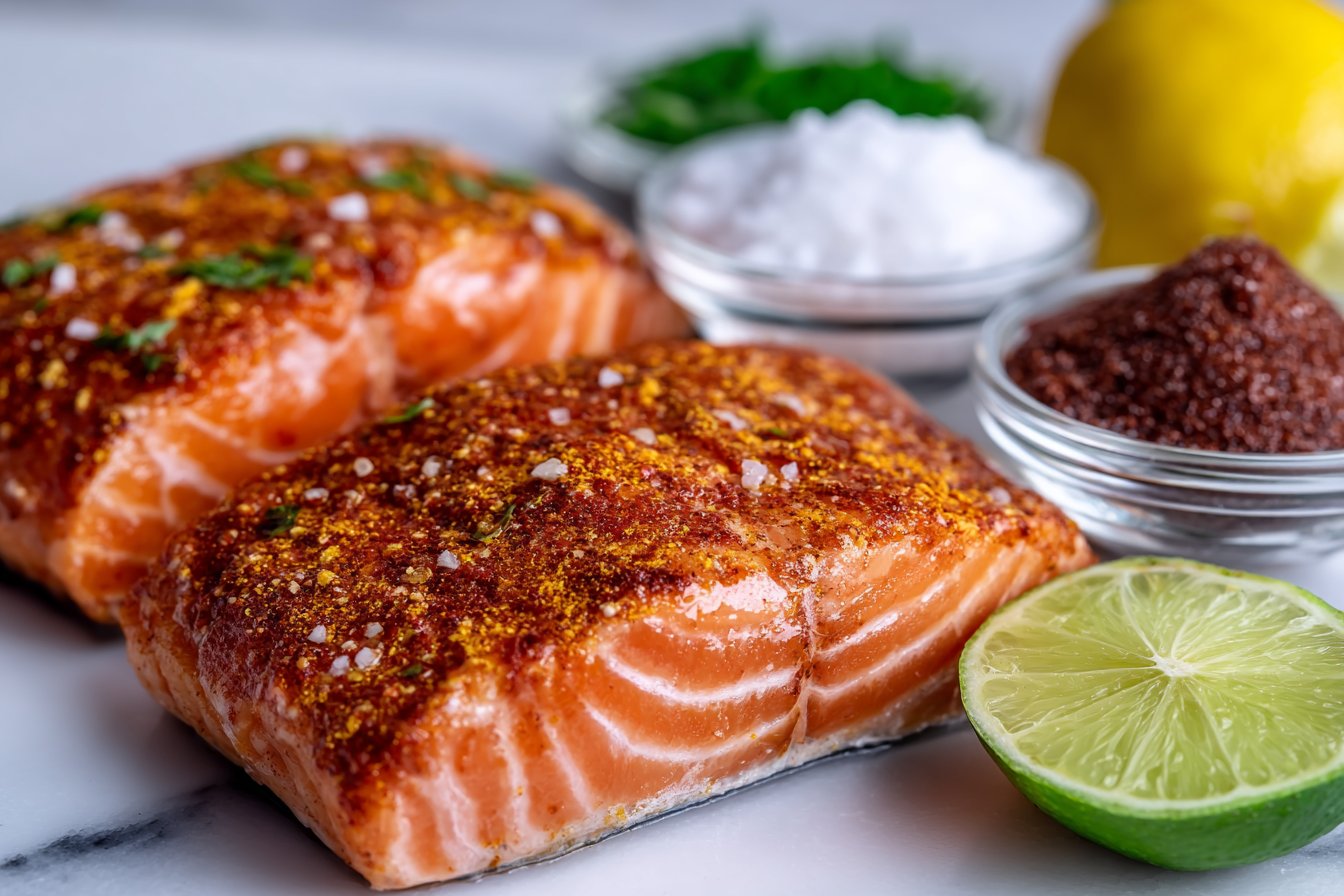
- Salmon fillets, 6–8 oz each (preferably sustainably sourced)
- Cajun seasoning, 1–2 tsp per fillet (adjust to spice tolerance)
- Brown sugar (light or dark), about 1 tbsp per 2 fillets — more for a sweeter glaze
- Olive oil, 1–2 tsp to help bind the glaze
- Salt (a light pinch; Cajun seasoning may already contain salt)
- Freshly ground black pepper
- Lime juice, freshly squeezed to finish
Ingredient notes and substitutions:
- Cajun seasoning: use a mild Creole blend if you prefer less heat. Or make your own (paprika, garlic powder, onion powder, cayenne, oregano, thyme).
- Brown sugar: dark brown gives deeper molasses notes; light brown is milder.
- Salmon: any firm salmon (Atlantic, sockeye, coho) will work. Thicker fillets may need an extra 2–3 minutes.
- Olive oil: neutral oil like avocado oil can be used if you want a higher smoke point.
Directions to follow
- Preheat the oven to 400°F (200°C). Line a baking sheet with parchment paper for easy cleanup.
- In a small bowl, whisk together Cajun seasoning, brown sugar, olive oil, a pinch of salt, and a few grinds of black pepper until it forms a loose glaze.
- Pat the salmon dry with paper towels. Drying the surface helps the glaze stick and encourages even browning.
- Brush or spoon the glaze over each fillet, using 1–2 teaspoons of seasoning per fillet depending on how spicy you like it. Make sure the top is evenly coated.
- Arrange the fillets skin-side down (if there’s skin) on the prepared baking sheet, spacing them so air can circulate.
- Bake for 12–15 minutes, depending on thickness, until the salmon is opaque and flakes easily with a fork. For accuracy, check the internal temperature — 145°F (63°C) is the USDA safe temperature for fish, though many cooks remove it at 125–130°F for a moister result.
- Remove from the oven and let rest for 2–3 minutes. Finish with a generous drizzle of fresh lime juice just before serving.
Tip: If you like a charred top, switch to broil for the last 1–2 minutes — watch closely so the sugar doesn’t burn.
How to plate and pair
Best ways to enjoy it:
- Plate: place the fillet over a smear of mashed sweet potatoes or creamy mashed potatoes. Garnish with lime wedges and chopped parsley.
- Sides: roasted asparagus, sautéed greens, or a crisp cucumber-tomato salad are bright, simple pairings. For a heartier meal, serve with rice pilaf or the garlic-cream-style sides in this seafood and potatoes recipe.
- Drinks: a citrusy white wine (Sauvignon Blanc) or a light lager cuts through the sweetness and spice.
Presentation tip: if the fillet has skin, slide a spatula between skin and flesh and serve skin-side down for a crisp visual accent.
Storage and reheating tips
Keeping leftovers fresh:
- Refrigerate: Place cooled salmon in an airtight container and refrigerate within two hours of cooking. Eat within 2–3 days.
- Freeze: Wrap fillets tightly in plastic wrap and foil or use a vacuum bag. Freeze up to 2 months. Thaw overnight in the fridge before reheating.
- Reheat: Warm gently in a 275°F oven for 10–12 minutes or until just heated through. Microwaving on low power in short bursts works in a pinch, but the texture can become dryer.
Food safety: always cool cooked fish to room temperature no longer than two hours before refrigerating. Use a food thermometer to confirm doneness when cooking for vulnerable eaters.
Pro chef tips
- Pat dry: always dry the salmon — moisture prevents proper caramelization.
- Even thickness: if fillets are uneven, fold the thin end under to create a uniform thickness for consistent cooking.
- Thermometer: use an instant-read thermometer for perfect doneness. Salmon continues to carryover cook by a few degrees while resting.
- Low sugar burn: if your brown sugar content is high, bake at 400°F but avoid close broiler time — sugar burns fast.
- Skin-on advantage: keep skin on during baking to protect the flesh from overcooking; remove it before serving if desired.
- Quick sides: roast small diced potatoes on the same sheet pan with a little oil and a sprinkle of paprika for a one-pan meal.
For a crunchy, sweet-spicy vegetable side try quick pickled carrots like these hot honey pickled carrots — they add bright acidity and texture.
Flavor swaps
Creative twists to try:
- Honey-maple glaze: swap brown sugar for honey or maple syrup for floral sweetness. Reduce oven time slightly to avoid burning.
- Citrus-cilantro: add orange zest to the glaze and finish with a cilantro-lime salsa.
- Smoky: add smoked paprika and a touch of liquid smoke for campfire notes.
- Less heat: halve the Cajun seasoning and add smoked paprika plus a pinch of garlic for milder flavor.
- Grill or air fryer: brush with glaze and grill over medium-high heat for 4–5 minutes per side, or air-fry at 375°F for 8–10 minutes for a crisp exterior.
Your questions answered
Q: How long does this take from start to finish?
A: Plan on about 20 minutes total: 5–8 minutes prep and 12–15 minutes baking. Exact time depends on fillet thickness.
Q: Can I use frozen salmon?
A: Yes — thaw overnight in the fridge before cooking. Pat dry thoroughly to ensure the glaze adheres and the sugar caramelizes.
Q: What if I don’t have Cajun seasoning?
A: Mix paprika, garlic powder, onion powder, dried oregano, dried thyme, cayenne (start small), and salt as a simple homemade Cajun blend.
Q: Is brown sugar necessary?
A: The sugar balances the spice and helps create a glaze. You can substitute honey or maple syrup, but watch closely to prevent burning.
Q: How do I make this less spicy for kids?
A: Use 1/2 tsp of Cajun seasoning per fillet or swap for a mild paprika-based rub. The lime finish still lends brightness kids often enjoy.
Conclusion
This Sweet and Spicy Cajun Salmon is a reliable weeknight winner — quick to make, flexible to adapt, and satisfying for both spicy-food lovers and those who prefer a touch of sweetness. If you want another take on the brown sugar–Cajun combination with similar glaze ideas, check out this Sweet and Spicy Cajun Brown Sugar Salmon – The Hungry Bluebird. For a grilled variation that adds buttery char and honey notes, see this Cajun Grilled Salmon – Creme De La Crumb.
Sweet and Spicy Cajun Salmon
Ingredients
For the Salmon
- 2 fillets Salmon fillets, 6–8 oz each (preferably sustainably sourced)
- 2 tsp Cajun seasoning, 1–2 tsp per fillet (adjust to spice tolerance) Use a mild Creole blend for less heat, or make your own.
- 1 tbsp Brown sugar (light or dark), about 1 tbsp per 2 fillets — more for a sweeter glaze Dark brown gives deeper molasses notes; light brown is milder.
- 2 tsp Olive oil, 1–2 tsp to help bind the glaze Neutral oil like avocado oil can be used.
- 1 pinch Salt Cajun seasoning may already contain salt.
- 1 to taste Freshly ground black pepper
- 1 lime Lime juice, freshly squeezed to finish Squeeze just before serving.
Instructions
Preparation
- Preheat the oven to 400°F (200°C). Line a baking sheet with parchment paper.
- In a small bowl, whisk together Cajun seasoning, brown sugar, olive oil, a pinch of salt, and a few grinds of black pepper until it forms a loose glaze.
- Pat the salmon dry with paper towels.
- Brush or spoon the glaze over each fillet, using 1–2 teaspoons of seasoning per fillet.
Cooking
- Arrange the fillets skin-side down on the prepared baking sheet, spacing them for air circulation.
- Bake for 12–15 minutes until the salmon flakes easily with a fork. Check internal temperature for doneness.
- Remove from oven and let rest for 2–3 minutes, then finish with fresh lime juice.