Thai Drunken Noodles – Pad Kee Mao

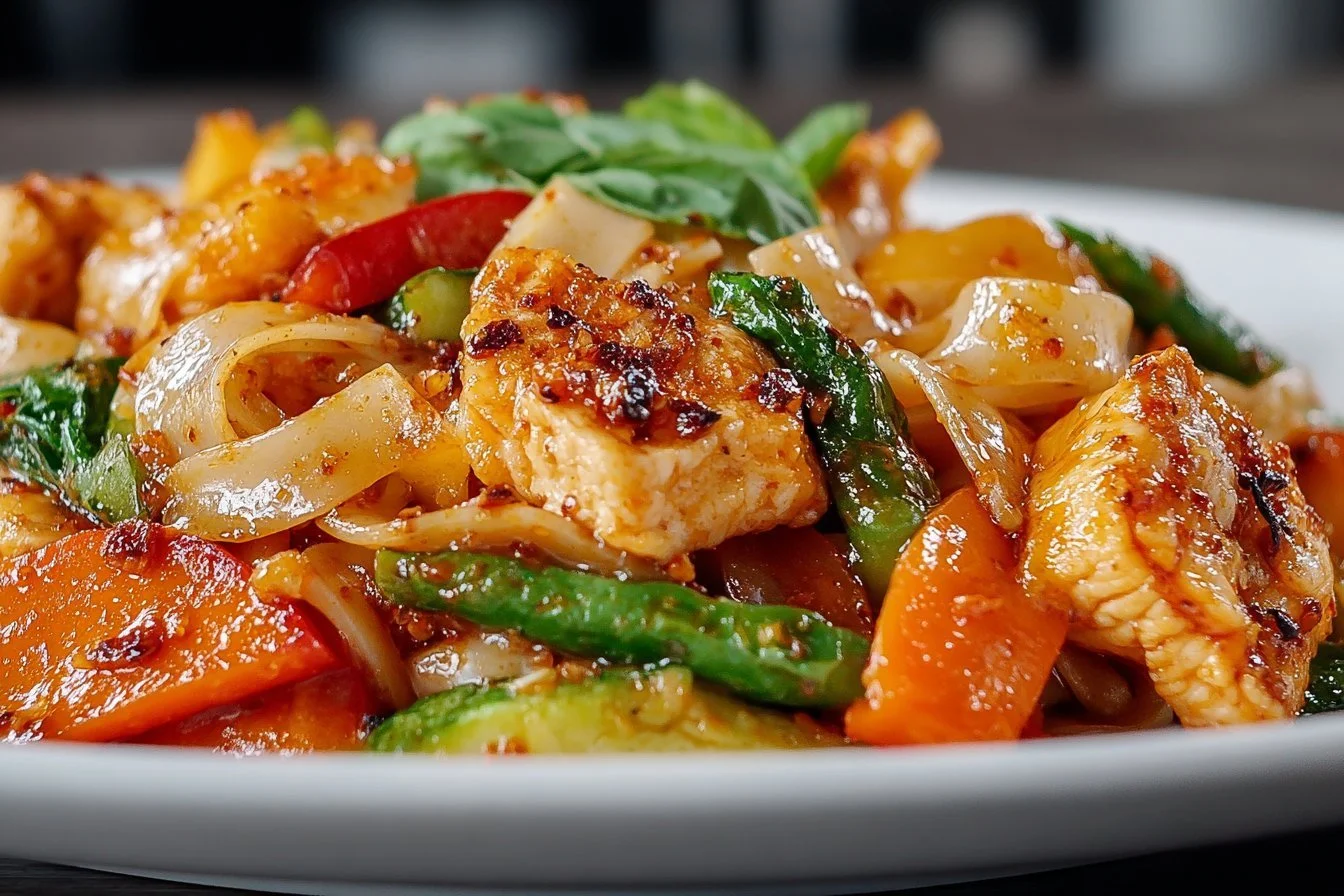
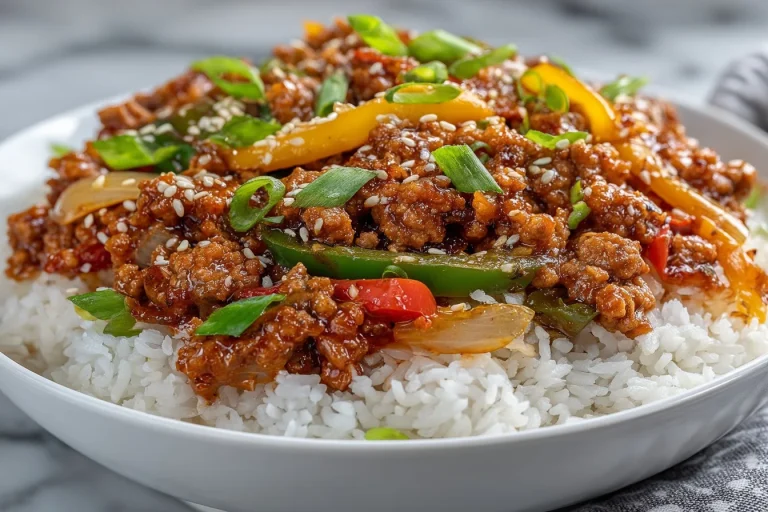
I first learned to make this fiery, herb-scented stir-fry from a Bangkok street vendor who tossed everything in a screaming hot wok and shouted at me to taste it before it cooled. Pad Kee Mao — Thai drunken noodles — is that same rush of heat, sweet-salty sauce, and fragrant basil, pulled together with wide rice noodles. It’s perfect for weeknights when you want bold flavor without fuss, and it also scales up easily for a crowd. If you like a street-food vibe at home, this recipe gives you that smoky wok-char and fresh herbs in under 30 minutes. For a slightly different street-style spin, check this take on the dish here.
Why you’ll love this dish
Pad Kee Mao hits several cravings at once: spicy, savory, bright from lime and herbs, and comfortably filling thanks to wide rice noodles. It’s fast to make, budget-friendly (use tofu or chicken), and flexible — change the veggies or protein to suit what’s in your fridge. Because it cooks quickly, it keeps veggies crisp and herbs fragrant, delivering the contrast that makes Thai food so addictive.
“Hands down the most balanced takeout-style stir-fry I can make at home — smoky wok flavor, fresh basil, and just the right kick.”
If you want to pair it with other noodle bowls or try a meat-forward version, see this beef-and-noodles recipe for inspiration.
How this recipe comes together
A quick overview so you know what to expect:
- Boil or soak wide rice noodles until just tender, then toss with oil to prevent sticking.
- Heat a large skillet or wok until hot, then stir-fry garlic briefly.
- Add your protein (chicken, shrimp, or tofu) and cook through.
- Toss in quick-cooking vegetables and keep everything moving so nothing overcooks.
- Add noodles and the sauce (soy + oyster + chili). Stir and toss to coat and let the noodles pick up the wok heat.
- Remove from heat, fold in fresh basil, cilantro, and lime juice. Serve immediately.
This order keeps textures distinct: tender noodles, crisp veggies, and bright herbs at the end.
What you’ll need
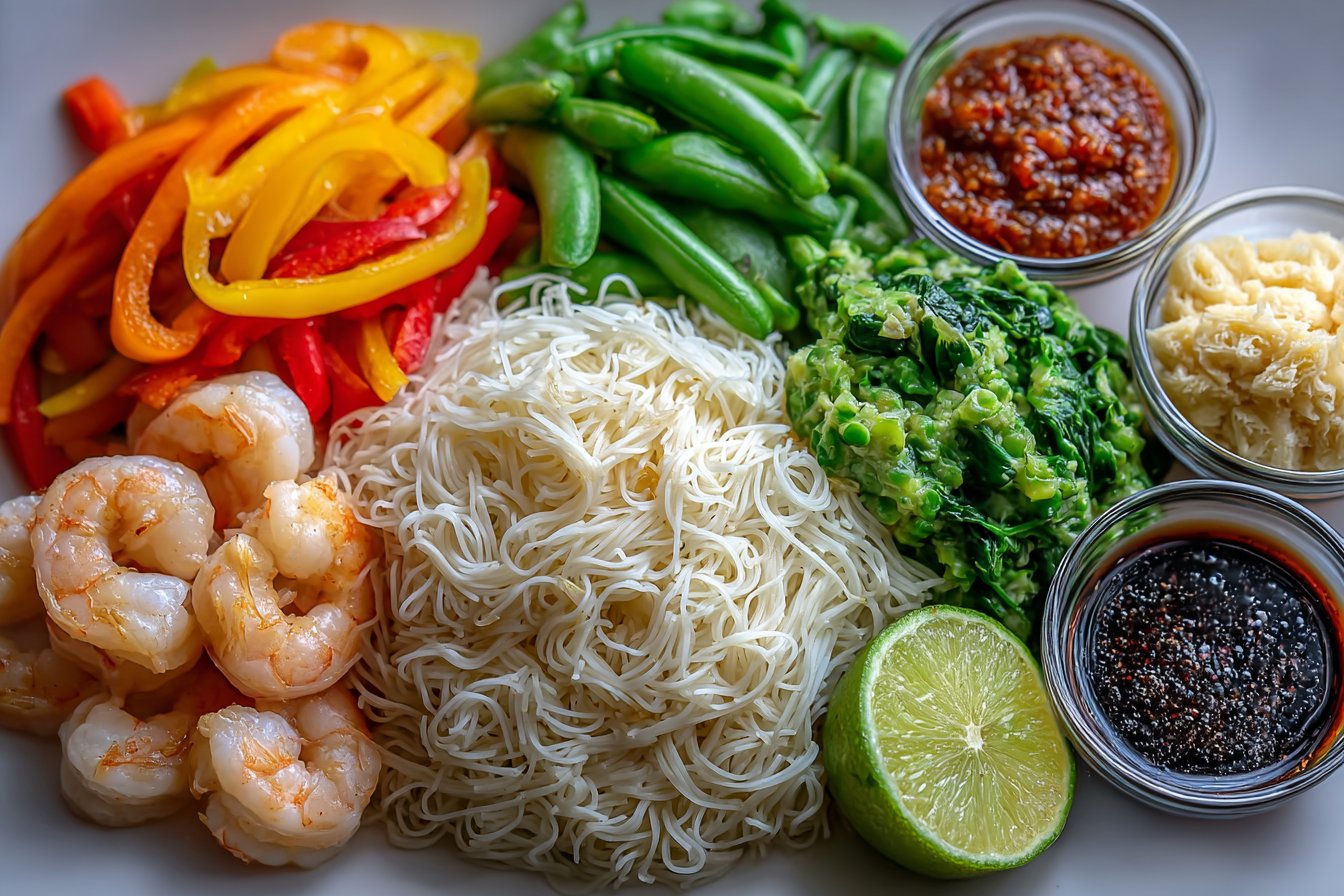
- Wide rice noodles (fresh or dried) — enough for 2–4 servings
- 2–3 cloves garlic, minced
- 1 cup mixed vegetables (bell pepper, carrot, snap peas, or Thai eggplant)
- 1 lb protein: chicken, shrimp, or firm tofu, cut into bite-sized pieces
- 2–3 tbsp soy sauce (low-sodium works)
- 1–2 tbsp oyster sauce (use vegetarian mushroom sauce for vegan)
- 1–2 tsp chili paste or sauce (sambal oelek or Sriracha are good)
- Juice of 1 lime
- 1 cup fresh basil leaves (Thai basil preferred) and a handful cilantro, roughly torn
- 2 tbsp vegetable oil or another neutral oil
- Optional garnishes: extra basil, lime wedges, sliced chilies, crushed peanuts
Notes/substitutions:
- If you can’t find Thai basil, sweet basil is okay but less peppery.
- For a gluten-free version, use tamari and a gluten-free oyster alternative.
- Fresh wide rice noodles give the best texture; dried noodles work well if rehydrated per package instructions.
Step-by-step instructions
- Cook the wide rice noodles according to package directions. Drain and toss with a little oil to keep them from sticking. Set aside.
- Warm a large skillet or wok over medium-high heat until very hot. Add the vegetable oil and let it shimmer.
- Add the minced garlic and stir-fry about 30 seconds, just until fragrant. Don’t let it brown.
- Add your protein (chicken, shrimp, or tofu). Stir-fry until fully cooked — about 4–6 minutes for chicken, 2–3 minutes for shrimp, or until tofu is golden.
- Add the mixed vegetables and stir-fry 2–3 minutes until they’re tender-crisp. Keep everything moving.
- Push the cooked ingredients to one side. Add the noodles to the pan. Pour the soy sauce, oyster sauce, and chili paste evenly over the noodles. Stir and toss vigorously so the noodles absorb the sauce and pick up some char.
- Remove the pan from the heat. Fold in the torn basil, cilantro, and lime juice. Toss once more to combine.
- Serve immediately with optional garnishes: extra basil, lime wedges, sliced chilies, or crushed peanuts.
Short tip: work quickly on high heat so the noodles don’t become gummy and the basil stays bright.
Best ways to enjoy it
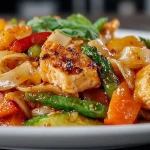
Plate a mound of noodles and tuck a lime wedge on the side. A sprinkling of crushed peanuts adds texture, while extra sliced chilies please heat seekers. For a full meal, serve with a simple cucumber salad or lightly pickled vegetables to balance the richness. If you prefer a milder menu, pair it with a cooling coconut milk soup.
For an alternative pairing that leans sweeter and saucier, try these chicken teriyaki noodles as a complementary side or alternate main course.
Storage and reheating tips
- Refrigerate: Store leftovers in an airtight container for up to 3 days. Rice noodles soften over time, so expect a change in texture.
- Reheat: Reheat in a hot skillet with a splash of oil or a few drops of water to revive the noodles. Microwaving works but can make them gummy.
- Freeze: Not ideal. Freezing alters noodle texture; if you must, freeze only the sauce separately for up to 1 month and toss with freshly cooked noodles later.
Food safety note: cool leftovers to room temperature no longer than 2 hours before refrigerating.
Helpful cooking tips
- Use the hottest pan you can safely manage; high heat gives you that wok-char flavor.
- Don’t overcrowd the pan — work in batches if needed so ingredients sear rather than steam.
- Add herbs off the heat. Basil and cilantro wilt quickly; folding them in at the end preserves aroma.
- Taste and adjust: balance of salty (soy), sweet (a pinch of sugar if needed), sour (lime), and heat (chili) is personal. Adjust before serving.
- If noodles clump, toss briefly in warm water or give them a quick stir-fry with oil to separate strands.
Creative twists
- Vegan: swap oyster sauce for mushroom sauce and use tofu. Add a teaspoon of sugar if you miss the deeper umami.
- Protein swaps: sliced beef or pork cooks quickly and works well — slice thin against the grain.
- Noodle alternatives: try flat egg noodles for a chewier texture or udon for extra heft.
- Regional spin: add a splash of fish sauce for an authentic savory lift (skip for vegetarian).
- Crunchy finish: top with fried shallots or roasted peanuts for contrast.
Your questions answered
Q: How long does this take from start to finish?
A: About 20–30 minutes total if your noodles are prepped and ingredients are ready. Prep is the time-consuming part; the stir-fry itself is fast.
Q: Can I make this mild for kids?
A: Yes. Reduce or omit chili paste and add a little extra soy and lime to keep flavor. Offer sliced chilies on the side for adults.
Q: Is there a good substitute for Thai basil?
A: Sweet basil is the closest supermarket substitute. It lacks the anise-clove note of Thai basil but still brings freshness.
Q: Can I prep ahead?
A: Prep vegetables and protein ahead and store separately. Cook noodles just before tossing with sauce for best texture.
Q: How do I make it gluten-free?
A: Use tamari or a certified gluten-free soy sauce and a gluten-free oyster alternative (or mushrooms + extra soy).
Conclusion
If you want more background and another tried-and-true method, check this detailed take on Thai Drunken Noodles (Pad Kee Mao) from RecipeTin Eats for extra technique tips. For a different expert perspective and recipe notes, Serious Eats also offers a well-tested Pad Kee Mao (Thai Drunken Noodles) recipe that dives into ingredients and ratios.
Pad Kee Mao
Ingredients
Noodles and Protein
- 8 oz Wide rice noodles (fresh or dried) Enough for 2–4 servings
- 1 lb Protein (chicken, shrimp, or firm tofu) Cut into bite-sized pieces
Vegetables and Aromatics
- 2-3 cloves Garlic, minced
- 1 cup Mixed vegetables (bell pepper, carrot, snap peas, or Thai eggplant) Feel free to mix and match based on availability.
Sauce
- 2-3 tbsp Soy sauce (low-sodium works)
- 1-2 tbsp Oyster sauce Use vegetarian mushroom sauce for vegan.
- 1-2 tsp Chili paste or sauce (sambal oelek or Sriracha) Adjust to taste.
- Juice of 1 lime
Finish and Garnish
- 1 cup Fresh basil leaves (Thai basil preferred) A handful of cilantro, roughly torn.
- 2 tbsp Vegetable oil or another neutral oil
- optional Extra basil, lime wedges, sliced chilies, crushed peanuts For garnish.
Instructions
Preparation
- Cook the wide rice noodles according to package directions. Drain and toss with a little oil to keep them from sticking. Set aside.
- Warm a large skillet or wok over medium-high heat until very hot. Add the vegetable oil and let it shimmer.
Cooking
- Add the minced garlic and stir-fry about 30 seconds, just until fragrant. Don’t let it brown.
- Add your protein (chicken, shrimp, or tofu). Stir-fry until fully cooked — about 4–6 minutes for chicken, 2–3 minutes for shrimp, or until tofu is golden.
- Add the mixed vegetables and stir-fry 2–3 minutes until they’re tender-crisp. Keep everything moving.
- Push the cooked ingredients to one side. Add the noodles to the pan. Pour the soy sauce, oyster sauce, and chili paste evenly over the noodles.
- Stir and toss vigorously so the noodles absorb the sauce and pick up some char.
- Remove the pan from the heat. Fold in the torn basil, cilantro, and lime juice. Toss once more to combine.
Serving
- Serve immediately with optional garnishes: extra basil, lime wedges, sliced chilies, or crushed peanuts.