Classic Easy Baking Powder Biscuits Recipe


I grew up watching my grandmother pinch cold butter into flour and slick freshly baked biscuits with melted butter — this Classic Easy Baking Powder Biscuits recipe is that same comforting, flaky result in under 30 minutes. It’s the kind of biscuit that lifts weeknight dinners, anchors a weekend brunch, or soothes with butter and jam on a rainy morning. If you want a fast, reliable biscuit that’s buttery, layered, and never dense, this method is for you. (If you’ve tried other quick biscuit recipes, compare techniques with a handy primer on baking powder biscuits.)
Why you’ll love this dish
These biscuits are fast, forgiving, and endlessly adaptable. They rely on baking powder — no yeast, no waiting — so you get fresh biscuits in about half an hour. The texture is flaky because the butter is kept cold and folded into the dough, creating steam pockets during baking. They’re budget-friendly (flour, butter, milk, pantry staples) and kid-approved — perfect for school mornings or a simple supper.
"Flaky, buttery, and fast — the kind of biscuits that make weekday dinners feel special and Sunday mornings worth getting up for." — a home baker’s review
This recipe is also a great base for variations: add cheese, herbs, or swap butter for a plant-based spread. For more ingredient variations and inspiration for quick weeknight sides, check tips from this ingredient-focused guide (useful when planning pantry swaps).
The cooking process explained
Before you start, here’s the quick roadmap so you know what to expect:
- Preheat the oven and prepare a baking sheet or cast-iron skillet so it’s ready when the dough is mixed.
- Mix dry ingredients, cut in COLD butter until pea-sized crumbs remain.
- Add milk (or buttermilk) and gently form dough — don’t overwork it.
- Fold the dough a few times and pat it to thickness; cut biscuits and arrange close for taller sides.
- Bake until golden brown, brush with butter, and serve warm.
This short overview helps you move smoothly from mixing to the oven without surprises.
What you’ll need
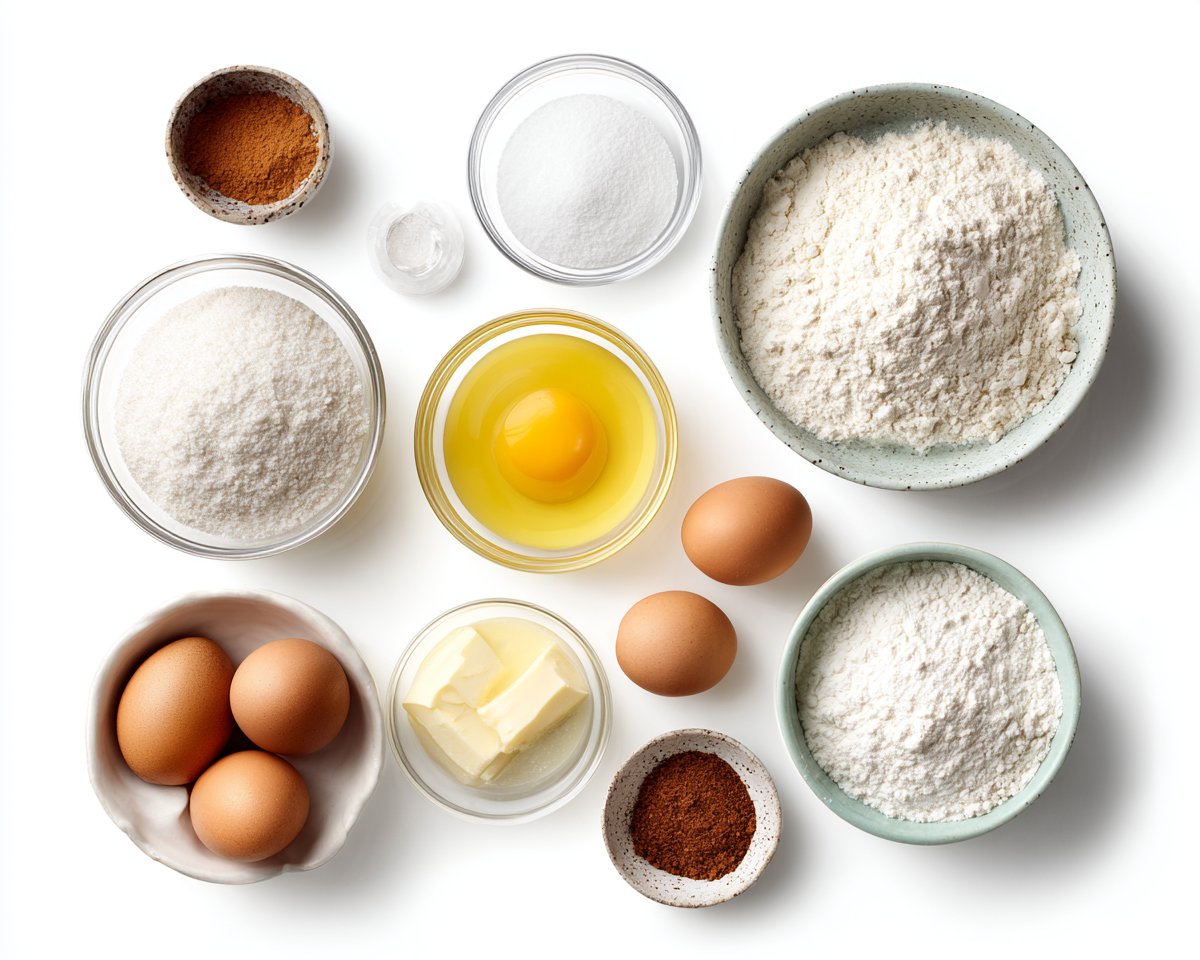
- 2 cups (250 g) all-purpose flour, spooned and leveled (or use 2 cups self-rising flour and omit baking powder/salt — see notes)
- 1 tablespoon baking powder
- 1 teaspoon fine salt
- 2 tablespoons granulated sugar (optional, for slight sweetness)
- 6 tablespoons (85 g) unsalted butter, very cold, cut into small cubes
- 3/4 cup (180 ml) milk or buttermilk (buttermilk yields tangier, taller biscuits)
- 1–2 tablespoons melted butter for brushing
Notes and substitutions:
- For dairy-free, use chilled coconut oil or a vegan butter substitute and a non-dairy milk (add 1 tsp lemon juice to mimic buttermilk acidity).
- For extra flaky layers, use half butter, half lard or shortening.
Directions to follow
- Preheat oven to 425°F (220°C). Place a baking sheet or 9-inch cast iron skillet in the oven to heat.
- In a large bowl, whisk together flour, baking powder, salt, and sugar.
- Add cold butter cubes. Use a pastry cutter, two forks, or your fingertips to cut the butter into the flour until the mixture resembles coarse crumbs with some pea-sized bits of butter remaining.
- Pour in the milk or buttermilk and stir with a fork until the dough just comes together. It will look shaggy — that’s good. Avoid overmixing.
- Turn dough onto a lightly floured surface. Fold it over itself 3–4 times to create layers, then pat to about 1-inch thick.
- Use a 2.5-inch biscuit cutter (or a glass) pressed straight down without twisting to cut biscuits. Re-roll scraps quickly and cut again.
- Place biscuits close together on the preheated baking sheet or skillet (touching sides helps them rise taller), leaving a little space between the tops.
- Bake 12–15 minutes until tops are golden and bottoms are set. Rotate the pan halfway if your oven bakes unevenly.
- Remove and brush tops with melted butter. Cool a few minutes before serving.
Short action verbs, quick folds, and a hot baking surface are the keys — simple moves that make a big texture difference.
The cooking process explained
(Alternate heading choice already used earlier — kept to the required structure.)
Best ways to enjoy it
Serve these biscuits warm with:
- Slathered in salted butter and jam for breakfast.
- Split and filled with fried egg and bacon for a hearty sandwich.
- Alongside a bowl of chili or stew to mop up gravy.
- Topped with honey and whipped ricotta for a sweet brunch spin.
For a dinner crowd, stack biscuits with sliced ham and a smear of mustard; the contrast of flaky biscuit and savory meat is irresistible. You can also turn leftovers into a breakfast strata by cubing them and layering with eggs and cheese.
How to store & freeze
Short-term: Store fully cooled biscuits in an airtight container at room temperature for up to 2 days.
Refrigeration: Keeps up to 4–5 days but can dry them—reheat gently to restore moisture.
Freezing: Wrap individual cooled biscuits in plastic wrap and place in a freezer bag for up to 3 months. Reheat from frozen in a 350°F (175°C) oven for 10–12 minutes (tent with foil to prevent over-browning) or microwave 20–30 seconds placing a damp paper towel over them to reduce dryness.
Safety note: If your biscuits contain dairy-based fillings or meats, refrigerate within 2 hours and consume within 3–4 days.
Pro chef tips
- Keep everything cold: the colder the butter, the flakier the biscuit. Chill the bowl or butter if your kitchen is warm.
- Don’t twist the cutter: when you twist, you seal the layers and the biscuit won’t rise as high.
- Use a hot baking surface: a preheated sheet or skillet gives a better rise and a crisp bottom.
- Fold for layers: folding the dough creates distinct layers — think of it as a mini lamination.
- Measure flour correctly: spoon flour into the cup and level it. Too much flour equals dense biscuits.
One quick shortcut: if you’re in a hurry, grate frozen butter directly into the flour — the small bits distribute evenly and stay cold.
Creative twists
- Cheddar chives: add 1 cup shredded sharp cheddar and 2 tablespoons chopped chives to the dry mix.
- Garlic herb: brush tops with garlic-infused butter and sprinkle with parsley.
- Sweet lemon sugar: fold in 1 tablespoon sugar and top with lemon glaze after baking.
- Gluten-free: swap a 1:1 gluten-free flour blend and add 1/2 teaspoon xanthan gum if the blend lacks it.
- Drop-biscuit method: skip the rolling and shaping — scoop 1/4-cup mounds onto the baking sheet for rustic, quick biscuits.
Pairing idea: a savory cheese biscuit works beautifully with roasted balsamic chicken — a combo that shines for an easy dinner (see this roasted chicken inspiration: balsamic baked chicken breast).

Helpful answers
Q: Can I use baking soda instead of baking powder?
A: No—baking soda needs an acid (like buttermilk) to activate. This recipe relies on baking powder, which contains its own acid. Substitute only if you adjust liquids and add an acid, or use self-rising flour instead.
Q: Why are my biscuits dense?
A: Common causes: overworking the dough, too much flour, warm butter, or using a twisted cutter. Keep ingredients cold, mix minimally, and press straight down with the cutter.
Q: Can I make the dough ahead?
A: Yes. After cutting, place the tray of unbaked biscuits covered in the fridge for up to 24 hours; add a couple of minutes to baking time. For longer storage, freeze unbaked biscuits on a tray, transfer to a bag, and bake from frozen adding a few extra minutes.
Q: What if I don’t have buttermilk?
A: Mix 1 tablespoon lemon juice or vinegar into 3/4 cup milk and let sit 5 minutes. It’s a quick buttermilk substitute that helps with rise and tenderness.
Q: How do I get taller layers?
A: Keep butter very cold, fold the dough to create layers, and place biscuits close together on the pan so they rise upward rather than outward.
Conclusion
If you want more step-by-step photos and another solid short-cut version, this Easy Homemade Biscuits – Sugar Spun Run tutorial is a great visual companion. For a slightly different technique and extra tips on rolling vs. pressing, check Easy Baking Powder Biscuits – My Organized Chaos for helpful variations and notes.
Classic Easy Baking Powder Biscuits

Ingredients
Dry Ingredients
- 2 cups all-purpose flour, spooned and leveled Or use 2 cups self-rising flour and omit baking powder/salt.
- 1 tablespoon baking powder
- 1 teaspoon fine salt
- 2 tablespoons granulated sugar Optional, for slight sweetness.
Wet Ingredients
- 6 tablespoons unsalted butter, very cold, cut into small cubes
- 3/4 cup milk or buttermilk Buttermilk yields tangier, taller biscuits.
- 1–2 tablespoons melted butter For brushing on top before serving.
Instructions
Preparation
- Preheat oven to 425°F (220°C). Place a baking sheet or 9-inch cast iron skillet in the oven to heat.
- In a large bowl, whisk together flour, baking powder, salt, and sugar.
- Add cold butter cubes. Use a pastry cutter, two forks, or your fingertips to cut the butter into the flour until the mixture resembles coarse crumbs with some pea-sized bits of butter remaining.
- Pour in the milk or buttermilk and stir with a fork until the dough just comes together. Avoid overmixing.
- Turn dough onto a lightly floured surface. Fold it over itself 3–4 times to create layers, then pat to about 1-inch thick.
- Use a 2.5-inch biscuit cutter pressed straight down to cut biscuits. Re-roll scraps quickly and cut again.
Baking
- Place biscuits close together on the preheated baking sheet or skillet, leaving a little space between the tops.
- Bake for 12–15 minutes until tops are golden and bottoms are set. Rotate the pan halfway if your oven bakes unevenly.
- Remove and brush tops with melted butter. Cool a few minutes before serving.