Chow Mein

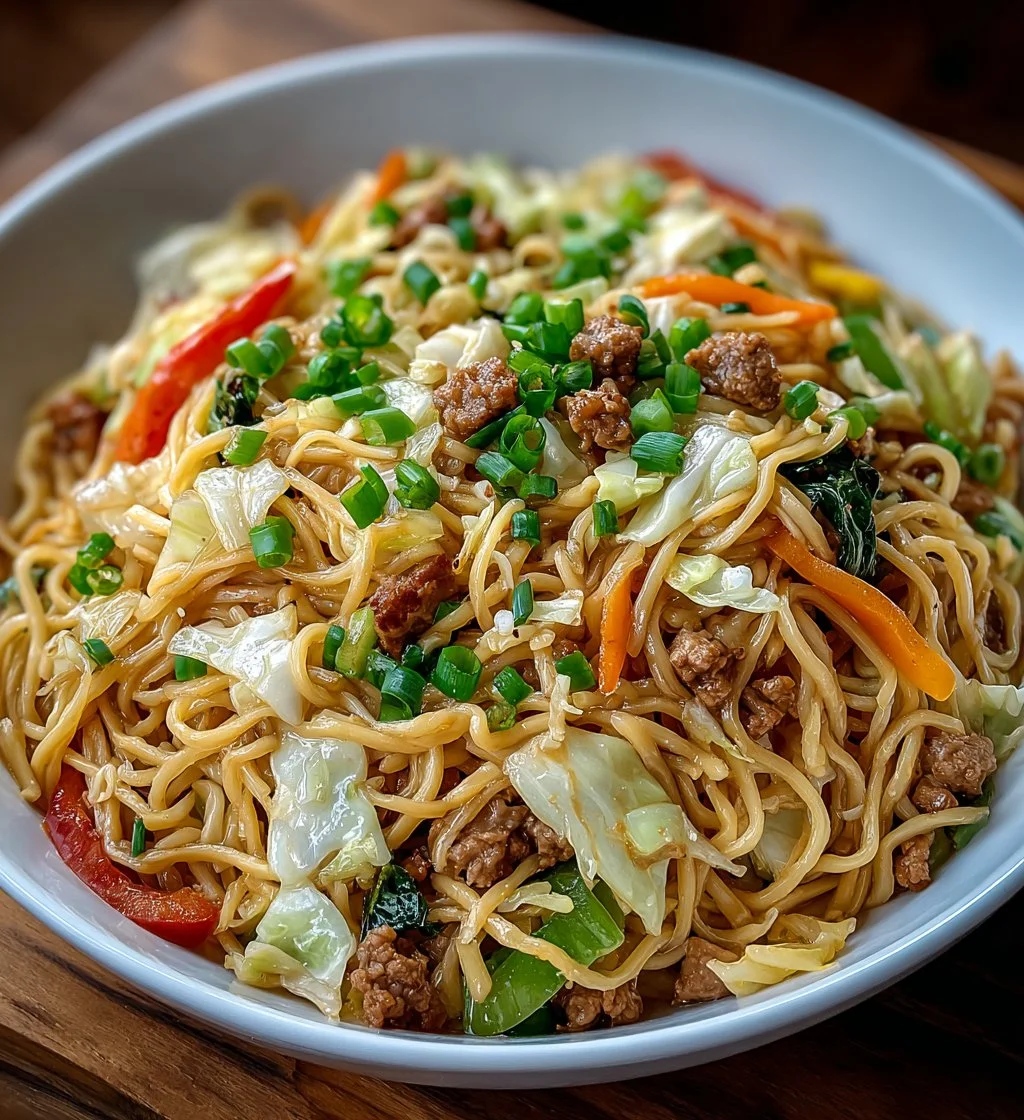
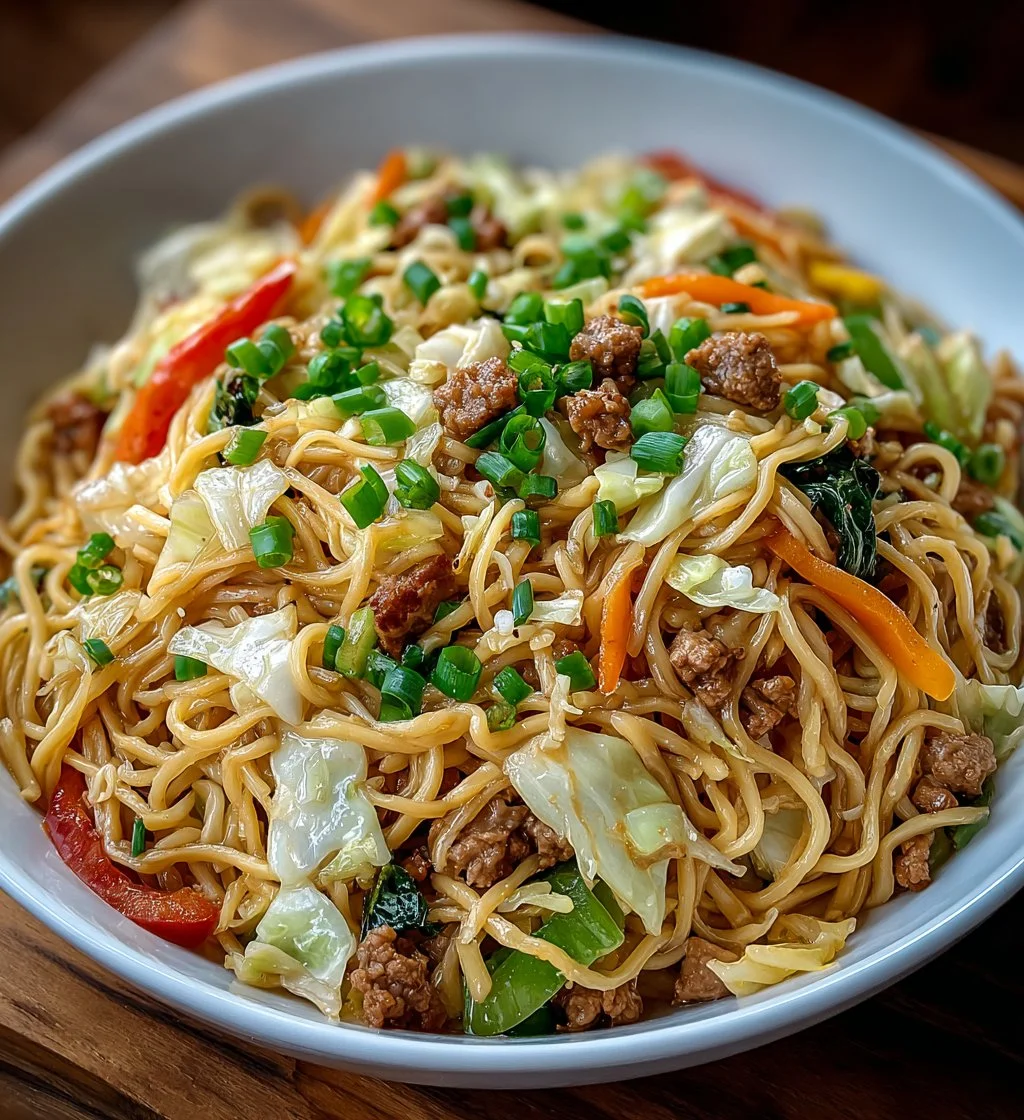
I still remember the first time I tossed simple noodles and crunchy cabbage in a hot wok and ended up with a takeout-worthy bowl in under 15 minutes. This chow mein is lightning-fast, pantry-friendly, and flexible — perfect when you want something savory and satisfying without fuss. It’s the kind of weeknight recipe that stretches ingredients, pleases picky eaters, and rewards you with crunchy vegetables and a silky soy glaze on every strand of noodle.
Why you’ll love this dish
This chow mein is fast, forgiving, and built from ingredients you probably already have. It requires one pan, minimal prep, and you can easily scale or swap ingredients to suit what’s in your fridge. It’s a great go-to for a busy weeknight, a lunch that reheats well, or a meatless main when you want lots of texture and umami without complicated steps.
“Simple, fast, and better than takeout — the noodles stay glossy, and the veggies keep a nice bite.” — a regular weeknight reviewer
If you like quick noodle dinners, you might also enjoy a heartier spin on Asian comfort food like this chicken chow mein variation.
Step-by-step overview
Before you dive in, here’s the quick plan so you know what to expect:
- Boil the chow mein noodles and drain them.
- Stir-fry shredded cabbage and sliced vegetables in a hot skillet until just tender.
- Add garlic for fragrance, then toss in the noodles.
- Finish with soy sauce (and optional oyster sauce) and heat through until everything is glossy and combined.
This is mostly high-heat, fast tossing — no long simmering, which keeps the vegetables bright and the noodles springy. If you prefer a saucier dish, have an extra tablespoon of soy or a splash of stock ready.
What you’ll need
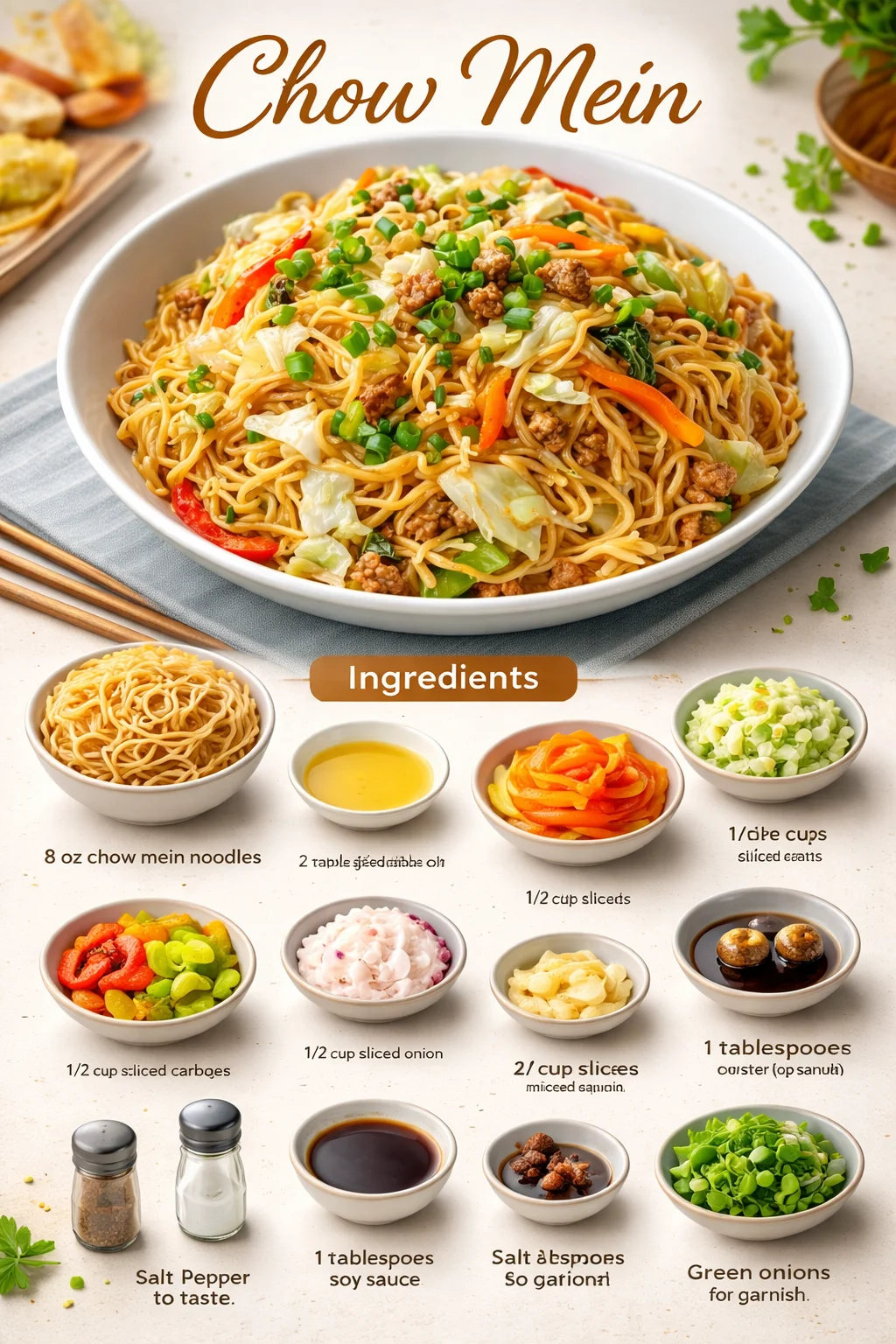
- 8 oz chow mein noodles (or thin egg noodles — see note below)
- 2 tablespoons vegetable oil (neutral oil for high heat)
- 1 cup cabbage, shredded (green or Napa)
- 1/2 cup carrots, sliced (matchstick or thin rounds)
- 1/2 cup bell pepper, sliced (any color)
- 1/2 cup onion, sliced (yellow or sweet)
- 3 cloves garlic, minced
- 3 tablespoons soy sauce (adjust to taste)
- 1 tablespoon oyster sauce (optional, adds depth)
- Salt and pepper to taste
- Green onions, sliced, for garnish
Notes and substitutions:
- Swap chow mein noodles for fresh egg noodles or even spaghetti in a pinch. If using dried spaghetti, cook to al dente.
- Use toasted sesame oil (a teaspoon at the end) for a nutty finish.
- For a gluten-free version, use tamari and rice noodles.
Step-by-step instructions
- Bring a pot of salted water to a boil. Cook the chow mein noodles according to the package directions. Drain and set aside.
- Heat a large skillet or wok over medium-high heat. Add the vegetable oil and swirl to coat.
- Add cabbage, carrots, bell pepper, and onion. Stir-fry for 2–3 minutes, tossing constantly, until the vegetables are tender-crisp.
- Stir in the minced garlic and cook for about 30–60 seconds until fragrant.
- Add the cooked noodles to the skillet. Use tongs to gently separate and lift the strands into the vegetables.
- Pour the soy sauce and oyster sauce (if using) over the noodles and vegetables. Toss quickly to coat everything evenly.
- Taste and season with salt and pepper as needed. Remember soy sauce adds salt, so start conservatively.
- Stir-fry for another 2–3 minutes so the noodles absorb the sauce and heat through.
- Serve hot, topped with sliced green onions.
Short, decisive actions and a hot pan are the keys — they keep the vegetables crisp and prevent soggy noodles.
Best ways to enjoy it
Serve this chow mein straight from the wok for the best texture. Pairing ideas:
- Add a protein on the side or stir it in: grilled chicken, tofu, or shrimp.
- Serve with simple sides like cucumber salad or quick pickled carrots for brightness.
- For a themed meal, plate it alongside a creamy soup; it complements lighter broths such as a mild New England clam chowder for contrast.
Garnish with extra green onions, a squeeze of lime, or a sprinkle of toasted sesame seeds.
Storage and reheating tips
- Refrigerate: Store leftovers in an airtight container for up to 3–4 days.
- Reheat: Warm in a skillet over medium heat with a splash of water or broth to revive moisture; microwaving works too, but add a tablespoon of water and cover to retain steam.
- Freeze: I don’t recommend freezing this noodle dish — noodles often become mushy when thawed. If you must, freeze in a shallow container and expect a change in texture.
For storage techniques that work well with brothy dishes and seafood, similar reheating care is recommended as with other pantry-friendly bowls like this seafood chowder guide.
Pro chef tips
- Use a very hot pan and keep everything moving to avoid steaming the vegetables.
- Don’t overcook the noodles in the pot; undercooking slightly keeps them firm after stir-frying.
- Make space in the pan by pushing veggies to the side before adding noodles; this avoids crowding and helps quick, even heating.
- If your sauce seems thin, mix 1 teaspoon cornstarch with 1 tablespoon water and add it toward the end while tossing to thicken slightly.
- Taste as you go — soy sauce varies widely in saltiness between brands.
Creative twists
- Protein boost: Stir in pre-cooked shredded chicken, thinly sliced steak, or pan-seared tofu at step 5.
- Spice it up: Add a tablespoon of chili garlic sauce or a drizzle of sriracha.
- Veg-forward: Swap cabbage for bok choy or add snow peas and bean sprouts for crunch.
- Gluten-free: Use tamari and rice noodles, but reduce the stir time to avoid breaking delicate rice noodles.
- Noodle swap: Try soba or udon for a different chew and regional character.
FAQ
Helpful answers
Q: How long does this chow mein take from start to finish?
A: Plan on 15–20 minutes total: 8–10 minutes to boil noodles and 6–8 minutes to stir-fry everything. It’s a true fast weeknight meal.
Q: Can I make the vegetables ahead of time?
A: You can slice and store the vegetables in the fridge a day ahead. I don’t recommend stir-frying them and storing — reheating will soften them too much.
Q: Is oyster sauce necessary?
A: No — oyster sauce adds a deeper, slightly sweet-salty umami. If you avoid shellfish or want a vegetarian version, skip it or use a mushroom-based stir-fry sauce.
Q: My noodles clump after boiling. How can I prevent that?
A: Rinse briefly with hot water and toss with a teaspoon of oil or separate them immediately with tongs. Don’t overcook in the boiling water.
Q: Can I double the recipe?
A: Yes, but use a very large skillet or wok and cook in batches if needed so you don’t overcrowd the pan.
Conclusion
If you want to compare technique or try alternative chow mein takes, this chow mein recipe from RecipeTin Eats highlights a classic chicken version with stepwise photos, while this Easy Chow Mein recipe at Tastes Better From Scratch shows another simple approach and useful variations. Both are good complements if you like experimenting with sauces and proteins.
Chow Mein
Ingredients
Noodles
- 8 oz chow mein noodles (or thin egg noodles) Substitute with fresh egg noodles or spaghetti in a pinch.
Vegetables
- 1 cup cabbage, shredded (green or Napa)
- 1/2 cup carrots, sliced (matchstick or thin rounds)
- 1/2 cup bell pepper, sliced (any color)
- 1/2 cup onion, sliced (yellow or sweet)
- 3 cloves garlic, minced
- 2 tablespoons green onions, sliced, for garnish
Sauces and Oils
- 2 tablespoons vegetable oil Neutral oil for high heat.
- 3 tablespoons soy sauce Adjust to taste.
- 1 tablespoon oyster sauce (optional) Adds depth.
Seasoning
- Salt and pepper to taste Remember soy sauce adds salt.
Instructions
Preparation
- Bring a pot of salted water to a boil. Cook the chow mein noodles according to the package directions. Drain and set aside.
- Heat a large skillet or wok over medium-high heat. Add the vegetable oil and swirl to coat.
Cooking
- Add cabbage, carrots, bell pepper, and onion. Stir-fry for 2–3 minutes, tossing constantly, until the vegetables are tender-crisp.
- Stir in the minced garlic and cook for about 30–60 seconds until fragrant.
- Add the cooked noodles to the skillet. Use tongs to gently separate and lift the strands into the vegetables.
- Pour the soy sauce and oyster sauce (if using) over the noodles and vegetables. Toss quickly to coat everything evenly.
- Taste and season with salt and pepper as needed.
- Stir-fry for another 2–3 minutes so the noodles absorb the sauce and heat through.
- Serve hot, topped with sliced green onions.