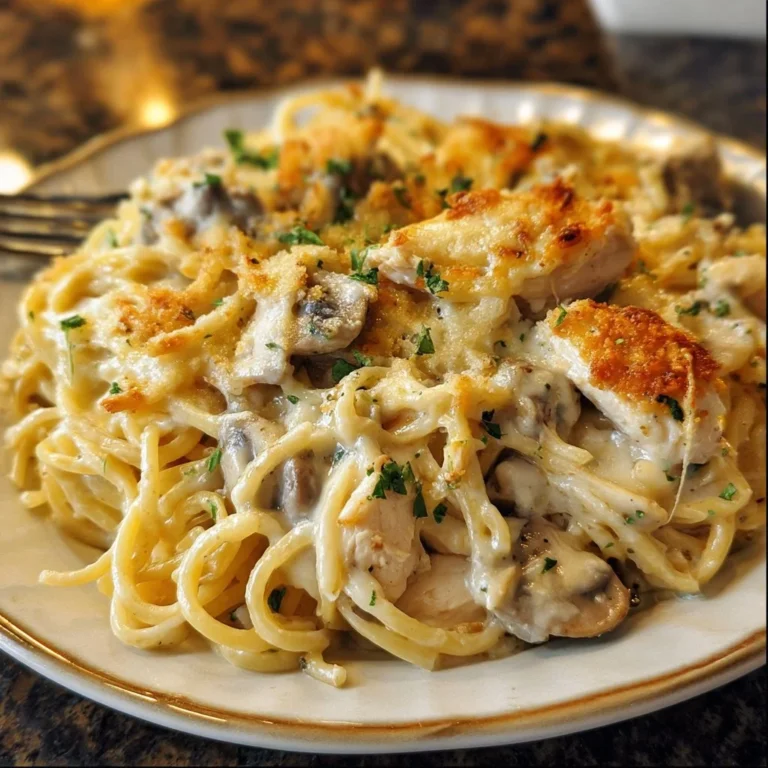
Creamy Bacon and Pea Carbonara: A Delicious Easy Recipe!

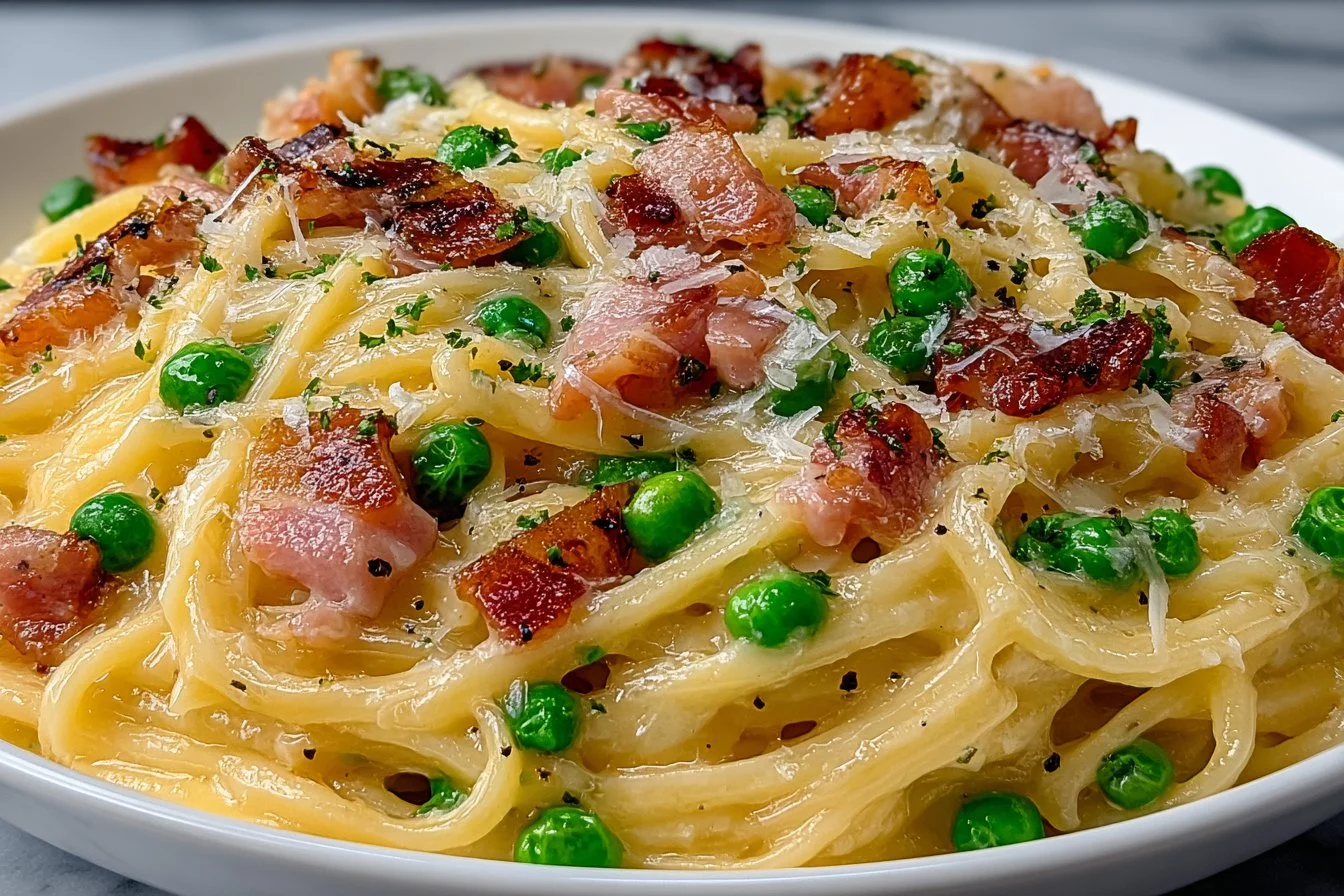
I first made this creamy bacon-and-pea carbonara on a rushed weeknight and it instantly became a go-to: comforting, quick, and impossibly silky from just eggs and cheese. This recipe swaps the traditional guanciale for easy-to-find bacon and adds peas for a bright pop of color — perfect when you want something rich without dragging out a long prep. If you like fast pasta that tastes indulgent but uses pantry basics, you’re in the right place. I also tested a few small tweaks that I’ll share so you can get the sauce perfectly glossy every time — similar in comfort to other easy dinners like my balsamic baked chicken breast recipe that’s great for weeknights.
Why you’ll love this dish
This carbonara is a winner because it balances three things home cooks care about: speed, flavor, and minimal ingredients. It takes roughly the same time as boiling pasta, uses common ingredients, and delivers that creamy, savory mouthfeel diners expect from a richer restaurant version. The peas add sweetness and color, making it kid-friendly and a little more nutritious.
“Five minutes of crisp bacon, a quick whisk of eggs and Parmesan, and you have the kind of comforting pasta that beats takeout.” — a recent dinner-table review
Besides being a fast weeknight meal, it’s ideal for:
- Busy family dinners where everyone needs something filling and familiar.
- Last-minute guests — the hands-on time is only about 10 minutes.
- A cozy solo meal with leftovers that still taste good the next day.
How this recipe comes together
Before you start, here’s a quick overview so you know what to expect:
- Boil pasta until al dente while you cook the bacon.
- Crisp the bacon, then add garlic and peas to warm through.
- Whisk eggs and Parmesan into a smooth mixture.
- Toss hot, drained pasta with the bacon and peas off the heat.
- Quickly stir in the egg mixture so residual heat makes a silky sauce without scrambling the eggs.
This flow keeps the eggs creamy, uses the pasta water’s heat to loosen the sauce if needed, and relies on timing more than fancy technique — great for cooks of all levels.
What you’ll need
- 200 g spaghetti
- 100 g bacon, diced (or pancetta/guanciale if available)
- 1 cup frozen peas (no need to thaw)
- 2 large eggs
- 1/2 cup grated Parmesan cheese (plus extra for serving)
- 2 cloves garlic, minced
- Salt and freshly ground black pepper, to taste
- 2 tablespoons olive oil (optional — bacon will render fat; use oil if you want a little extra sheen)
Notes and substitutions:
- For a slightly more authentic flavor, use pancetta or guanciale instead of bacon.
- Swap spaghetti for linguine or fettuccine if you prefer a wider noodle.
- Try Pecorino Romano mixed with Parmesan for sharper saltiness.
- For a lighter version, use one whole egg and one yolk to keep creaminess while reducing volume.
How to prepare it
- Bring a large pot of salted water to a boil and cook the spaghetti according to package directions until al dente. Reserve about 1/2 cup pasta water before draining.
- Meanwhile, heat a large skillet over medium heat and add the diced bacon. Cook until the pieces are crisp and the fat has rendered, about 6–8 minutes. Remove any excessive fat if desired, leaving a thin coating.
- Add the minced garlic to the skillet and sauté for 30 seconds until fragrant. Add the frozen peas and cook 2–3 minutes until warmed through.
- In a bowl, whisk together the eggs and grated Parmesan until smooth and slightly frothy. Season lightly with black pepper (cheese is salty, so hold off on heavy salt).
- Drain the spaghetti and immediately add it to the skillet with bacon and peas. Remove the skillet from the heat.
- Quickly pour the egg and cheese mixture over the hot pasta, stirring briskly to create a glossy, creamy sauce. If the sauce is too thick, add a tablespoon or two of reserved pasta water until you reach the desired consistency.
- Taste and season with salt and more pepper if needed. Serve right away with extra Parmesan.
How to serve Creamy Bacon and Pea Carbonara: A Delicious Easy Recipe!
- Sprinkle extra grated Parmesan and a grind of black pepper on each plate.
- Finish with a few torn basil leaves or a small pinch of lemon zest to lift the richness.
- Pair it with a crisp green salad dressed simply in lemon and olive oil, or garlic-roasted broccolini for contrast.
- For drinks, a light-bodied white like Pinot Grigio or an off-dry Riesling balances the saltiness. For a non-alcoholic option, sparkling water with a lemon wedge cleanses the palate.
Storage and reheating tips
- Refrigerator: Store leftovers in an airtight container for up to 2 days. The sauce will thicken and the pasta will absorb liquid.
- Reheating on stove: Reheat gently in a skillet over low heat with a splash of water or milk, stirring until warmed and loosened. Avoid high heat to prevent eggs from scrambling.
- Microwave: Use medium power and add a tablespoon of water; stir halfway through heating.
- Freezing: Not recommended. Emulsified egg-based sauces separate when frozen and thawed, producing grainy texture. If you must freeze, freeze pasta without sauce and reheat with fresh egg/cheese sauce prepared at serving time.
Food safety: keep the dish refrigerated within two hours of cooking and reheat to 165°F (74°C) when serving leftovers.
Pro chef tips
- Temper the eggs: If you’re nervous about scrambling, add a tablespoon of warm pasta water to the egg-cheese mix first to raise its temperature before combining with pasta.
- Take the pan off the heat: Always remove the skillet from the direct heat before adding the egg mixture — residual heat is enough to cook the eggs into a sauce without turning them into curds.
- Use freshly grated Parmesan: Pre-grated cheese contains anti-caking agents that affect melt and texture. Freshly grated yields a silkier sauce.
- Save pasta water: The starchy water is your emulsifier — use it sparingly to loosen the sauce and make it glossy.
- Crisp is king: Don’t skip rendering the bacon until crispy; the texture contrast makes the dish. For less salt, blot bacon on paper towel before tossing with pasta.
For another quick, creamy comfort dessert technique worth bookmarking, I sometimes pair weeknight meals with an easy sweet like this Cool Whip pudding frosting for simple finishes.
Creative twists
- Vegetarian-ish: Replace bacon with smoked tempeh or smoked mushrooms for a smoky bite. Add a pinch of smoked paprika to mimic bacon’s flavor.
- Lemon-pea carbonara: Stir in 1 teaspoon lemon zest and a squeeze of lemon juice for brightness.
- Protein boost: Add cooked chicken pieces or shrimp at the end for a heartier meal.
- Creamy luxe: If you really want a richer sauce, whisk in 2 tablespoons of cream, but it’s unnecessary if you temper eggs correctly.
- Gluten-free: Use your favorite gluten-free spaghetti and follow the same timing for al dente texture.
For more make-ahead and finishing ideas that simplify busy nights, see this quick frosting hack that’s also great for desserts: light and creamy pudding frosting.
Your questions answered
Q: How long does this take from start to finish?
A: About 20–25 minutes total: 10–12 minutes to boil pasta and 8–10 minutes to crisp bacon and finish the sauce.
Q: Can I use heavy cream instead of eggs?
A: You can, but that changes the dish from carbonara to a cream-based pasta. Traditional carbonara relies on eggs and cheese for its velvety texture; if you add cream, use less and finish off with cheese to retain flavor.
Q: Is it safe to use raw eggs in the sauce?
A: Yes, when prepared properly. The eggs are tempered and cooked by the residual heat of the hot pasta — not left raw. To minimize risk, use very fresh eggs or pasteurized eggs if you’re serving to children, pregnant people, or anyone immunocompromised.
Q: Can I make this ahead for a dinner party?
A: You can cook components ahead — crisp the bacon and cook peas, then reheat gently and toss with freshly boiled pasta and the egg-cheese mix at service. Don’t pre-mix eggs with hot pasta until the final moment.
Q: My sauce scrambled. What went wrong?
A: Usually you were over heat or added eggs to a pan still on the burner. Remove the pan from heat, add a bit of pasta water, and stir quickly. If scrambling occurs, you can rescue texture by stirring in a little extra hot pasta water and more grated cheese to help re-emulsify.
Conclusion
This creamy bacon and pea carbonara is a reliable, speedy dinner that gives you restaurant-style silkiness with pantry-friendly ingredients. For variations and inspiration similar to this dish, check out Quick Pasta alla Carbonara with Peas and Bacon – Coley Cooks which explores a related approach, and for another creamy bacon-and-pea take, see Creamy Pasta with Bacon and Peas – Mess in the Kitchen for additional tips and flavor ideas.
Creamy Bacon and Pea Carbonara
Ingredients
Pasta and Bacon
- 200 g spaghetti Can substitute with linguine or fettuccine.
- 100 g bacon, diced Can substitute with pancetta or guanciale.
Sauce Ingredients
- 2 large eggs For a lighter version, use one whole egg and one yolk.
- 1/2 cup grated Parmesan cheese Plus extra for serving.
- 2 cloves garlic, minced
- 1 cup frozen peas No need to thaw.
- Salt and freshly ground black pepper To taste.
- 2 tablespoons olive oil Optional; use if more fat is desired.
Instructions
Preparation
- Bring a large pot of salted water to a boil and cook the spaghetti according to package directions until al dente. Reserve about 1/2 cup pasta water before draining.
- Meanwhile, heat a large skillet over medium heat and add the diced bacon. Cook until crisp, about 6–8 minutes, removing excessive fat if desired.
- Add minced garlic to the skillet and sauté for 30 seconds until fragrant. Add frozen peas and cook for 2–3 minutes until warmed through.
- In a bowl, whisk together the eggs and grated Parmesan until smooth and slightly frothy. Season lightly with black pepper.
- Drain the spaghetti and immediately add it to the skillet with the bacon and peas. Remove the skillet from the heat.
- Quickly pour the egg and cheese mixture over the hot pasta, stirring to create a glossy, creamy sauce. Adjust thickness as necessary with reserved pasta water.
Serving
- Taste and season with additional salt and pepper if needed. Serve immediately with extra Parmesan, a grind of black pepper, and optional garnishes like basil or lemon zest.