Dark Chocolate Orange Shortbread Cookies

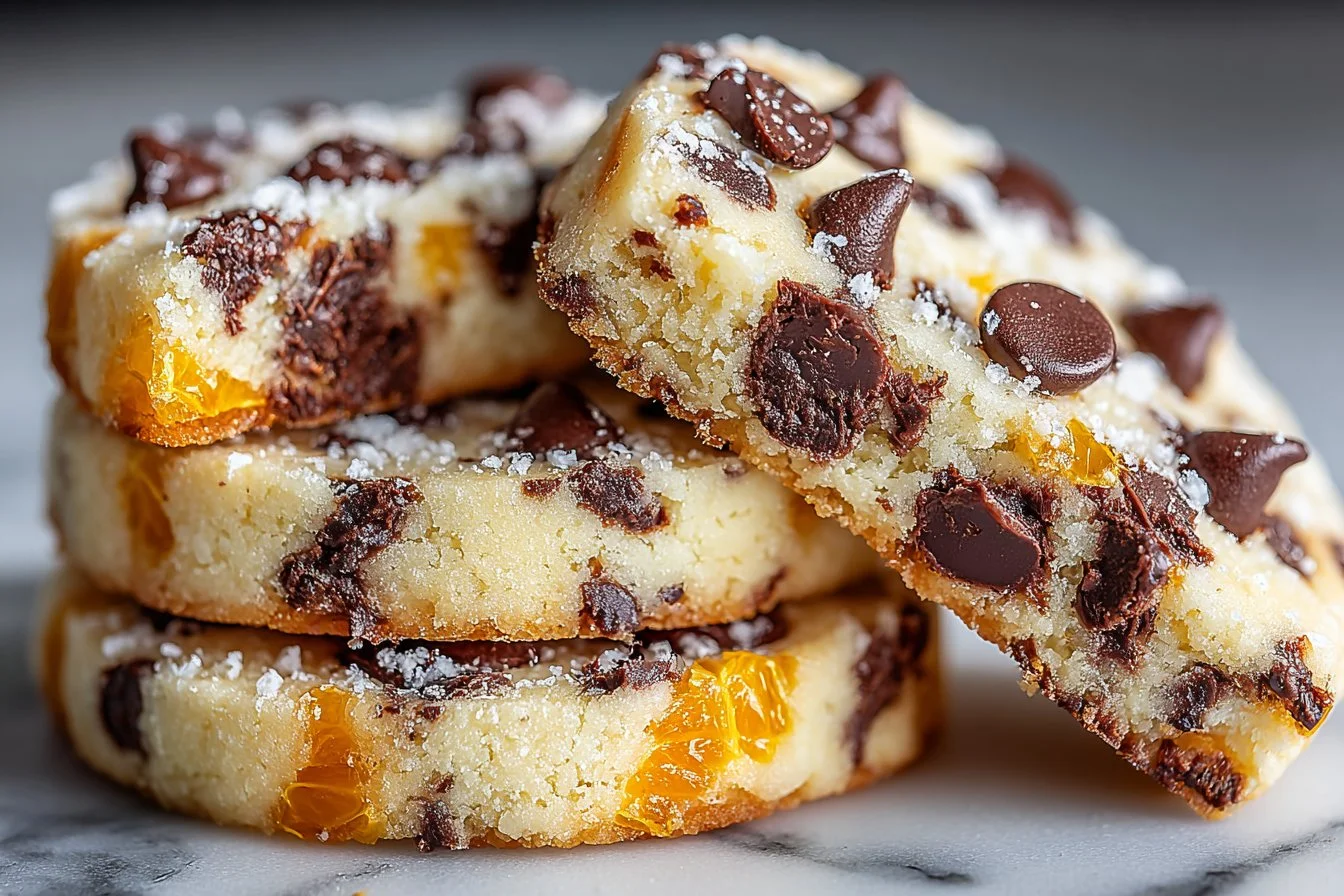
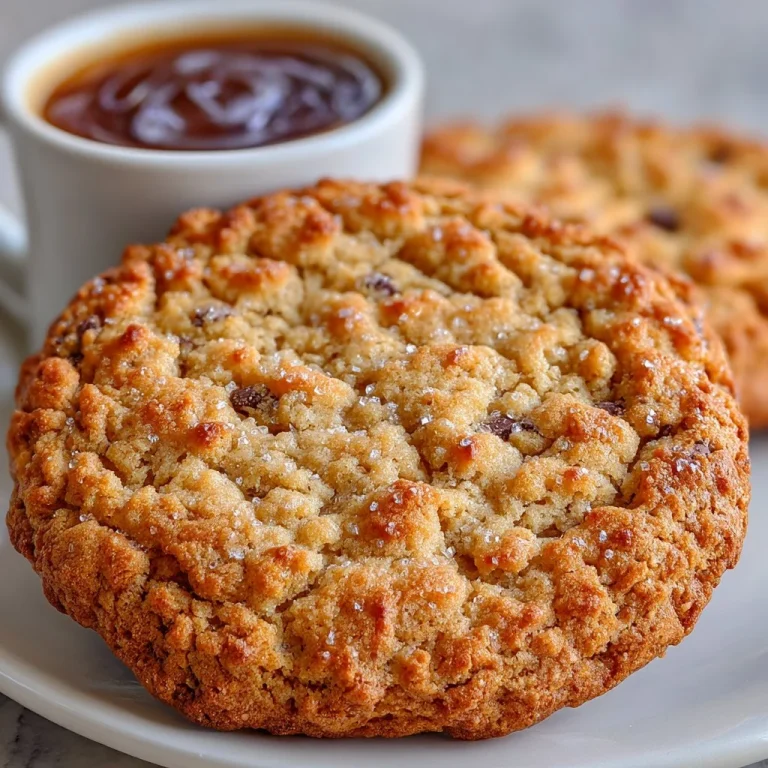
I’ve made these dark chocolate orange shortbread cookies for holiday exchanges and quiet weeknight coffee breaks — the buttery crumb of classic shortbread with a bright, citrus kiss and pockets of rich dark chocolate. They’re simple enough for a weekday bake but special enough to bring to a cookie swap.
If you enjoy buttery, flavor-packed cookies like those in my other recipes, check out this similar buttery cookie with a seasonal twist: bakery-style gingerbread white chocolate cookies.
Why you’ll love this dish
These cookies take the comfort of shortbread and lift it with two bold flavors: orange zest for freshness and dark chocolate for depth. They’re:
- Fast to mix — no chilling required if you’re in a hurry.
- Kid-friendly — sweet, tender, and easy to portion.
- Great for gifting — they hold shape and transport well.
- Versatile — feel free to swap chocolate types or citrus varieties.
“Tender, melt-in-your-mouth shortbread with a surprisingly grown-up orange-chocolate finish — everyone asked for the recipe.”
They’re perfect for afternoon tea, holiday cookie tins, or a last-minute dessert when guests drop by.
The cooking process explained
Before you start: this is a straightforward creaming-method cookie. You cream butter with powdered sugar, fold in vanilla and orange zest for aromatic lift, then bring the flour and salt in gently so the cookie stays tender. Chocolate chips are folded in last to keep pockets of melted chocolate. You’ll roll small balls, flatten slightly, and bake until the edges just turn golden — 12–15 minutes typically.
Expect about 24 small cookies depending on how large you roll the dough. The texture will be crumbly but cohesive; if the dough seems too soft to shape, chill it 10–15 minutes.
What you’ll need
- 1 cup unsalted butter, softened (use room temperature for easiest creaming)
- 1/2 cup powdered sugar
- 1 teaspoon vanilla extract
- 2 cups all-purpose flour
- 1/4 teaspoon salt
- 1 cup dark chocolate chips
- Zest of 1 orange
Notes and swaps: Use granulated sugar only if you don’t mind a slightly grittier texture; powdered sugar keeps the cookie delicate. For a dairy-free version, substitute vegan butter and ensure chocolate chips are dairy-free. For a different citrus note, try lemon or blood orange zest.
Directions to follow
- Preheat the oven to 350°F (175°C). Line a baking sheet with parchment paper.
- In a mixing bowl, cream the softened butter and powdered sugar together until light and fluffy — about 2–3 minutes with a hand mixer.
- Stir in the vanilla extract and the orange zest until evenly distributed.
- Gradually add the flour and salt. Mix just until a dough forms; don’t overwork it.
- Fold in the dark chocolate chips by hand so they stay intact.
- Roll the dough into small balls (about 1 tablespoon each) and arrange them on the prepared baking sheet, leaving space to expand.
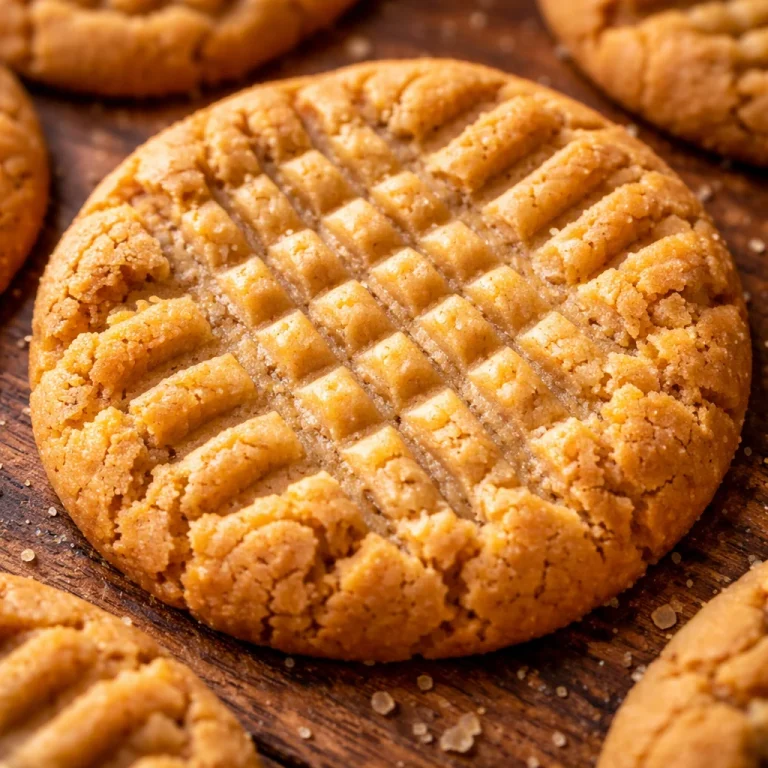
- Flatten each ball slightly with the back of a fork or your palm.
- Bake for 12–15 minutes, or until the edges are lightly golden and the centers look set.
- Let the cookies cool on the baking sheet for a few minutes, then transfer to a wire rack to cool completely.
Short, clear steps keep the process friendly for beginners and efficient for experienced bakers.
Best ways to enjoy it
- Pair with a cup of espresso, black tea, or a citrusy herbal tea to echo the orange notes.
- Stack on a dessert platter with assorted cookies for a holiday spread.
- For a more decadent treat, sandwich two cooled cookies with a thin layer of orange-infused buttercream or Nutella.
- Serve with whipped cream and segmented oranges for an elegant, simple dessert plate.
How to store & freeze
Room temperature: Store cooled cookies in an airtight container for up to 5 days. Layer parchment between cookies to prevent sticking.
Refrigerator: Not necessary unless your kitchen is very warm — the fridge can dry shortbread.
Freezer: Freeze baked cookies in a single layer on a sheet for 1 hour, then transfer to a freezer-safe bag or container for up to 3 months. Thaw at room temperature for 20–30 minutes.
Dough freeze: Shape dough into a log or pre-portion balls, wrap tightly, and freeze up to 3 months. Bake from frozen, adding a couple minutes to the bake time. Always follow safe food handling: cool completely before storing and discard if mold or off smells appear.
Helpful cooking tips
- Use room-temperature butter for proper creaming; it traps air and gives a light crumb.
- Zest the orange before juicing; cold zest is easier to grate and less likely to include bitter pith.
- Don’t overmix once flour is added — overworking creates gluten and a tougher cookie.
- For uniform cookies, use a small cookie scoop.
- If chips sink during baking, chill balls 10 minutes before baking to help them stay distributed.
For another recipe that uses a buttery cookie base in a different format, see this take on butterscotch chocolate chip cookies.
Creative twists
- Citrus swaps: Replace orange zest with lime or grapefruit for a different bright profile.
- Chocolate variations: Use semi-sweet or milk chocolate chips for a sweeter bite, or chopped dark chocolate for bigger pockets.
- Add texture: Mix in 1/2 cup chopped toasted almonds or candied orange peel.
- Spiced shortbread: Add 1/2 teaspoon ground cardamom or 1/4 teaspoon cinnamon for warmth.
- Gluten-free: Substitute a 1:1 gluten-free flour blend — the texture will be slightly friabler.
Try a crisp, airy contrast with these meringue-inspired treats for a mixed cookie box: chocolate-dipped meringue cookies.
Helpful answers
Q: How long does prep and bake take?
A: Active prep is about 15–20 minutes. Bake time is 12–15 minutes. Total time including cooling: roughly 45 minutes.
Q: Can I make the dough ahead of time?
A: Yes — shaped dough balls or a dough log can be refrigerated for 24 hours or frozen for up to 3 months. Thaw in the fridge overnight before baking if frozen.
Q: Why use powdered sugar instead of granulated?
A: Powdered sugar yields a finer, melt-in-your-mouth crumb in shortbread. Granulated sugar will create a crisper, more granular texture.
Q: My cookies spread too much. What happened?
A: Likely butter was too soft or dough was over-creamed. Chill the dough 10–15 minutes before baking and ensure proper measuring of flour.
Q: Can I add orange extract instead of zest?
A: You can, but zest gives fresh essential oils and a brighter, natural citrus aroma. If using extract, use sparingly (1/4–1/2 teaspoon) to avoid an artificial taste.
Conclusion
These dark chocolate orange shortbread cookies are a quick way to elevate a basic shortbread into something memorable — simple ingredients, short hands-on time, and big flavor. For another take on chocolate-and-citrus shortbread inspiration, see the tested version at Chocolate Orange Shortbread Cookies Recipe | Girl Versus Dough, and for a plated recipe with helpful photos, check Dark Chocolate Orange Shortbread Cookies – Our Balanced Bowl.
Dark Chocolate Orange Shortbread Cookies
Ingredients
For the cookies
- 1 cup unsalted butter, softened Use room temperature for easiest creaming
- 1/2 cup powdered sugar Provides a delicate texture
- 1 teaspoon vanilla extract For flavor
- 2 cups all-purpose flour Don’t overmix to keep cookies tender
- 1/4 teaspoon salt
- 1 cup dark chocolate chips For rich chocolate flavor
- 1 zest orange For freshness and aroma
Instructions
Preparation
- Preheat the oven to 350°F (175°C). Line a baking sheet with parchment paper.
- In a mixing bowl, cream the softened butter and powdered sugar together until light and fluffy — about 2–3 minutes with a hand mixer.
- Stir in the vanilla extract and the orange zest until evenly distributed.
- Gradually add the flour and salt. Mix just until a dough forms; don’t overwork it.
- Fold in the dark chocolate chips by hand so they stay intact.
Baking
- Roll the dough into small balls (about 1 tablespoon each) and arrange them on the prepared baking sheet, leaving space to expand.
- Flatten each ball slightly with the back of a fork or your palm.
- Bake for 12–15 minutes, or until the edges are lightly golden and the centers look set.
- Let the cookies cool on the baking sheet for a few minutes, then transfer to a wire rack to cool completely.