Homemade Lasagna Noodles

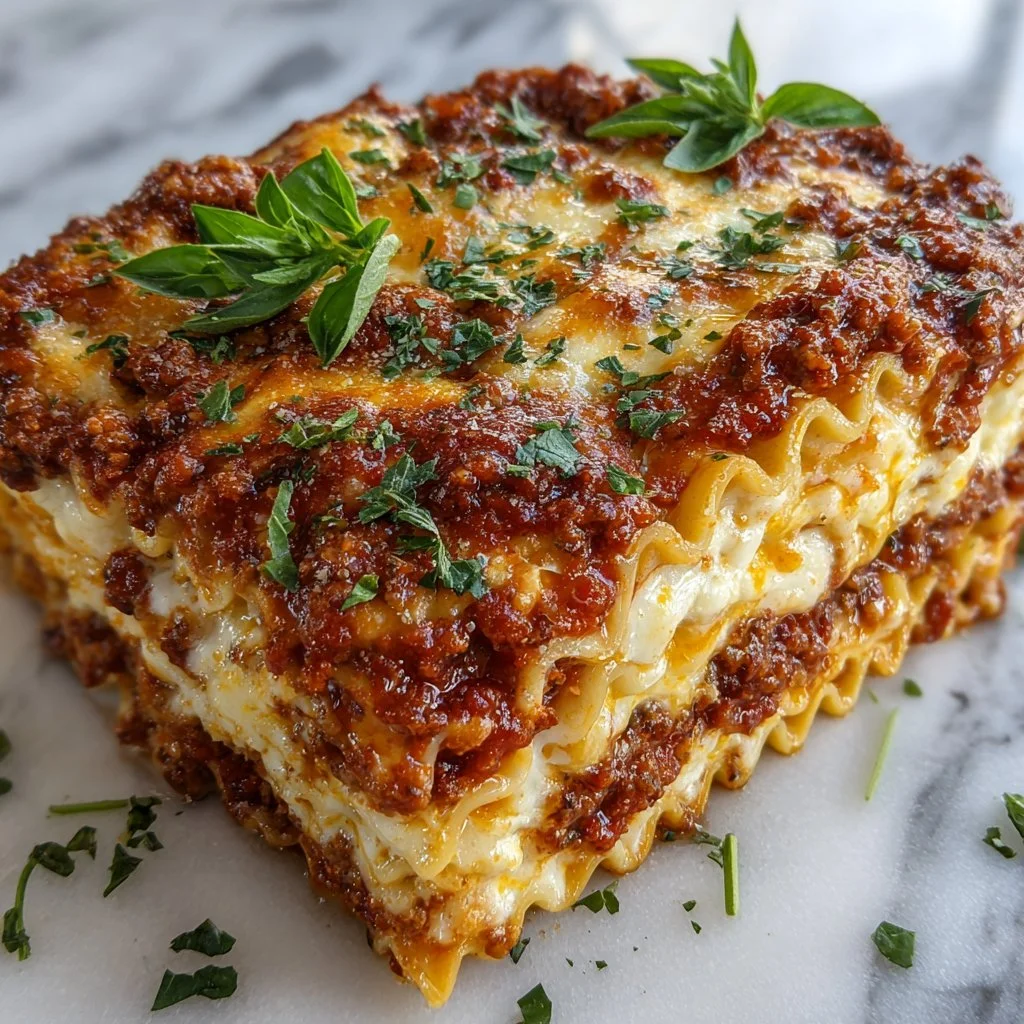
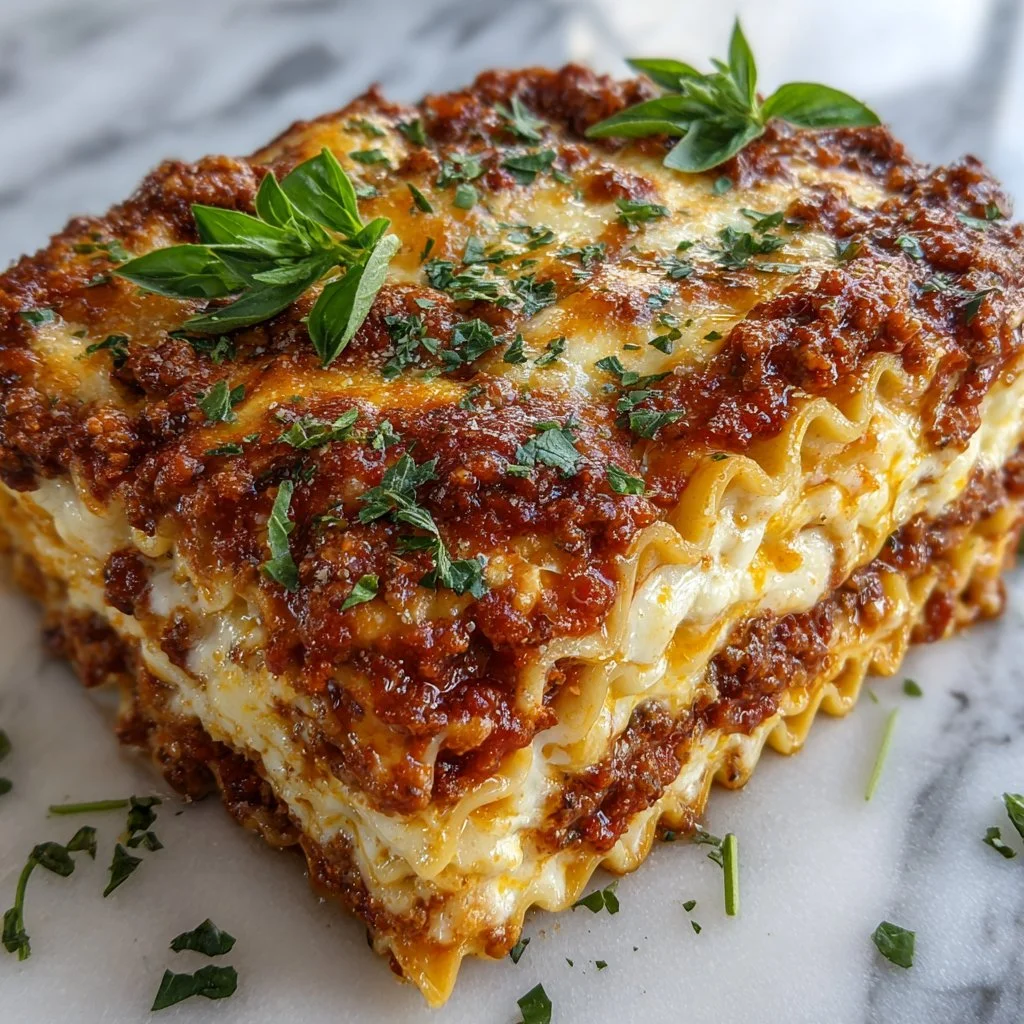
I learned to make homemade lasagna noodles the hard way—by buying sheets that tore and then trying to patch them like a pasta surgeon. Fresh, hand-rolled lasagna changes the whole dish: tender texture, a rustic chew, and a sauce-to-noodle ratio that feels made-to-order. This recipe breaks the process into a simple dough (flour, eggs, salt), a short rest, and a couple of rolling passes so you end up with silky sheets that hold up in the oven. If you want a full lasagna build, I recommend pairing these with a robust ragu and plenty of béchamel—see my notes on finishing below and a related lasagna guide for inspiration: best homemade lasagna.
What makes this recipe special
Making lasagna noodles at home gives you control over thickness, texture, and flavor. These sheets are richer and more tender than dried pasta because of the fresh eggs. They’re perfect for:
- Holiday lasagnas when you want the best possible layers.
- Weeknight upgrades if you make dough in the morning and roll in the evening.
- Gluten-tolerant swaps (see variations) or rustic, hand-cut farmhouse styles.
“The first time I used homemade sheets my family swore it tasted like an Italian restaurant at home—silky, and not a single cracked corner.” — a weekday lasagna convert
How this recipe comes together
This is a short, low-fuss process:
- Mix flour, eggs, and salt into a shaggy dough.
- Knead for 8–10 minutes until smooth and elastic.
- Rest the dough to relax the gluten.
- Roll thin with a pasta machine or pin, then cut to lasagna sheet size.
- Dry briefly for storage, or use immediately between sauce layers.
Expect about 30–45 minutes of active work (kneading + rolling) and 30 minutes resting time. No special equipment is required, but a pasta machine speeds the rolling.
Gather these items
- 2 cups all-purpose flour (or 1½ cups 00 flour + ½ cup semolina for a slightly toothier bite)
- 3 large eggs, room temperature
- 1/2 teaspoon fine salt
- Water, a teaspoon at a time, only if dough is too dry
Small notes:
- If your eggs are very large you might not need any water. Add water only if the dough doesn’t come together.
- For a more rustic flavor, swap 1/4 cup of the flour for whole-wheat flour.
Directions to follow
- Pour the flour onto a clean work surface and form a mound. Make a deep well in the middle.
- Crack the eggs into the well and sprinkle the salt on top.
- Using a fork, gently whisk the eggs while drawing flour in from the inner edges of the well. Work slowly until a shaggy dough forms.
- Bring the dough together with your hands and knead for 8–10 minutes until it’s smooth and slightly tacky. The dough should spring back when pressed.
- Wrap the dough tightly in plastic wrap and rest at room temperature for 30 minutes. This relaxes the gluten and makes rolling easier.
- Cut the dough into 2–4 pieces. Flatten one piece with your palm and run it through a pasta machine on the thickest setting. Fold and pass it 2–3 times to even it out. Gradually decrease the setting until the sheet is the thickness you want (typically 6–7 on home machines for lasagna, or about 1–1.5 mm). If using a rolling pin, roll thinly and evenly.
- Trim the sheets to the shape and size you need for your lasagna pan. Dust lightly with semolina or flour to prevent sticking.
- To store: lay sheets on a floured baking sheet and air dry several hours before stacking for freezing; or freeze single layers between parchment. If using in the same day, a brief 10–20 minute drying helps handling.
For quick sides while your lasagna bakes, consider a speedy loaf such as my 20-minute homemade bread.
How to plate and pair
- Layer suggestion: sauce, noodle, cheese, béchamel, repeat. Fresh noodles allow thinner layers—aim for 3–4 layers total.
- Pair with a bright green salad (arugula, lemon vinaigrette) to cut richness.
- Wine pairing: medium-bodied red like Sangiovese or Chianti if your lasagna is meaty; for vegetarian béchamel versions try an oak-aged Chardonnay.
- For individual servings, bake in small gratin dishes and broil briefly to brown the top.
How to store & freeze
- Short term: keep fresh cut sheets wrapped tightly in plastic in the refrigerator for up to 2 days.
- Long term: freeze single sheets or stacked sheets separated with parchment for up to 3 months. Thaw in the refrigerator before using.
- Reheating: if baked in a lasagna, reheat covered at 350°F (175°C) until hot (about 20–30 minutes depending on size). To avoid drying, add a splash of sauce or water under the foil.
- Food safety: always chill at or below 40°F (4°C) and use frozen pasta within recommended times. Discard any pasta with off odors or slimy texture.
Pro chef tips
- Knead until the dough is smooth and elastic; under-kneading makes tearing sheets.
- Keep flour or semolina on the surface and between sheets to prevent sticking, but avoid over-flouring which dries the pasta.
- If using a dough hook and mixer, pulse on low until just combined, then knead 4–5 minutes in the mixer. Finish by hand for feel.
- To avoid bubbling in lasagna, brush a thin layer of béchamel or sauce on the pasta before adding the next layer. It seals the noodle and keeps steam from separating layers.
- A pasta machine setting guide helps: start thick and move down one setting at a time until even opacity; two thin passes produce a more uniform sheet.
- For a quick cook-and-serve pairing, try a crusty loaf like this 20-minute homemade bread alongside your lasagna.
Recipe variations
- No-egg (vegan): replace eggs with 1/2 cup warm water + 2 tbsp olive oil and 2 cups flour; knead until elastic, then rest. Use a binding sauce and plant-based cheeses.
- Spinach or beet sheets: puree cooked, well-drained spinach or roasted beet into the wet mix (reduce water) and use in place of some of the eggs for colorful, flavored sheets.
- Whole-wheat or semolina: swap up to half the all-purpose flour for whole-wheat or semolina for a nuttier profile and more tooth.
- No-boil lasagna: roll sheets slightly thinner; when assembling, use extra sauce so the fresh pasta softens properly during baking.
Common questions
Q: Can I use all-purpose flour or should I use 00 flour?
A: All-purpose flour works well and gives reliable texture. 00 flour yields silkier, more elastic sheets; semolina added to the mix gives a firmer bite. Either is fine—use what you have.
Q: Do I need a pasta machine?
A: No, but it makes rolling faster and more consistent. A rolling pin works—roll thin, then flip and roll again to even thickness.
Q: Can I use these noodles straight from the fridge into the oven or do they need boiling?
A: For fresh noodles, you can usually assemble lasagna without pre-boiling if your sauce is plentiful and moist. If you prefer to pre-cook, simmer sheets for 30–60 seconds and cool on a floured tray.
Q: How long will homemade noodles keep in the freezer?
A: Up to 3 months if well-wrapped and stored in an airtight container. Thaw in the fridge before using.
Conclusion
Making your own lasagna noodles is one of those kitchen skills that repays the effort with superior texture and flavor. For more technique guidance and printable step photos, see this excellent walk-through on homemade lasagne pasta sheets (lasagna) – The Pasta Project, and for a beginner-friendly step-by-step tutorial try the Beginner’s Guide to Fresh Homemade Lasagna Noodles.
Homemade Lasagna Noodles

Ingredients
For the Dough
- 2 cups all-purpose flour Or 1½ cups 00 flour + ½ cup semolina for a slightly toothier bite.
- 3 large eggs Use room temperature eggs.
- 1/2 teaspoon fine salt
- 1 teaspoon water Only if dough is too dry.
Instructions
Preparation
- Pour the flour onto a clean work surface and form a mound. Make a deep well in the middle.
- Crack the eggs into the well and sprinkle the salt on top.
- Using a fork, gently whisk the eggs while drawing flour in from the inner edges of the well. Work slowly until a shaggy dough forms.
- Bring the dough together with your hands and knead for 8–10 minutes until it’s smooth and slightly tacky. The dough should spring back when pressed.
- Wrap the dough tightly in plastic wrap and rest at room temperature for 30 minutes.
Rolling the Noodles
- Cut the dough into 2–4 pieces. Flatten one piece with your palm and run it through a pasta machine on the thickest setting.
- Fold and pass it 2–3 times to even it out. Gradually decrease the setting until the sheet is the desired thickness.
- Trim the sheets to the shape and size you need for your lasagna pan. Dust lightly with semolina or flour to prevent sticking.
Storage
- Lay sheets on a floured baking sheet and air dry for several hours before stacking for freezing, or freeze single layers between parchment.
- If using the same day, a brief 10–20 minute drying helps handling.