Lavender Milk Tea

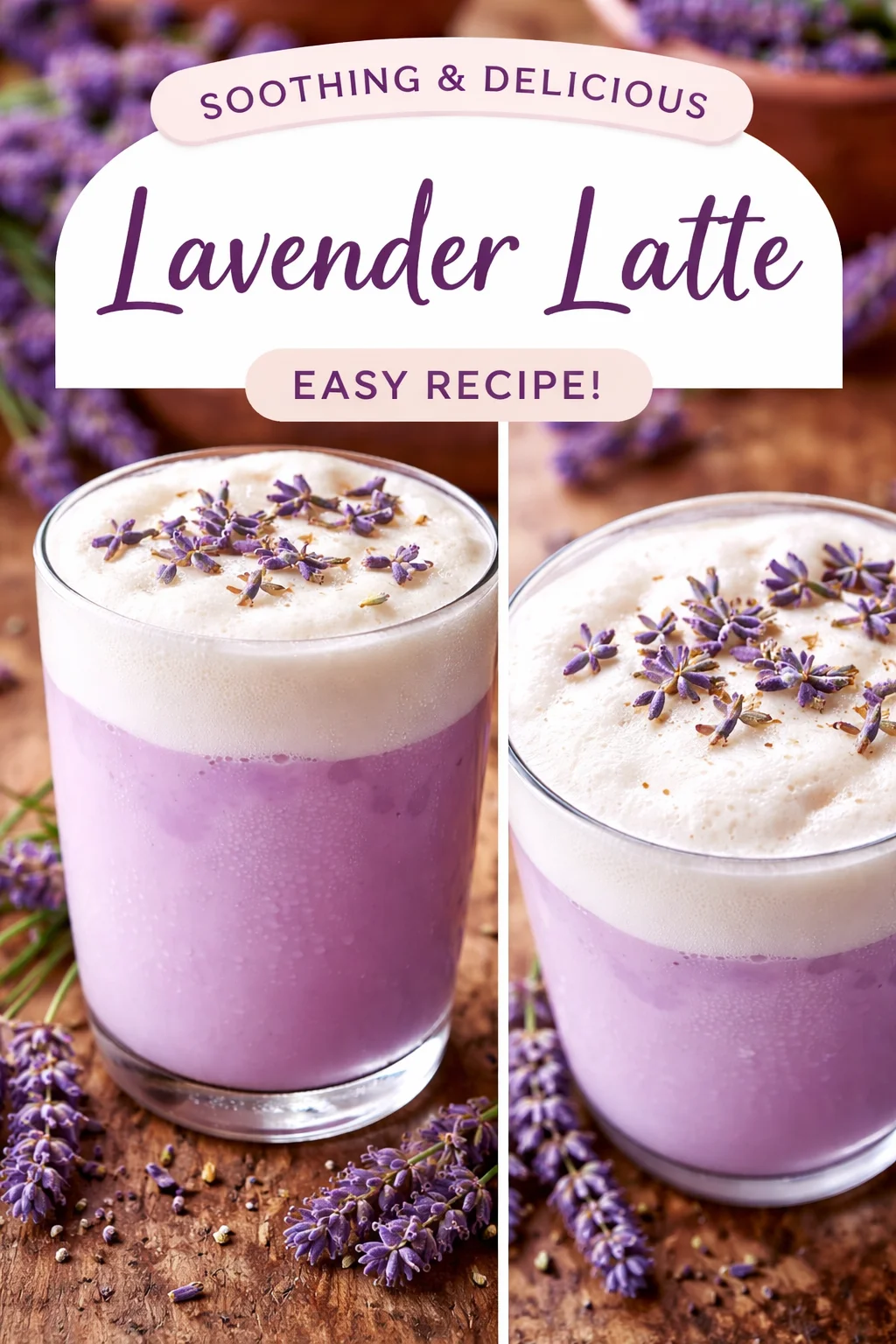
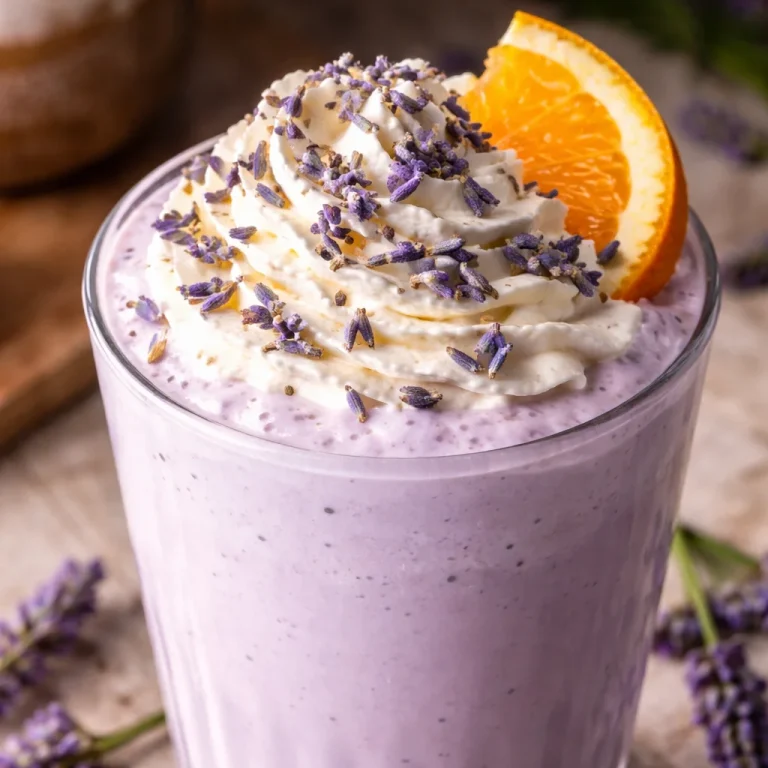
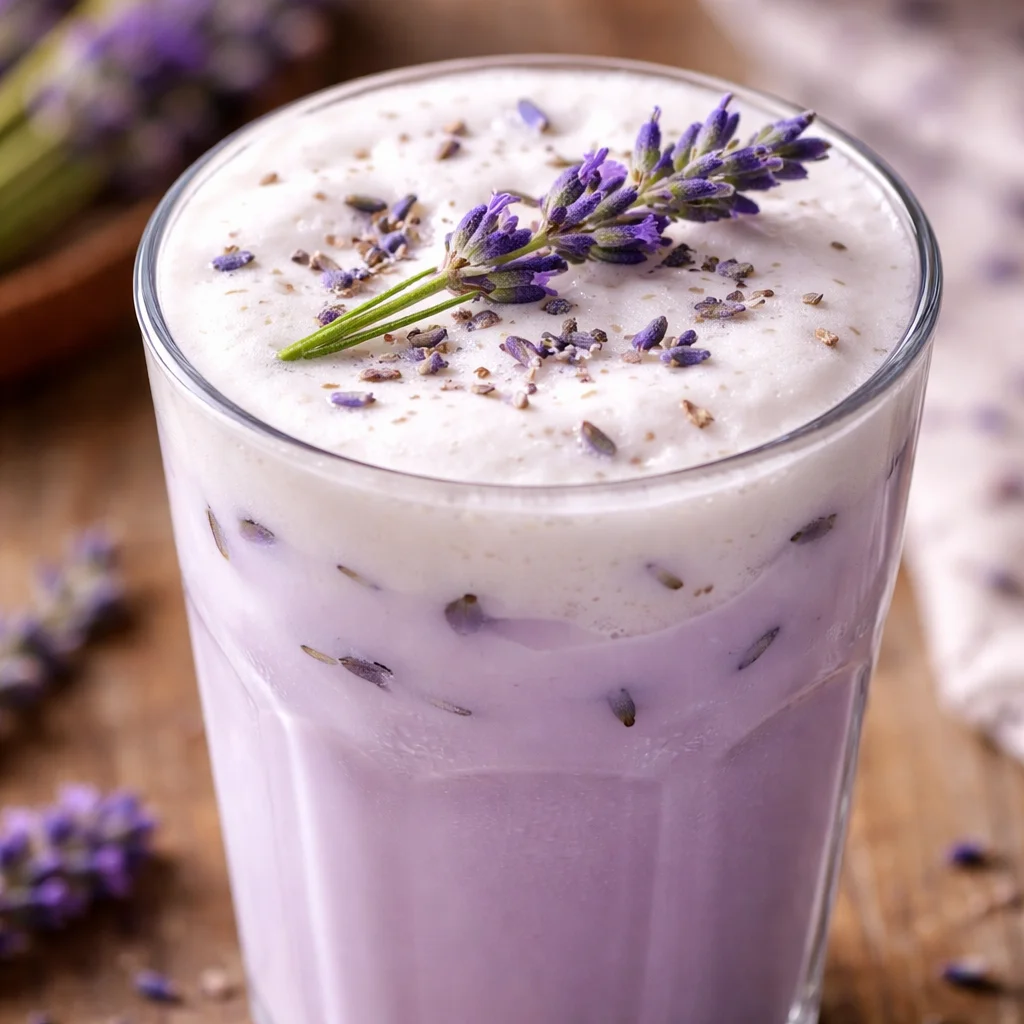
I first tried lavender milk tea on a rainy afternoon and immediately loved how the floral notes softened the milk’s richness. This gentle drink is simply steeped dried lavender blended with warm milk and a touch of sweetener — perfect for winding down, serving at a spring brunch, or turning into an iced refresher. If you want a deeper dive or variations later, check out our lavender milk tea guide for more ideas and inspiration.
Why you’ll love this dish
Lavender milk tea manages to feel both indulgent and approachable. It’s fast to make, requires only pantry-staple ingredients (if you keep dried lavender on hand), and is wonderfully adaptable — use cow’s milk, oat milk, or almond milk depending on diet or mood. Make it when you want a cozy single-cup treat, a novel drink for guests, or a calming bedtime beverage.
“Delicate, floral, and surprisingly comforting — a sip felt like a warm floral hug.” — a regular at my weekend tea tastings
This drink also pairs nicely with richer or umami-forward food when you want contrast; it can be a gentle foil to bold flavors like the one in this black garlic steak with umami miso butter and potatoes for a memorable meal balance.
Step-by-step overview
You’ll briefly steep dried lavender in boiling water, strain the infusion, heat milk (without boiling), then combine the two and sweeten to taste. The whole process takes about 10–12 minutes from start to finish and yields about 3–4 cups depending on serving size. Expect a lightly floral, creamy cup that can be enjoyed hot or chilled over ice.
What you’ll need
- 2 tbsp dried culinary lavender (culinary grade only)
- 2 cups water
- 2 cups milk (dairy, oat, almond, or your preferred milk)
- Honey or sugar, to taste (optional)
- A few drops vanilla extract (optional, for warmth and depth)
Notes and substitutions:
- If you prefer a stronger floral profile, increase lavender to 2.5 tbsp; use less if you’re cautious — lavender can become soapy when overused.
- Oat milk gives the creamiest mouthfeel for non-dairy options; almond milk will be lighter and nutty.
- If you want an even richer version, swap 1/2 cup milk for cream.
Step-by-step instructions
- Bring 2 cups of water to a rolling boil in a small pot or kettle.
- Remove from heat and add the 2 tablespoons of dried culinary lavender. Cover the pot and let steep for 5 minutes.
- While the lavender steeps, gently heat 2 cups of milk in a separate saucepan until it begins to steam. Do not let it boil — boiling can break the milk’s texture.
- Strain the lavender infusion through a fine-mesh sieve or cheesecloth into a pitcher. Press gently on the lavender to extract aroma but avoid forcing bitter oils.
- Pour the warm milk into the pitcher with the lavender tea and stir. Taste, then stir in honey or sugar to sweeten as desired. Add a few drops of vanilla extract if using.
- Serve immediately in cups for a hot drink, or let cool and refrigerate to serve over ice later.
Best ways to enjoy it
Serve this tea in ceramic cups for hot pours to retain temperature and enhance the soothing ritual. For iced versions, fill glasses with large ice cubes to minimize dilution. Lavender milk tea is a natural match for light, buttery pastries in the morning and also works as a calming finish to a heavier meal — try it alongside flaky biscuits for a comforting brunch. For a flaky companion, consider pairing with these flaky buttermilk biscuits for contrast.
Storage and reheating tips
- Refrigeration: Store leftover lavender milk tea in an airtight container in the fridge for up to 48 hours. Milk-based beverages lose freshness faster, so consume within two days.
- Reheating: Warm gently on the stovetop over low heat — do not boil. Reheating in short bursts in the microwave is fine, but stir between bursts to avoid hotspots.
- Freezing: I don’t recommend freezing milk tea; separation and texture degradation are likely once thawed.
- Food safety: Always keep milk-based drinks chilled below 40°F (4°C) and discard if left at room temperature for more than 2 hours.
Helpful cooking tips
- Use culinary-grade lavender only — ornamental lavender may be treated with pesticides or be too bitter.
- Control bitterness: If the infusion tastes slightly bitter, dilute with more warmed milk rather than steeping longer next time. Over-steeping releases bitter terpenes.
- Make it ahead: Brew a concentrated lavender infusion and refrigerate for up to 24 hours. When you want a drink, heat milk and combine.
- Sweetness balance: Start with a teaspoon of honey, taste, and add gradually. Honey accentuates floral notes differently than sugar — try both to see which you prefer.
For a sweet pairing idea that complements lavender’s floral notes, these milk chocolate pecan cookies are a delightful match.
Creative twists
- Iced lavender latte: Brew the lavender infusion stronger, combine with chilled milk, and serve over ice with a frothy top.
- Earl Grey + lavender: Add a teaspoon of Earl Grey tea to the lavender while steeping for a bergamot-floral hybrid; this is close to an Earl Grey lavender milkshake concept explored in recipes like the Earl Grey lavender milkshake.
- Lavender chai: Add a cinnamon stick and crushed cardamom pods to the steep for a spiced floral beverage.
- Boozy nightcap: Stir a splash of gin or lavender liqueur into an iced version for an adult cocktail.
Common questions
Q: Can I use fresh lavender instead of dried?
A: Yes, but fresh lavender is more delicate. Use about 3 tbsp lightly packed fresh flowers for 2 tbsp dried. Make sure they’re culinary grade and pesticide-free.
Q: How long should I steep lavender to avoid bitterness?
A: Keep the steep to about 5 minutes. Over-steeping (beyond 8–10 minutes) can release bitter notes; if you want stronger flavor, increase the lavender slightly rather than steep time.
Q: Is it safe to give lavender milk tea to kids?
A: In small amounts (moderate serving, lightly sweetened), culinary lavender is generally safe for children. Avoid giving large, concentrated herbal infusions to very young children and consult a pediatrician if unsure.
Q: Can I make this vegan?
A: Absolutely. Use any plant-based milk like oat, soy, or almond and sweeten with maple syrup or sugar.
Q: What’s the best way to sweeten without overpowering the floral flavor?
A: Honey, light maple syrup, or a small amount of cane sugar are ideal. Start with a teaspoon per cup and adjust.
Conclusion
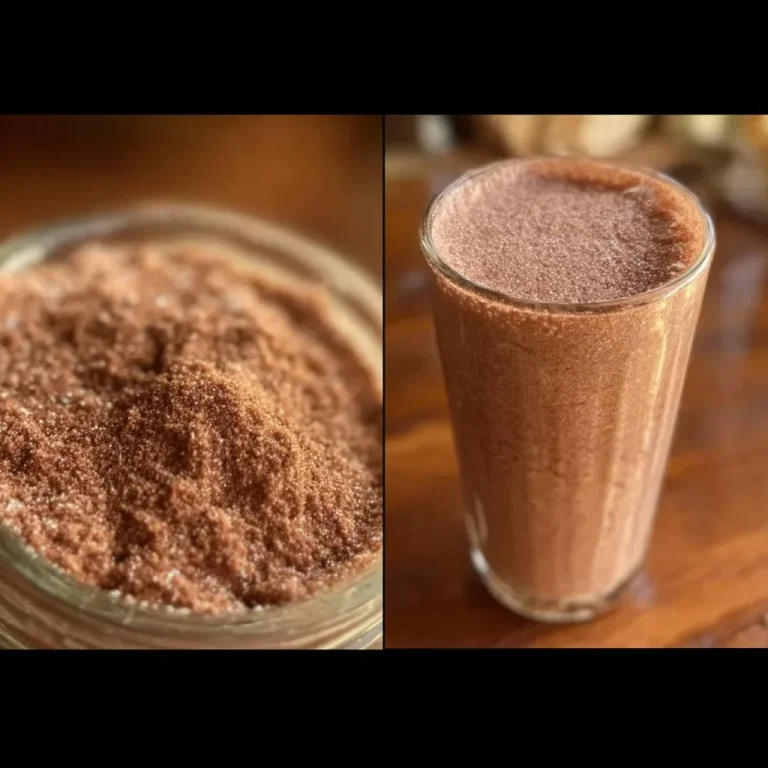
If you’d like a ready-made option to experiment with lavender-flavored beverages, consider Lavender Milk Tea Powder 14 Oz (400 g), (1 PACK) – Amazon.com for convenience and comparison. For a traditional approach and more background on classic recipes, this Traditional Lavender Milk Tea – West Coast Kitchen Garden page offers a lovely historical perspective and method variations.
Lavender Milk Tea
Ingredients
For the tea infusion
- 2 tablespoons dried culinary lavender Use culinary-grade lavender only.
- 2 cups water Bring to a rolling boil.
For the milk mixture
- 2 cups milk (dairy or plant-based) Can use cow's milk, oat milk, or almond milk.
- 1 to taste Honey or sugar Sweeten according to preference.
- a few drops vanilla extract Optional, for warmth and depth.
Instructions
Preparation
- Bring 2 cups of water to a rolling boil in a small pot or kettle.
- Remove from heat and add the 2 tablespoons of dried culinary lavender. Cover and let steep for 5 minutes.
- While the lavender steeps, gently heat 2 cups of milk in a separate saucepan until it begins to steam. Do not let it boil.
- Strain the lavender infusion through a fine mesh sieve or cheesecloth into a pitcher.
- Pour the warm milk into the pitcher with the lavender tea and stir. Sweeten with honey or sugar to taste and add vanilla extract if desired.
- Serve immediately for a hot drink, or refrigerate to enjoy chilled later.